
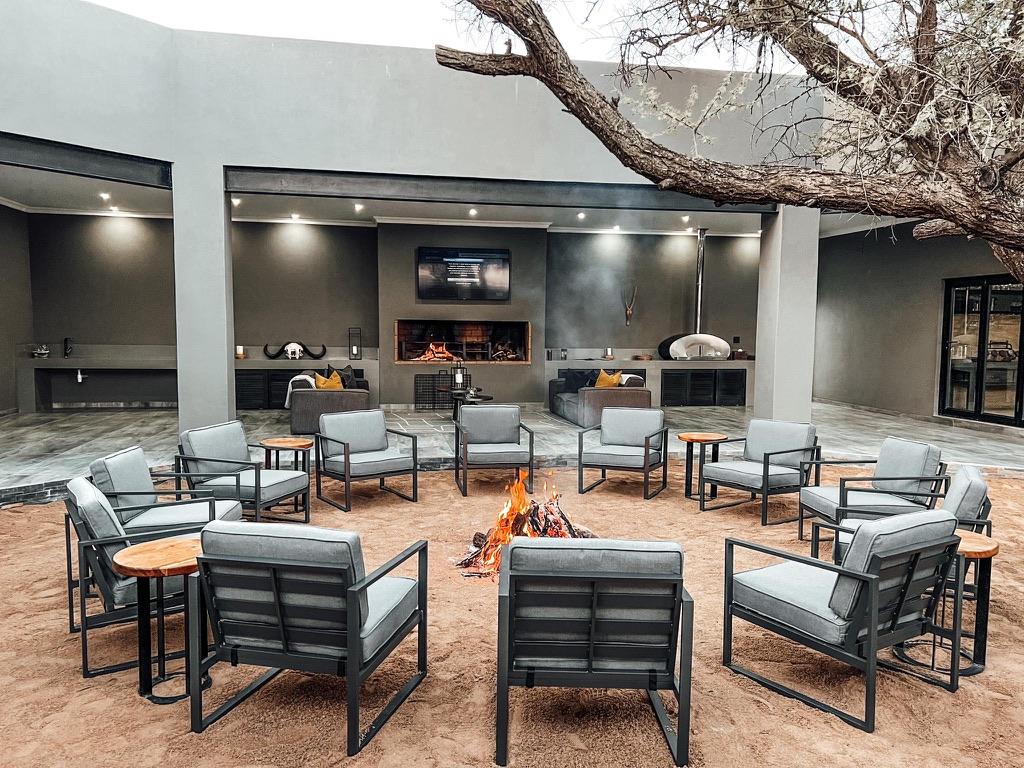
As an American hunter planning a premier African safari, you deserve an experience that blends flawless logistics with authentic wildlife encounters. At Global Hunting Solutions, we don’t just sell trips—we personally guide and manage them from start to finish. Our mission is to deliver a seamless, responsible, and unforgettable adventure where luxury meets adventure. In this African safari tipping guide, I’ll share practical insights drawn from years of hands-on management, fieldwork, and client feedback to help you plan with confidence.
Why tipping matters on an African safari
Tipping is not simply gratuity; it’s a meaningful acknowledgment of the care and expertise that go into every facet of a safari. The level of service you experience—from guides and trackers to lodge staff and cooks—depends heavily on their hard work, skill, and the personalized attention you receive. A thoughtful tip supports local staff, reinforces excellent service standards, and helps sustain the high-quality experiences that define premium hunting safaris. That said, a well-considered tipping plan should reflect local customs, the level of service provided, and your overall experience.
Who to tip and when
In our experience managing complete safaris, the primary tipping targets are:
- Professional hunting guide and skinner (and any assistant guides or trackers)
- Spotter or gun bearer when applicable
- Camp staff (butlers, housekeepers, cooks)
- Host lodge team (manager, waiter staff, bartenders) if staying at a fixed lodge or camp
- Rifle maintenance and safety support (armorers or field technicians) if provided as part of your outfit
- Transfers and logistics crew who handle baggage, airport support, and vehicle drivers
Typically, tipping decisions are made at the conclusion of your stay or in two installments during your safari, depending on your host camp’s norms. In our practice, we follow a transparent approach: discuss expectations early, confirm who is eligible, and ensure funds are discreetly delivered in a respectful manner. Never assume a standard amount—adjust for the scale of service, the duration of your stay, and the particular level of expertise demonstrated by the team.
How Global Hunting Solutions handles tipping as a planning element
From the moment you inquire, we map out a practical tipping framework aligned with your itinerary. We align with local guides and camps that share our ethos of responsible hunting and hospitality. Our approach is to:
- Provide a clear, consolidated tipping plan in writing as part of your trip dossier
- Offer suggested ranges tailored to the destination, camp type, and duration
- Explain what each staff category typically receives and how to present tips respectfully
- Coordinate tip delivery through a designated point of contact at the end of your stay, ensuring discretion and transparency
By embedding tipping guidance in the planning phase, we minimize guesswork in the field and ensure you can focus on the hunt, the landscape, and the experience—Where Luxury Meets Adventure.
Practical budgeting and planning considerations
Angling for a premium African hunting safari requires thoughtful budgeting. While I won’t quote prices here, I can outline practical considerations to help you plan a realistic tipping envelope and overall expenses:
- Duration and intensity: Longer hunts or higher-intensity days (including multiple standoff opportunities or coastal excursions) typically justify greater tipping due to the extended service hours and skill required.
- Camp type: A remote, rigidly guided camp with private guides may entail higher tipping expectations for the personal attention you receive, whereas a larger lodge with consistent staff teams may distribute gratuity across a broader base.
- Species and trophy quality: Ethically conducted hunts that demand meticulous tracking, safety protocols, and conservation-minded practices deserve corresponding recognition through tipping.
- Non-hunting components: Meals, field transport, and camp amenities are integral to the experience and are often supported by staff who contribute to your comfort and safety.
We encourage our clients to allocate a dedicated tipping fund within their overall trip budget, separate from the hunting license fees, costs of accommodations, and gear. This helps maintain clarity and ensures appreciation is properly distributed.
Practical guidelines for tipping in different contexts
Guided hunting days
- For a dedicated professional hunting guide and a team of trackers, a combined gratuity in a mid-to-high range for a several-day hunt is common among premium safaris. Consider a per-day approach or a single consolidated amount at the end of the hunt, depending on the local custom and your overall satisfaction.
- If a separate rifle tech or safety support team is present, include a modest gesture for their service if they significantly contributed to safety and weapon handling.
Non-hunting staff at a camp or lodge
- Housekeeping and dining staff: many guests prefer a per-stay tip or a small, tip-sized contribution to a staff fund that benefits all team members after your departure.
- Camp manager or host: a thoughtful gift or contribution in line with the duration of your stay can be appropriate, especially if the host has gone above and beyond to tailor your experience.
Transfers and logistics
- Drivers, porters, and baggage handlers: modest, routine tips are often appreciated after each transfer segment. If service was particularly efficient or safety-conscious, you may increase the tip accordingly.
- Airport and check-in staff: in many regions, a small tip in cash at the conclusion of your stay demonstrates appreciation for smooth transitions and careful handling of gear.
Currency, timing, and presentation
We recommend handling tips in the local currency where feasible, ensuring accuracy and appreciation. If local currency is not convenient, cash in US dollars is commonly accepted in many camps, but always verify with your Global Hunting Solutions contact before departure. Present tips discreetly and respectfully—avoid wrapping gifts in a way that draws undue attention, and place tips in a small, sealed envelope when possible to maintain privacy for the recipient.
Timing matters. If you’re concluding a long sequence of days with impeccable service, consider delivering tips at a formal farewell moment with your guide or host. If you have multiple camps or a seamless multi-destination itinerary, we may arrange a single end-of-trip distribution to streamline the process while ensuring every team member is acknowledged fairly.
Ethical hunting, safety, and the tipping conversation
Premium hunting is as much about ethics and safety as it is about trophy quality. Our approach at Global Hunting Solutions emphasizes:
- Ethical kill practices: We prioritize fair chase, legal compliance, and fieldcraft that respects wildlife and habitat. The team’s proficiency in safety protocols and animal management is a core reason hunters choose us.
- Safety first: Our guides train meticulously in firearms handling, field safety, and risk mitigation. If you experience exceptional safety oversight, a larger tip may be appropriate to reflect that commitment.
- Responsible travel: We advocate for conservation-minded hunting, reputable land access, and partnerships with communities that benefit from wildlife stewardship.
Non-hunter considerations: travel partners, family, and guests
If you’re traveling with a non-hunting spouse or guests who will participate in lodge-based activities, you’ll find that tipping for hospitality staff often mirrors everyday travel etiquette. Consider including your non-hunting companions in the tipping discussion so everyone understands what to expect and how to participate in appreciation rituals without disrupting the flow of the safari. We can tailor itineraries that balance hunting days with downtime, spa experiences, guided photo safaris, or private game drives to ensure a well-rounded experience for all travelers.
Logistics for American hunters: planning with Global Hunting Solutions
From the initial inquiry to the moment you land back in the U.S., we oversee every detail that touches tipping and service quality. Here’s how we structure the experience to keep things simple and transparent:
- Pre-trip briefing: We outline tipping expectations, provide context for each staff category, and confirm any local customs that may influence gratuities.
- On-site coordination: Our team keeps you informed about who you’re tipping and when, and ensures tips are delivered respectfully and efficiently.
- Post-trip debrief: We review your tipping experience, answer questions, and adjust future recommendations based on your feedback and the quality of service you experienced.
We never guarantee hunting success, but we do guarantee meticulous planning, professional guides, and a steadfast commitment to your safety and satisfaction. Our ownership team personally conducts check-ins and stays involved throughout your journey, ensuring that your African safari aligns with our standard: Where Luxury Meets Adventure.
Sample scenarios: tipping in practice
Scenario A: A six-day classic safari in a private camp with one lead guide, two trackers, and full camp staff. At the end of day six, you present a consolidated tip package to your guide and camp host, with a note of appreciation for the staff who prepared meals, maintained equipment, and ensured comfort and safety. Scenario B: A multi-destination hunt spanning two camps and a private vehicle transfer. You allocate a separate tip for each camp’s guide teams, plus a small pool to recognize drivers and porters at each transition.
FAQ
- Is tipping mandatory? Tipping is not mandatory, but it is customary and appreciated for exceptional service. It reflects the value of the staff’s work and helps sustain high standards across lodges and camps.
- Should I tip in cash or via card? Cash is commonly preferred for on-site tipping in many regions. Check with your Global Hunting Solutions contact for destination-specific guidance. Packing cash for tips should be discreet and secure.
- What if I am unhappy with service? Communicate respectfully with your host and guide. Our team is committed to addressing concerns in real time and ensuring your experience remains aligned with your expectations.
- How do tipping expectations vary by destination? Tipping norms vary by country and camp type. We provide destination-specific guidance in your trip dossier to keep expectations clear and culturally appropriate.
- Can tipping influence future availability or service? We believe service quality is linked to a culture of appreciation, but we never tie tips to guaranteed outcomes. Our focus remains on delivering the best possible experience within ethical and legal guidelines.
Closing: entrusting your experience to Global Hunting Solutions
As owners who personally guide and manage every step of the journey, we know the difference a thoughtful tipping plan can make. It’s not just about rewarding hard work; it’s a cornerstone of sustainable hospitality, conservation-minded hunting, and respectful engagement with local communities. Our commitment is to deliver a refined, authentic experience that honors the land, wildlife, and people who make an African safari extraordinary.
If you’re considering an expedition where luxury meets adventure, and you want a transparent, hands-on partner to plan and execute every detail—including a practical, context-sensitive African safari tipping guide—reach out to Global Hunting Solutions. We invite you to contact us to begin shaping your premier hunting and travel experience today.