
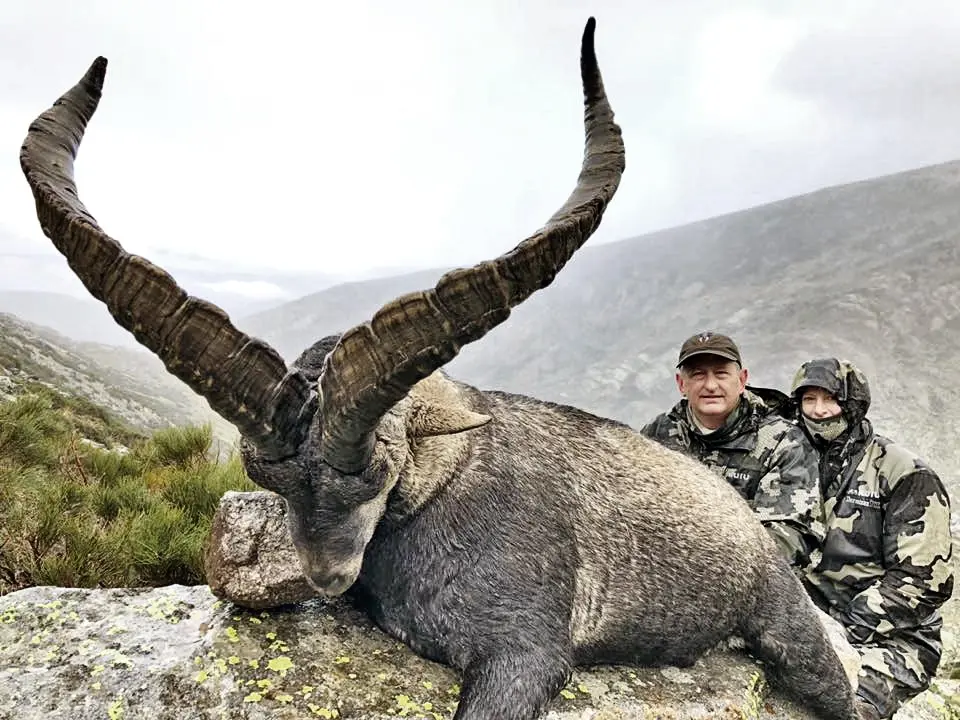
Quick Summary / Key Takeaways
If you only remember 5 things from this guide, make it these:
- The Spanish Ibex Grand Slam involves ethically hunting all four distinct Spanish ibex subspecies within Spain’s regulated mountain regions, ensuring adherence to local hunting laws and quotas.
- Success depends on meticulous planning, understanding subspecies-specific habitats, and partnering with licensed, conservation-minded professional guides to ensure ethical execution.
- Sustainable hunting practices and conservation efforts play a vital role in the Grand Slam, contributing to the long-term protection and population health of these iconic animals.
- Prepare for a physically and mentally demanding hunt in rugged, varied terrain, with each hunt requiring preparation for elevation, changing altitudes, and challenging stalks.
- This pursuit offers a legacy experience for serious hunters, grounded in skillful execution, respect for Spain’s wildlife management systems, and a deep engagement with local conservation efforts.
Introduction
The Spanish Ibex Grand Slam represents a challenging and ethical pursuit for experienced hunters, conducted within Spain’s regulated mountain hunting framework. It involves ethically pursuing all four distinct subspecies of Spanish ibex across Spain’s rugged mountain ranges, including the high peaks of Gredos and the rugged, steep terrain of Beceite’s coastal mountains. This pursuit focuses on the ethical engagement with Spain’s diverse landscapes and sustainable wildlife management systems, emphasizing conservation and skillful execution.
The pursuit of the Spanish Ibex Grand Slam requires disciplined execution, precision, patience, and a deep respect for ethical harvest practices and habitat stewardship. Each subspecies presents terrain-specific challenges, from the high alpine environments of Gredos to the rugged, challenging terrain of Beceite. Hunters must adjust their approach to the challenging terrain, varying elevations, and changing weather conditions throughout the hunt.
This pursuit is typically structured across multiple hunts or a carefully planned extended itinerary, requiring collaboration with experienced, licensed guides who specialize in each region to ensure lawful, safe, and ethical execution. This is rigorous mountain hunting in Spain, demanding physical preparation, heightened situational awareness, and disciplined, ethical decision-making at every step.
Spanish Ibex Subspecies Overview
| Subspecies | Primary Region | Key Characteristics | Terrain |
|---|---|---|---|
| Gredos | Central Spain (Gredos Mountains) | Heaviest-bodied mountain ibex, adapted to high-altitude environments | High-altitude rocky peaks and open slopes |
| Beceite | Eastern Spain (Maestrazgo, Ports de Beseit) | Darker coat, horns adapted for steep, rugged terrain | Steep limestone cliffs and dense scrub |
| Ronda | Southern Spain (Ronda Mountains) | Smallest subspecies, well-suited to dense Mediterranean forests | Lower-elevation rocky outcrops and Mediterranean forest |
| Southeastern | Southern Spain (Sierra Nevada, Muela de Cortes) | Compact body, horns suitable for arid mountainous regions | Arid mountains, pine forests, and deep canyons |
Grand Slam Planning & Logistics
| Aspect | Key Consideration | Impact on Hunt | Expert Tip |
|---|---|---|---|
| Physical Fitness | Endurance for steep climbs | Direct correlation to success and safety | Train with a weighted pack on varied inclines, targeting altitudes and terrain specific to your hunt, ensuring stamina and mobility. |
| Outfitter Selection | Expertise, ethics, local knowledge | Defines hunt quality, ethical standards, and legal compliance | Choose experienced guides with demonstrated conservation expertise and a strong understanding of regional ecosystems. |
| Permits & Tags | Specific to each region and subspecies | Legal access and allocation of quota | Secure permits well in advance through your outfitter to ensure efficient quota management and avoid logistical delays. |
| Seasonality | Breeding cycles, weather patterns, ibex behavior | Optimizes success rates and comfort | Consult outfitter for region-specific optimal dates, adjusting for each subspecies’ seasonal patterns and terrain conditions. |
Pre-Safari Preparation for Spanish Ibex Grand Slam
- Confirm all region-specific hunting permits, ibex subspecies tags, and provincial approvals are secured through your GHS-coordinated itinerary well in advance.
- Thoroughly research and select a licensed, concession-holding outfitter operating within Spain’s regulated mountain hunting framework with proven ethical practices.
- Begin a structured physical conditioning program focusing on steep elevation gain, uneven footing, and sustained mountain endurance.
- Verify all travel logistics, including international and in-country transfers aligned to the Spanish Ibex Grand Slam itinerary, accommodations, and firearm permits or approved rifle rental.
Post-Arrival Checklist for Spanish Ibex Hunt
- Confirm field trophy handling, documentation, and export coordination managed through GHS and licensed Spanish partners.
- Complete CITES, veterinary, and export/import documentation as required for lawful return to your home country.
- Share your hunting experience and photos with discretion and respect for ethical, conservation-aligned hunting standards.
- Plan future conservation-aligned return hunts or extended itineraries within Spain or other GHS destinations.
What Does the Spanish Ibex Grand Slam Cost? GHS 2027 Prices
At Global Hunting Solutions’ 2027 fixed prices, the four private-land ibex hunts of the Spanish Ibex Grand Slam total $66,600: Gredos $23,200, Beceite $17,700, Southeastern $13,200 and Ronda $12,500. Hunters targeting specific trophy scores can choose the CIC-point option for any ibex instead.
| Ibex | Fixed price (2027 USD) | CIC-point option |
|---|---|---|
| Gredos | $23,200 | $17,900 base + per-point charge above 205 CIC points + 21% VAT |
| Beceite | $17,700 | $11,900 base + per-point charge above 205 CIC points + 21% VAT |
| Southeastern | $13,200 | $9,500 base + per-point charge above 175 CIC points + 21% VAT |
| Ronda | $12,500 | $9,500 base + per-point charge above 165 CIC points + 21% VAT |
| All four | $66,600 | Depends on final scores |
Fixed prices carry no CIC-point surcharges; VAT on fixed-price hunts varies by region and is confirmed in your quote. Budget separately for the Spain daily rate ($870 per hunter per day), hunting licences ($550 per province), rifle hire ($75 per day) and a $550 daily rate for any non-hunting observer. All skins must be tanned in Spain before shipping to the United States.
All prices are 2027 rates in U.S. dollars and subject to change. See the full GHS 2027 hunting prices, or talk to us about planning your Grand Slam.
Table of Contents
SECTION 1: UNDERSTANDING THE GRAND SLAM
- What exactly defines the Spanish Ibex Grand Slam?
- Which four ibex subspecies are part of the Grand Slam?
- Why is the Grand Slam considered a premier hunting achievement?
SECTION 2: PLANNING YOUR IBEX HUNT
- What is the best time of year to pursue the Spanish Ibex Grand Slam?
- What physical preparation is necessary for these hunts?
- How do you choose an ethical outfitter for big game hunting in Spain?
- What permits and licenses are required for hunting ibex in Spain?
SECTION 3: THE FOUR SUBSPECIES
- Where can you hunt the Gredos Ibex?
- What makes the Beceite Ibex hunt unique?
- How does the Ronda Ibex differ from other subspecies?
- What are the characteristics of the Southeastern Ibex habitat?
SECTION 4: LOGISTICS AND ETHICS
- What is the typical duration for completing the Spanish Ibex Grand Slam?
- How do conservation efforts integrate with trophy hunting in Spain?
- What gear is essential for a successful ibex hunt?
- What are the ethical considerations for pursuing the Grand Slam?
Frequently Asked Questions
SECTION: UNDERSTANDING THE SPANISH IBEX GRAND SLAM
What exactly defines the Spanish Ibex Grand Slam?
The Spanish Ibex Grand Slam is the ethical, regulated completion of all four distinct Spanish ibex subspecies, Gredos, Beceite, Ronda, and Southeastern, harvested within Spain’s licensed mountain hunting system. Each subspecies is pursued in its native range under region-specific quotas and conservation oversight, demanding disciplined planning, physical preparation, and subspecies-specific field execution. Completing the Grand Slam signifies a hunter’s operational competence, physical readiness, and commitment to Spain’s ethical, conservation-driven wildlife management practices, not just speed or volume of harvest.
Takeaway: Organize a structured, multi-region hunting program, aligned with Spain’s subspecies quotas, terrain challenges, and ethical standards, to responsibly harvest all four Spanish ibex subspecies.
Back to Table of Contents
Which four ibex subspecies are part of the Spanish Ibex Grand Slam?
The four ibex subspecies required for the Spanish Ibex Grand Slam are the Gredos Ibex, Beceite Ibex, Ronda Ibex, and Southeastern Ibex. Each subspecies inhabits a distinct, region-specific mountain range within Spain, presenting subspecies-driven terrain, elevation, and access challenges. Completing the Grand Slam requires planned travel across multiple regulated hunting regions to pursue each subspecies within its native range under quota-based oversight. Understanding subspecies behavior, terrain use, and regional conditions is essential for lawful, ethical, and effective execution.
Takeaway: Structure your hunting itinerary to pursue the Gredos, Beceite, Ronda, and Southeastern ibex within their native regions, aligning travel, timing, and execution with subspecies-specific terrain and regulatory requirements.
Back to Table of Contents
Why is the Spanish Ibex Grand Slam considered a premier hunting achievement?
The Spanish Ibex Grand Slam is recognized as one of the most prestigious hunting accomplishments due to the challenge of ethically harvesting all four distinct subspecies—Gredos, Beceite, Southeastern, and Ronda—each with unique characteristics, habitats, and horn formations. Achieving the Grand Slam demands more than technical skill; it requires exceptional physical endurance, advanced fieldcraft, and precise logistical coordination to navigate Spain’s rugged, high-altitude terrain and adapt to the unpredictable weather conditions of each subspecies’ habitat.
This pursuit is immersive, combining challenging “spot-and-stalk” mountain hunting with Spain’s rich cultural, geographical, and gastronomic diversity. The Grand Slam is a true test of a hunter’s physical preparation, ethical commitment, and dedication to conservation. Upon completion, hunters earn official recognition through the APTCE diploma and the “300 Award” from Safari Club International for those accumulating 300 or more SCI points.
Key reasons for its premier status include:
- Four Unique Subspecies: Pursue the lyre-shaped Gredos, the large-horned Beceite, the steep-dwelling Ronda, and the Southeastern ibex, all exclusive to the Iberian Peninsula.
- The “All-in-One” Experience: A well-planned 10-12 day expedition, efficiently offering an immersive opportunity to complete the Grand Slam.
- Challenging Terrain and Ethics: Hunts occur in rugged mountain ranges like Sierra de Gredos and Sierra Nevada, demanding physical endurance, ethical execution, and deep environmental respect.
- Cultural Immersion: The journey includes luxury experiences, with visits to historical cities like Madrid and Granada, and the opportunity to savor local gastronomy.
Completing the Spanish Ibex Grand Slam is a testament to a hunter’s skill, resilience, and ethical standards, offering the reward of not only the trophies but also the authentic experience, a true legacy achievement in mountain big-game hunting.
Takeaway: Approach the Spanish Ibex Grand Slam as a rigorous test of skill, endurance, and ethical decision-making, focusing on your commitment to conservation and responsible hunting practices, rather than merely the collection of trophies.
SECTION: PLANNING YOUR IBEX HUNT
What is the best time of year to pursue the Spanish Ibex Grand Slam?
The optimal time for pursuing the Spanish Ibex Grand Slam spans October to May, with each subspecies having specific peak seasons. The rut, occurring from November to mid-December, offers ideal conditions for targeting the Gredos and Beceite ibex. Spring hunts, from March to May, are typically preferred for Ronda and Southeastern ibex, offering more favorable weather conditions and better visibility. Work with your outfitter to ensure your hunting schedule aligns with the optimal conditions for each subspecies.
Takeaway: Schedule your Grand Slam hunt during the rut (Nov-Dec) for Gredos/Beceite and spring (Mar-May) for Ronda/Southeastern ibex to ensure optimal conditions for each subspecies.
Back to Table of Contents
What physical preparation is necessary for these hunts?
Physical preparation for the Spanish Ibex Grand Slam requires disciplined cardiovascular conditioning and mountain-specific endurance conditioning, particularly in the legs and core. Hunts take place across steep, rocky, often high-altitude mountain terrain, requiring sustained climbs, uneven footing, and controlled stalk execution rather than short bursts of effort. Training should prioritize hiking with a weighted pack, sustained elevation gain, stair climbing, and functional strength work well in advance of arrival. Proper conditioning directly supports safe movement, pace control, steady decision-making, and ethical shot execution under physically demanding conditions.
Takeaway: Commit to mountain-focused conditioning, weighted hikes, sustained climbs, and functional strength training, aligned to the elevation and terrain demands of the Spanish Ibex Grand Slam to support safety, endurance, and ethical field execution.
Back to Table of Contents
How do you choose an ethical outfitter for big game hunting in Spain?
Choosing an ethical outfitter for big game hunting in Spain requires careful vetting of their reputation, conservation initiatives, and licensed operational structure within Spain’s regulated mountain hunting framework. Prioritize outfitters who adhere to fair chase principles, region-specific quota systems, and rigorous ethical standards. Confirm that their permits, licenses, and coordination with provincial wildlife authorities are up to date and that they actively contribute to documented habitat management and enforcement efforts. A reputable outfitter will provide clearly defined, region-specific itineraries aligned with subspecies quotas, ensuring that the hunt is conducted with respect for both the animals and their environment. Their commitment to ethical hunting practices supports a disciplined, conservation-aligned Spanish Ibex Grand Slam program.
Takeaway: Select an outfitter based on licensed concessions, quota governance, conservation integration, and transparent operational practices, supported by credible client experience.
Back to Table of Contents
What permits and licenses are required for hunting ibex in Spain?
Hunting ibex in Spain requires several specific permits and licenses, including a region-specific Spanish Hunting License, a Temporary Firearm Import Permit (TIP) if bringing your own rifle, mandatory hunting liability insurance, and subspecies-specific ibex hunting authorization. Hunters must also provide a valid passport, a copy of their home-country hunting or firearm license, and—depending on the autonomous community—a medical fitness certificate and landowner authorization letter. Because each ibex subspecies is hunted in a different autonomous region with its own regulatory authority, licensing and permit requirements vary by location. In practice, licensed Spanish outfitters manage the majority of this documentation, coordinating regional licenses, firearm permits, insurance, and hunt authorizations when provided with complete documents well in advance. Paperwork should be initiated months ahead of the hunt, particularly during peak ibex seasons, to ensure full legal compliance and uninterrupted field operations.
Takeaway: Work through a licensed Spanish outfitter to coordinate regional hunting licenses, ibex authorizations, firearm import permits, insurance, and supporting documentation, starting the process well in advance of your Spanish Ibex Grand Slam itinerary to ensure a compliant and efficient hunt.
SECTION: THE FOUR SUBSPECIES
Where can you hunt the Gredos Ibex?
The Gredos Ibex is found in the Sierra de Gredos mountain range, centrally located in Spain, spanning provinces such as Ávila, Salamanca, Cáceres, Madrid, and Toledo, all within proximity to Madrid. Hunting is conducted within government-managed reserves or private estates, with the hunting season typically running from September to May, reaching its peak during the rut (November to December), when ibex activity is most pronounced.
- Primary Region: The Sierra de Gredos, characterized by its rugged granite terrain and high-altitude environments, offers an ideal backdrop for targeting trophy-quality Gredos ibex.
- Best Time: The rut (November to December) provides the highest activity levels, but spring hunts (March to May) offer more stable weather and enhanced visibility.
- Method: Expect a physically demanding spot-and-stalk hunt requiring robust fitness to navigate steep, rocky terrain, including prolonged hikes and glassing.
- Logistics: Hunts are typically arranged as fully guided packages, which include licensed guides, accommodation, meals, transportation, and trophy preparation and export.
The Gredos Ibex is distinguished by its large lyre-shaped horns, making it one of the most coveted trophies for serious hunters. Pursuing the Gredos Ibex in the Sierra de Gredos offers a true mountain hunting experience, challenging your skill, endurance, and ethical commitment, all while immersed in Spain’s rugged landscapes, marked by a blend of rugged terrain and conservation-driven hunting practices.
Takeaway: Prepare for a demanding, rewarding challenge in the Sierra de Gredos, where rugged terrain and mountainous landscapes will test your skill and endurance. Pursue the iconic Gredos Ibex during the peak rut or the favorable spring season for the most optimal experience.
Back to Table of Contents
What makes the Beceite Ibex hunt unique?
The Beceite Ibex hunt stands out due to its combination of rugged Spanish limestone landscapes and a challenging mountain species known for its large, gracefully curved horns. In the Maestrazgo and Ports de Beceite mountains, dramatic cliffs, deep valleys, and Mediterranean scrub create a distinctive environment that demands both elevated glassing and precise stalk execution. Hunters employ vehicle-assisted spotting and spot-and-stalk techniques, requiring calm judgment and adaptability to various distances and terrain.
Beceite ibex are known for their large, thick horns that sweep forward and outward, a feature that sets them apart from other Spanish ibex subspecies. The terrain, while rugged, offers more accessible hunting conditions compared to other high-altitude hunts, allowing for tactical movement and effective field execution without extreme elevation changes. The weather in this region is less severe than in alpine zones, making it a favorable environment for hunters with varying fitness levels.
Rooted in local tradition and rigorously managed permit systems, this hunt is designed to support sustainable populations and ensure consistent trophy quality. The guiding experience centers around methodical spotting, disciplined stalking, and adherence to Spain’s wildlife management practices, all set against the backdrop of eastern Spain’s rich cultural heritage.
Takeaway: Prepare for a challenging yet accessible mountain hunt in rugged limestone and Mediterranean terrain, where spotting, tracking, and calculated stalking converge to pursue the distinctive Beceite Ibex.
Back to Table of Contents
How does the Ronda Ibex differ from other subspecies?
The Ronda Ibex stands apart from other Spanish subspecies not by terrain difficulty but by its rarity and unique physical traits. As the smallest of Spain’s four ibex types, it features a lighter coat, often with yellowish tones, and horns that distinguish it from the more open, lyre-shaped formations seen in the Gredos and Beceite ibex. The Ronda’s horns grow in a tight, V-shaped curve, reminiscent of the Alpine ibex, with minimal curl. Its habitat is confined to the Sierra de las Nieves region in southern Spain, where lower population density makes finding mature males a significant challenge. This subspecies demands a careful, patient approach—requiring focused field execution and tactical restraint. Within the Spanish Ibex Grand Slam, the Ronda represents a specialized, precision-driven hunt, where rarity and methodical selection overshadow mere size or volume.
Takeaway: Approach the Ronda Ibex as a hunt defined by rarity and restraint, where strategic selection, horn structure, and the challenge of its limited range dictate success more than the terrain itself.
Back to Table of Contents
What are the characteristics of the Southeastern Ibex habitat?
The Southeastern Ibex (Capra pyrenaica hispanica) thrives in the rugged, high-altitude mountain systems of southeastern Spain, where its habitat is shaped by steep relief, broken rock, and sparse vegetation. These ibex favor cliffs, exposed ridgelines, and abrupt outcrops, terrain that provides both natural security and tactical advantage. Vegetation is typically open Mediterranean scrub mixed with scattered woodland, including holm oak pockets and rocky slopes.
Populations are concentrated in ranges such as the Sierra Nevada, Sierra de las Nieves, and Sierra de Cazorla, where animals commonly operate above 800 meters and into exposed alpine zones. Activity is largely diurnal, with seasonal movement patterns that shift animals into lower, more protected cover during spring and more open ground during the rut, depending on weather and forage conditions.
Highly agile and terrain-dependent, the Southeastern Ibex relies on vertical ground, elevation, and escape terrain for survival, making this subspecies a study in precision movement and mountain adaptation rather than sheer size or density.
Takeaway: Prepare for a physically demanding pursuit in steep, rocky, and variable terrain when hunting the Southeastern Ibex, focusing on agility, stamina, and the ability to navigate the challenging landscapes they call home.
SECTION: LOGISTICS AND ETHICS
What is the typical duration for completing the Spanish Ibex Grand Slam?
The Spanish Ibex Grand Slam can be completed in a single, tightly coordinated 10–14-day expedition or deliberately phased across multiple trips over several years. A single expedition requires precise logistics, disciplined pacing, and efficient regional transitions, as each subspecies is pursued in a distinct geographic zone. A multi-year approach allows for greater flexibility around seasonal windows, reduced travel compression, and more deliberate focus on each subspecies’ terrain and conditions.
Given Spain’s regional licensing structure, terrain variation, and seasonal movement patterns, the itinerary is structured to balance physical demands, travel efficiency, and ethical execution, aligning subspecies order and timing with realistic field conditions rather than speed alone.
Takeaway: Choose between a fully integrated 10–14-day Grand Slam expedition or a measured, multi-season approach, depending on preferred pacing, conditioning, and timing, with itinerary structure driven by terrain, regulations, and ethical field execution.
Back to Table of Contents
How do conservation efforts integrate with trophy hunting in Spain?
In Spain, conservation and hunting are intertwined as part of a sustainable land management system. Regulated hunting, including the selective harvest of species like the Spanish ibex, funds habitat preservation, balances wildlife populations, and ensures the viability of large, protected areas that might otherwise struggle to remain economically sustainable. Revenues from licensed hunts directly support conservation efforts, including maintaining ecosystems where agriculture, forestry, and wildlife management intersect.
Hunting also serves a critical role in controlling species populations where densities exceed ecological thresholds. By managing populations, hunters help mitigate habitat degradation and food source depletion, while also providing meat and economic value to local communities. In some ibex regions, the harvest of older males—those beyond peak reproductive age—also benefits scavenger species like black vultures, offering ecological advantages that extend beyond the hunt.
Though the practice is vital, it is not without controversy. Ethical debates surrounding trophy hunting, especially concerning threatened species, continue to influence policy. In Spain, reforms are focused on refining data collection, enhancing quota accuracy, and ensuring hunting objectives align with measurable conservation goals rather than symbolic trophies.
The overarching approach supports science-driven, selective management that prioritizes ecosystem health, supports local communities, and holds hunters accountable. Rather than advocating for a ban, the focus is on strict regulation, transparency, and ensuring hunting contributes meaningfully to conservation.
Takeaway: In Spain, regulated hunting operates as a key tool for habitat preservation, wildlife population management, and rural conservation when carried out within strict, scientifically-backed regulations and ethical standards.
Back to Table of Contents
What gear is essential for a successful Spanish ibex hunt?
When pursuing the Spanish Ibex, specialized mountain gear is crucial to tackle the challenging terrain and shifting weather conditions. The hunt requires a reliable rifle, high-quality optics, sturdy boots, and a versatile layering system. While some outfitters provide rifles, be prepared for shots that range between 100 and 400 yards, requiring a rifle in calibers like .270 Win, 7mm, or .300 WM.
For optics, high-performance binoculars (10×40, 10×42, or 10×50) are essential for long-distance spotting, and a rangefinder is critical for precise shots in steep terrain. Many guides will provide spotting scopes, but it’s recommended to carry a lightweight, foldable tripod for more flexible use.
Sturdy, waterproof boots with strong ankle support are foundational, ensuring stability across rocky, uneven terrain. Be sure to break them in before your hunt to avoid discomfort. Layering your clothing system is key—start with moisture-wicking base layers, then add breathable fleece or wool insulation, and finish with waterproof rain gear (jackets and pants) to adapt to changing weather.
Gaiters will protect your boots from debris and moisture, especially in snow, while gloves and a warm hat are necessary for colder, higher altitudes. Stick to neutral or camo colors like tan, green, or grey to blend into the environment.
Your daypack should be around 30-35 liters to carry essentials like water, food, and extra clothing. Trekking poles are advisable for extra stability, and a headlamp will help for early starts or late returns. Sun protection is vital at higher elevations, so don’t forget sunscreen and lip balm.
For those bringing firearms, ensure your rifle is zeroed for long-range shots—around 200–250 meters (220–270 yards)—and carry necessary accessories such as a hard case for travel, a soft case for field use, a sling, and a bipod or shooting sticks. If you’re bowhunting, ensure you have a quiver-mounted bow, extra arrows, and broadheads, along with a rangefinder.
Lastly, make sure all permits, including your passport, hunting license, and firearm import documentation, are in order before your trip.
Takeaway: Prepare with a versatile, well-equipped setup, prioritizing reliable optics, durable boots, layered clothing, and a dependable rifle. Anticipate varied conditions and challenging terrain, ensuring you’re ready for any situation that arises during your Spanish Ibex hunt.
Back to Table of Contents
What are the ethical considerations for pursuing the Spanish Ibex Grand Slam?
Ibex Grand Slam? Ethical considerations for pursuing the Spanish Ibex Grand Slam are grounded in fair chase principles, respect for the animal, and adherence to local regulations. A successful hunt demands a clean, humane shot, avoiding unnecessary pressure on the animal. Always respect private property, follow the guide’s direction, and immerse yourself in the local hunting traditions. Ethical hunters prioritize sustainability, choosing outfitters who contribute actively to conservation efforts and habitat preservation. This commitment transforms the hunt into more than a trophy pursuit; it becomes a responsible and impactful conservation effort.
Takeaway: Uphold fair chase principles, prioritize a humane harvest, respect local regulations, and support conservation efforts to ensure a responsible and ethical Spanish Ibex Grand Slam experience.
Plan Your Spanish Ibex Hunt
Explore our Spain ibex hunts and Grand Slam options with Global Hunting Solutions and 4 Aces Outfitters Spain. Tell us which ibex you want to pursue, your preferred dates, and whether a partner will be joining you.