
Introduction
Planning an African hunting safari often starts with one question: Should you hunt plains game or dangerous game? The straight answer: neither is better. Plains game and dangerous game suit different hunters at different points in their African journeys. This guide compares both hunting styles so you can decide which safari best fits your experience, budget, and goals, and whether a combination safari gives you the right balance of variety and intensity.
What Is Plains Game Hunting in Africa?
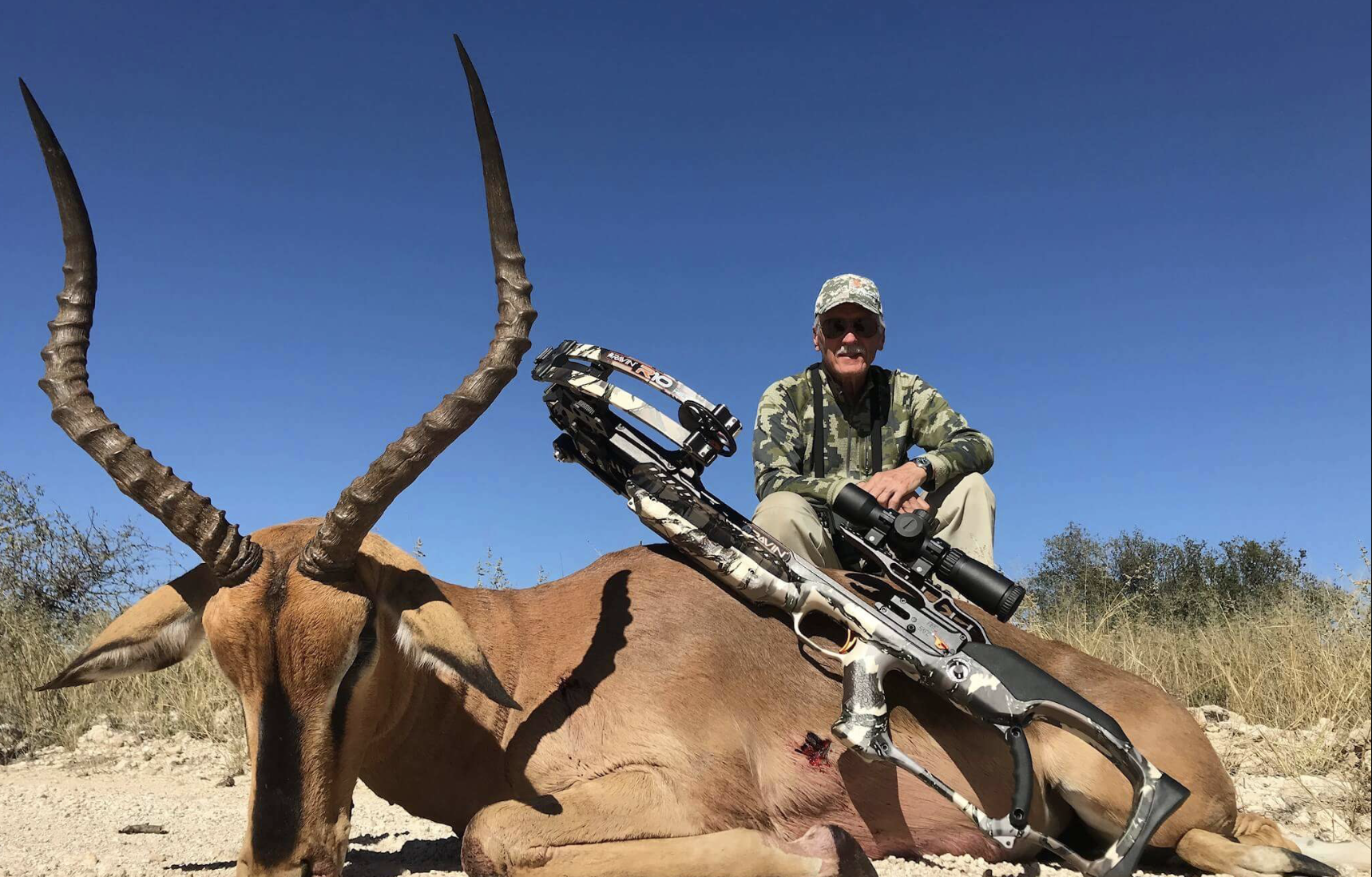
Plains game hunting is the foundation of South African hunting and the starting point for most international hunters visiting the country. The term refers to non-dangerous game species, primarily antelope, zebra, warthog, and other animals that inhabit South Africa’s grasslands, bushveld, and savannas. While these animals are not classified as dangerous game, they are by no means easy to hunt. Success still depends on good marksmanship, careful stalking, and the ability to read both the terrain and the animal’s behavior.
South Africa offers more than 30 huntable plains game species, giving hunters an impressive variety of hunting opportunities during a single safari. Rather than focusing on one animal, many visitors choose to pursue several species over the course of a week or more. This diversity is one of the reasons plains game hunting in South Africa remains the backbone of many African hunting safari plans.
Popular plains game species include:
- Kudu
- Impala
- Gemsbok
- Blue wildebeest
- Sable
- Eland
- Springbok
- Zebra
- Warthog
Each species presents a different challenge. Kudus are known for disappearing into thick bush with little warning, while gemsbok are exceptionally hardy and can cover long distances after the shot if not placed correctly. Blue wildebeest have earned the nickname “poor man’s buffalo” because of their toughness, and springbok demand accurate shooting at longer ranges across open country.
The variety also allows hunters to tailor their safari around personal goals. Some come looking for classic spiral-horned antelope such as kudu and eland, while others want a mixed safari built around several iconic African species. Premium species like sable can also be added to a plains game safari for hunters seeking something more challenging.
Most plains game are effectively hunted with rifles in the .270 to .30 caliber range. Cartridges such as the .270 Winchester, .308 Winchester, and .30-06 Springfield have earned an excellent reputation across Africa when paired with quality bullets and good shot placement. They offer enough power for the vast majority of plains game species while remaining comfortable for most hunters to shoot accurately.
A typical day usually involves driving between hunting areas before continuing on foot. Hunters spend time glassing hillsides, tracking fresh signs, and using spot-and-stalk techniques to close the distance before taking a shot. Depending on the species and terrain, shots may range from under 100 yards in thick bushveld to more than 250 yards across open plains.
For first-time visitors, plains game offers an ideal introduction to African hunting. It allows hunters to experience different habitats, pursue multiple species, and become familiar with African hunting methods without the added pressure that comes with dangerous game.
What Is Dangerous Game Hunting in Africa?
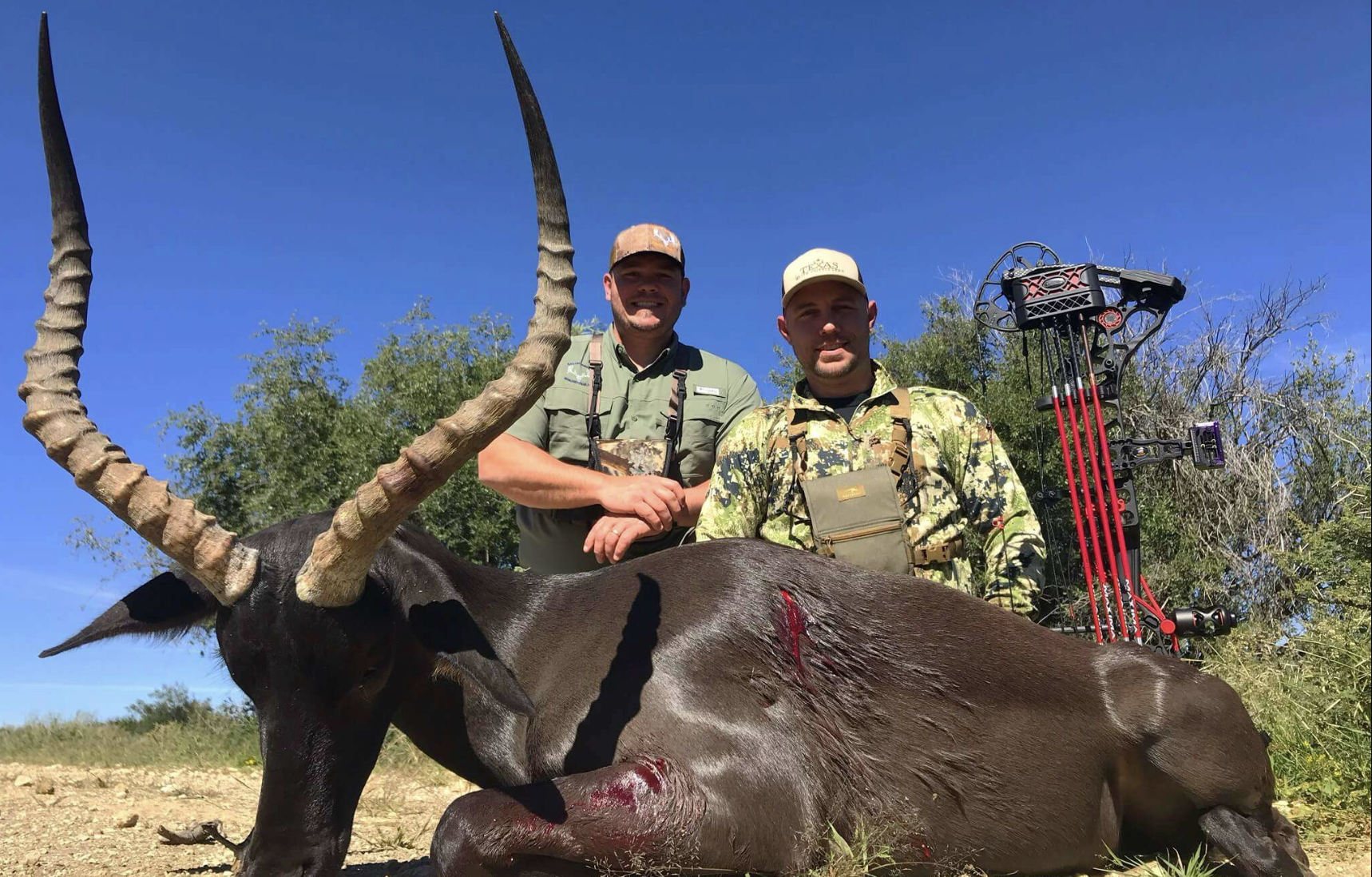
Dangerous game hunting is a higher-stakes experience. Instead of pursuing animals that typically flee from danger, hunters are following species capable of standing their ground, charging, and causing serious injury or death if they are wounded. Every decision, from rifle selection to shot placement, is made with safety in mind.
Africa’s Dangerous Seven include:
- Elephant
- Rhinoceros
- Cape buffalo
- Lion
- Leopard
- Crocodile
- Hippopotamus
Among these animals, the Cape buffalo is by far the most common dangerous game species pursued in South Africa. It is also considered the most accessible and budget-friendly entry point into dangerous game hunting in Africa, making it the species many hunters choose when they’re ready to take the next step beyond plains game. For hunters comparing buffalo against plains game, the [Cape Buffalo page] gives a closer look at what makes this hunt different.
Cape buffalo have earned a reputation for good reason. Mature bulls are exceptionally tough, possess remarkable stamina, and can become highly aggressive when wounded. Unlike most plains game, a wounded buffalo may turn and charge rather than retreat. This possibility is what separates dangerous game hunting from every other style of hunting in Africa.
Because of the risks involved, dangerous game hunts are conducted under strict guidance from an experienced professional hunter (PH). The PH directs the stalk, watches the animal’s behavior, determines when to move closer, and helps ensure that every shot is taken under the safest conditions possible. Close teamwork between the hunter and PH is essential throughout the hunt.
Rifle selection also changes considerably. In South Africa, the legal minimum caliber for Cape buffalo and most dangerous game is the .375 H&H Magnum. This cartridge has been the benchmark for dangerous game hunting for decades because it delivers the penetration and stopping power needed for large, heavy-bodied animals. Hunters should still confirm current firearm requirements before travel.
The hunting itself is typically slower and more deliberate than a plains game safari. Hunters spend hours following fresh tracks through thick bush, carefully reading the wind, and moving quietly until they are within close shooting distance. Encounters often happen at ranges well under 100 yards, where quick decisions and calm shooting become especially important.
Although dangerous game hunting demands more preparation, it is not reserved exclusively for veteran African hunters. Many hunters gain experience on a plains game safari before returning for Cape buffalo, while others arrive well prepared for buffalo as their first African dangerous-game hunt. What matters most is having realistic expectations, the appropriate rifle, confidence in your shooting ability, and an experienced PH to guide every step of the hunt.
The choice between plains game and dangerous game isn’t about which hunt is better. It is about matching the experience to your goals. For some hunters, the appeal lies in pursuing a wide variety of iconic African species. For others, nothing compares to tracking a mature Cape buffalo through the bush and experiencing one of Africa’s most respected hunting traditions.
Cost: How Do the Two Compare?
For many hunters planning an African hunting safari, cost is one of the biggest factors in deciding between plains game and dangerous game. While there is a noticeable difference in overall price, it is important to understand where those costs come from. In most cases, the day fees charged by the outfitter are similar, and the largest difference is in the trophy fees.
A plains game safari is generally the more affordable option. Depending on the number of hunting days and species included, many plains game packages cost about the same as a guided elk hunt in the western United States. Because South Africa has such a wide variety of huntable species, hunters can often customize their species list to fit their budget while still enjoying a full safari experience.
Another advantage of plains game hunting is flexibility. If your primary goal is to experience Africa and pursue several quality animals, you can choose from more than 30 huntable species and adjust your hunt without dramatically increasing the overall cost. Whether you’re after a mature kudu, a blue wildebeest, or a springbok, you have plenty of options to build a safari that matches your priorities.
Dangerous game hunting involves much higher trophy fees. Larger, more dangerous species require additional planning, specialized equipment, experienced support staff, and stricter wildlife management, all of which contribute to the overall cost. Even so, Cape buffalo remains the most affordable entry point into dangerous game hunting and is the species most hunters pursue first.
The key point is that day fees and many of the operational costs are often comparable between the two types of safaris. The jump in price usually comes from the trophy fee rather than the daily hunting expenses. Understanding this distinction helps hunters plan their budget more accurately and decide whether adding dangerous game to their itinerary makes sense.
For that reason, many hunters take a two-step approach. They begin with a plains game safari to experience South Africa, learn the hunting style, and pursue several outstanding species. After gaining confidence and familiarity with African hunting, they return later to pursue Cape buffalo or another dangerous game species.
Physical Demands: What to Expect
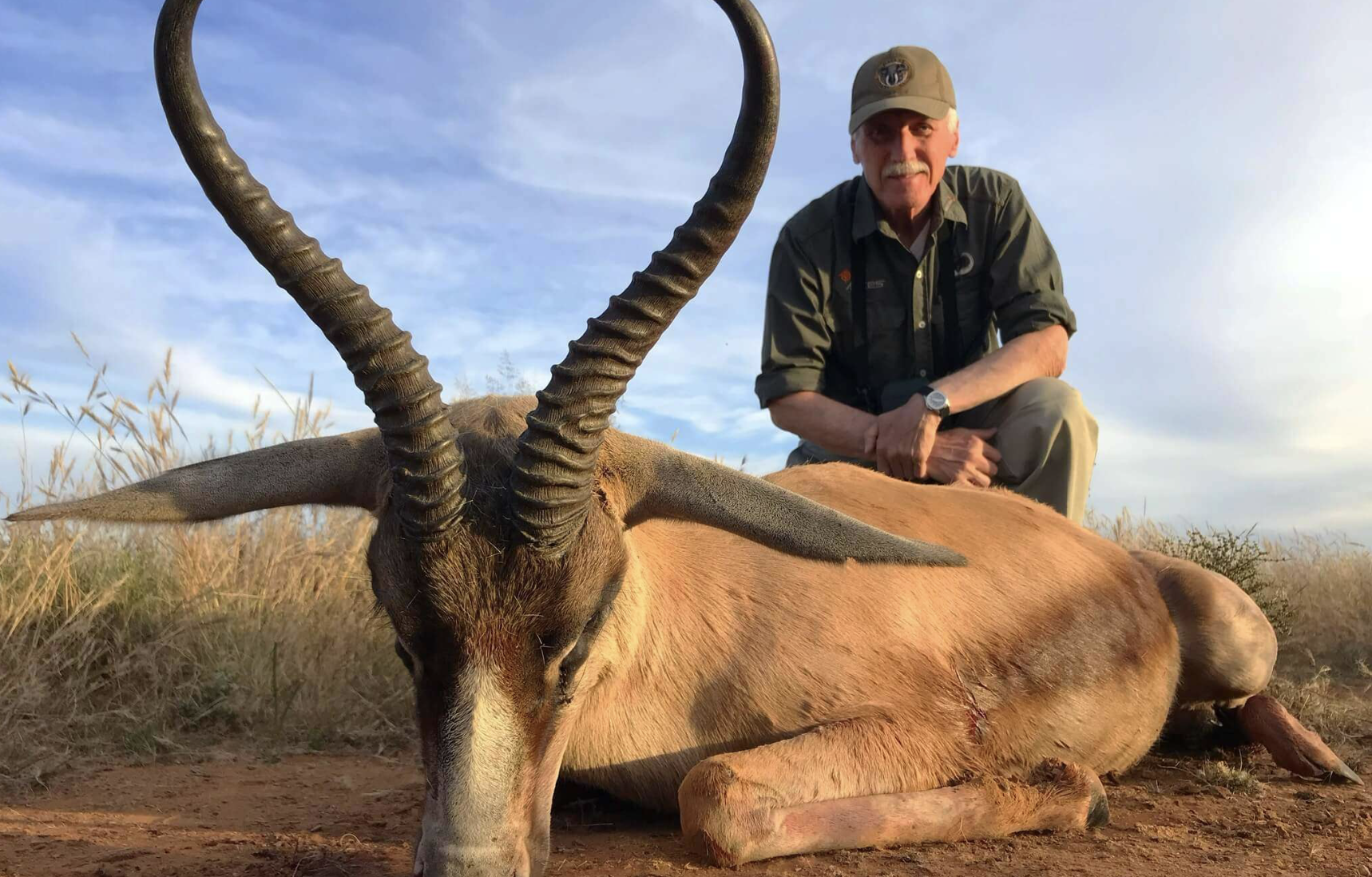
Both plains game and dangerous game hunting require time on your feet, but they challenge hunters in different ways. Neither hunt demands elite fitness, yet arriving in reasonable physical condition will make the experience more enjoyable and help you stay sharp when the stalk gets long.
A typical plains game safari in South Africa combines driving between hunting areas with walking and stalking once fresh sign or target animals are located. Depending on the terrain, you may spend part of the day glassing open hillsides, following game trails through the bushveld, or making careful spot-and-stalk approaches across open ground.
The pace varies from species to species. One stalk may involve a short walk from the vehicle, while another could require several miles of steady hiking before a shooting opportunity presents itself. Hunters should be prepared for uneven ground, warm daytime temperatures, and occasional long periods of patient observation.
Dangerous game hunting places different demands on both body and mind. Cape buffalo, for example, are hunted almost entirely on foot after trackers locate fresh spoor. From there, the hunt becomes a careful exercise in reading tracks, monitoring the wind, and moving quietly through thick bush until the herd or bull is found.
Unlike many plains game hunts, dangerous game encounters often happen at close range. Thick vegetation can limit visibility, meaning hunters must stay alert and follow the instructions of their professional hunter (PH) at every stage of the stalk. The possibility of a close encounter adds a level of mental pressure that many hunters describe as the biggest difference between the two experiences.
Even with these added challenges, dangerous game hunting is not a test of extreme athletic ability. Good mobility, the ability to walk comfortably for several hours, and confidence in handling your rifle under pressure are generally more important than raw endurance. Consistent practice before your safari can be just as valuable as spending extra hours in the gym.
Whether you choose plains game or dangerous game, a little preparation goes a long way. Regular walking, light strength training, and practicing from realistic field shooting positions can help you get more out of your safari and increase your confidence when the opportunity for a shot finally arrives.
Ultimately, the physical demands should not discourage hunters from visiting South Africa. Most safaris are tailored to the hunter’s pace, abilities, and goals. Your professional hunter will adjust the daily approach to match the terrain, the species being hunted, and your comfort level, ensuring that the experience remains both challenging and well-managed.
Experience Level: Who Should Hunt Which?
One of the most common questions hunters ask is whether they are ready for dangerous game or if they should start with plains game. There is no single answer that fits everyone, but for most first-time visitors, a plains game safari is the natural place to begin.
A first safari is about more than bringing animals home. It is an opportunity to learn how African hunting differs from hunting in North America or Europe, understand how trackers and professional hunters (PHs) work together, and become comfortable with African terrain, wildlife, and shooting situations. By the end of the trip, most hunters have a much better understanding of how future safaris should be planned.
Plains game also provides tremendous variety. Instead of focusing on one animal, hunters may pursue kudu, impala, gemsbok, blue wildebeest, zebra, warthog, springbok, and other species during the same safari. That variety keeps every day different and exposes hunters to multiple stalking techniques and habitats. For hunters considering kudu as part of a first safari, the [Kudu page] offers a closer look at one of South Africa’s classic plains game species.
Hunters who have already visited Africa, or who have extensive experience hunting large game elsewhere, may be ready to take the next step into dangerous game hunting in Africa. Success depends less on the number of hunting seasons behind you and more on preparation, confidence with your rifle, and the ability to stay calm under pressure.
Dangerous game hunting also requires the right equipment. For Cape buffalo, hunters should be comfortable shooting a rifle chambered in .375 H&H Magnum or another suitable caliber that meets South African legal requirements. Current firearm and caliber rules should still be confirmed before travel. Spending time practicing from realistic field positions before the safari is just as important as choosing the rifle itself.
That said, experience is not a hard rule. Some first-time African hunters arrive specifically to hunt Cape buffalo and are well prepared for the challenge. Others have hunted Africa several times but continue to focus exclusively on plains game because they enjoy the variety of species and the opportunity to pursue multiple animals during one trip.
The best choice comes down to your personal goals. If your priority is experiencing Africa for the first time, learning the hunting style, and building confidence, plains game is difficult to beat. If you’ve already decided that tracking Cape buffalo has always been your dream, dangerous game may be the right fit, provided you are properly prepared and hunting with an experienced professional hunter.
At Global Hunting Solutions, those conversations begin long before you arrive in South Africa. By discussing your hunting background, preferred species, available time, and budget, it’s possible to build a safari that matches your expectations without trying to fit every hunter into the same itinerary.
Combination Safaris: Get the Best of Both
For hunters who have enough time, a combination safari offers both experiences in one trip. Rather than choosing between plains game and dangerous game, you can experience both during the same South Africa hunting safari.
This has become one of the most popular safari formats, particularly for hunters traveling long distances. Since the daily rates and logistics are already in place, adding a dangerous game hunt alongside plains game often makes more sense than planning two completely separate trips years apart.
A common itinerary is a 10-day safari with approximately three days dedicated to Cape buffalo and the remaining days spent hunting plains game. The exact schedule depends on the species being pursued, weather conditions, and what happens in the field, but this format gives hunters enough time to enjoy both experiences without feeling rushed.
After focusing on the intensity of a buffalo hunt, many hunters appreciate the change of pace that comes with pursuing multiple plains game species. Likewise, those who begin the safari with plains game often find that they are settled into the rhythm of African hunting before turning their attention to Cape buffalo.
Combination safaris also provide greater flexibility. If an opportunity presents itself to add another plains game species during the hunt, it can often be worked naturally into the schedule. The result is a well-rounded safari that reflects both the diversity of South African wildlife and the different styles of hunting available.
Global Hunting Solutions specializes in building combination safaris throughout South Africa. Whether your goal is a classic Cape buffalo hunt paired with kudu and gemsbok or a broader plains game safari with one dangerous game species, the itinerary can be tailored to your hunting objectives, available time, and budget.
Which Safari Is Right for You? A Quick Decision Guide
If you’re still deciding which African hunting safari is the better fit, the comparison below provides a simple starting point.
| Choose… | If… |
|---|---|
| Plains Game Safari | This is your first African hunting safari, you want the opportunity to pursue multiple species, your trophy-fee budget is under $10,000, or you have never hunted large dangerous game before. |
| Dangerous Game Safari | You have previous hunting experience in Africa or with large game, want the challenge of tracking dangerous animals at close range, are prepared for the physical and mental demands, and Cape buffalo is on your bucket list. |
| Combination Safari | You have 10 or more days available and want to experience both dangerous game and plains game during the same South Africa hunting safari. |
There is no universally “better” safari, only the one that best matches your goals. Many hunters begin with plains game and return later for Cape buffalo, while others arrive ready for dangerous game from the start. With the right planning, either option can become the beginning of a long-term African hunting journey.
Frequently Asked Questions
What is the difference between plains game and dangerous game hunting?
The main difference is the level of risk involved. Plains game hunting focuses on non-dangerous species such as kudu, impala, gemsbok, zebra, and warthog, while dangerous game hunting involves pursuing animals that can charge and seriously injure or cause fatal injuries to a hunter if wounded, including Cape buffalo, elephant, lion, leopard, crocodile, hippo, and rhino. Dangerous game hunts also typically call for heavier rifles, more preparation, and close guidance from an experienced professional hunter (PH).
Is Cape buffalo dangerous game?
Yes. Cape buffalo is one of Africa’s Dangerous Seven and is widely regarded as one of the continent’s toughest animals to hunt. Although it is the most accessible and budget-friendly dangerous game species, hunters should never underestimate it. Buffalo can charge when wounded, which is why South Africa generally requires a minimum caliber of .375 H&H Magnum for buffalo hunts. Hunters should confirm current caliber requirements before travel.
What is the cheapest dangerous game animal to hunt in Africa?
Cape buffalo is generally considered the most affordable entry point into dangerous game hunting in Africa. While trophy fees are significantly higher than those for plains game, buffalo hunts are usually more accessible than elephant, lion, or leopard hunts. Many hunters begin with a plains game safari and return later specifically for Cape buffalo, while others build a combination safari around buffalo and select plains game species.
How much does an African hunting safari cost?
The cost depends on the species you want to pursue, the number of hunting days, and the structure of the safari. A plains game safari is the more affordable option, with many packages costing about the same as a guided elk hunt in the western United States. Dangerous game safaris have much higher trophy fees, although day fees and many operating costs are often similar. The biggest difference in total price is usually the trophy fee itself.
Is a plains game safari good for first-time Africa hunters?
Yes. A plains game safari is the starting point for most first-time hunters visiting Africa because it offers more than 30 huntable species in South Africa and introduces hunters to African tracking, spot-and-stalk hunting, and South African terrain without the added pressure of dangerous game. While some first-time visitors are ready for Cape buffalo, most benefit from gaining experience on plains game before pursuing dangerous game on a future safari.
Ready to Plan the Right African Hunting Safari?
Whether you choose plains game, dangerous game, or a combination safari, the best trips start with a clear understanding of what fits your experience, budget, and goals. Global Hunting Solutions, founded by Travis Wier and backed by 30+ years of international hunting experience, works with 4 Aces Safari Outfitters Africa to plan direct, owner-led South Africa safaris. No booking agents. No middlemen. If you’re weighing your first or next African hunting safari, talk to Global Hunting Solutions. We’ll match you to the safari that fits.