
Introduction
Few animals capture the imagination of African hunters quite like the sable antelope. With its jet-black coat, white face mask, and sweeping horns, sable hunting in South Africa represents one of Africa’s most prized plains game hunts. For many experienced hunters, pursuing a mature sable bull is a milestone that combines exceptional trophy quality with a hunt that demands patience, sound judgment, and respect for one of Africa’s most formidable plains game animals. Founded by Travis Wier and backed by 30+ years of international hunting experience, Global Hunting Solutions and 4 Aces Safari Outfitters help hunters plan sable hunts around trophy quality, limited availability, and experienced PH judgment in the field.
The Sable Antelope: What You Need to Know Before You Hunt
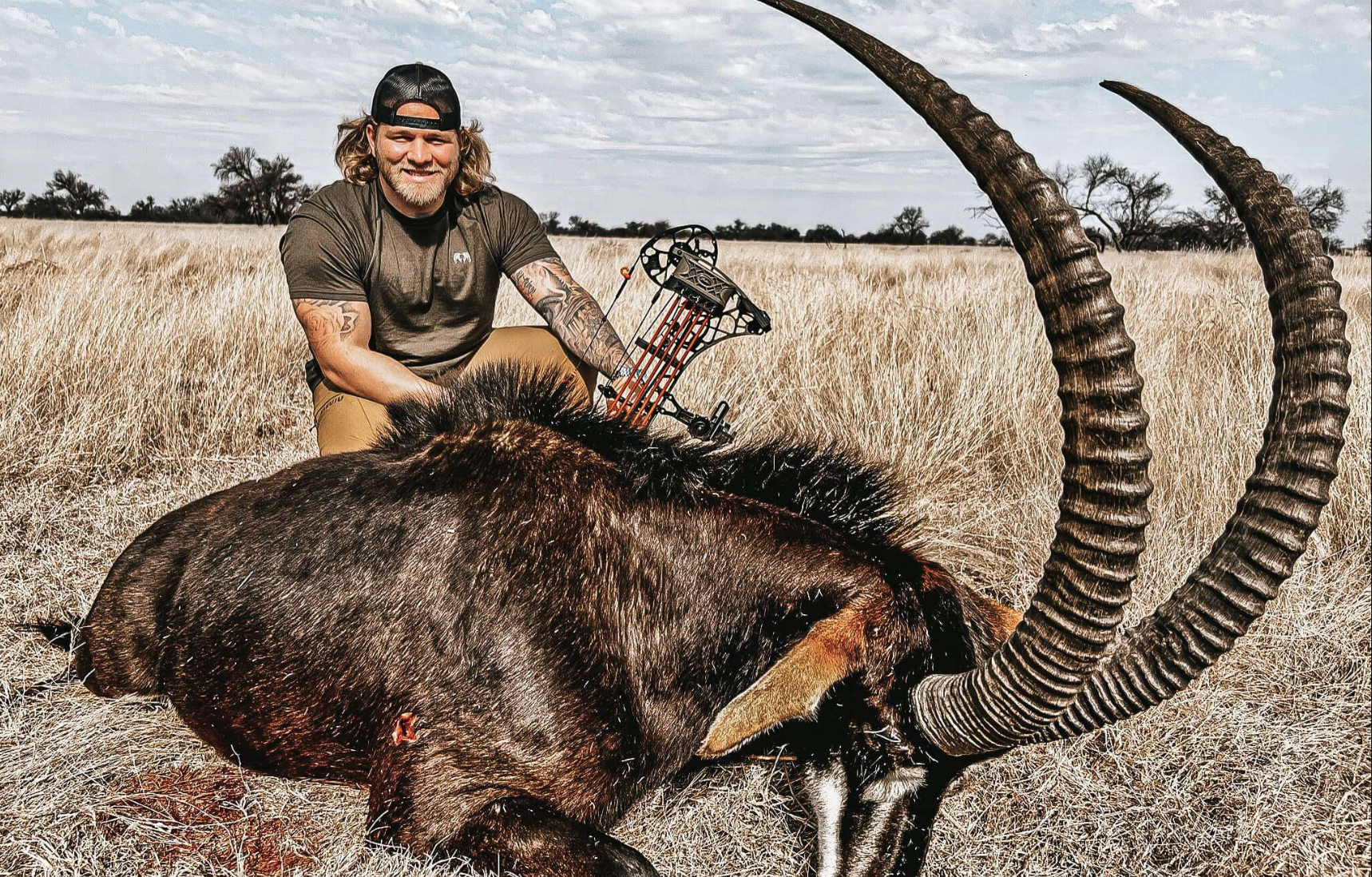
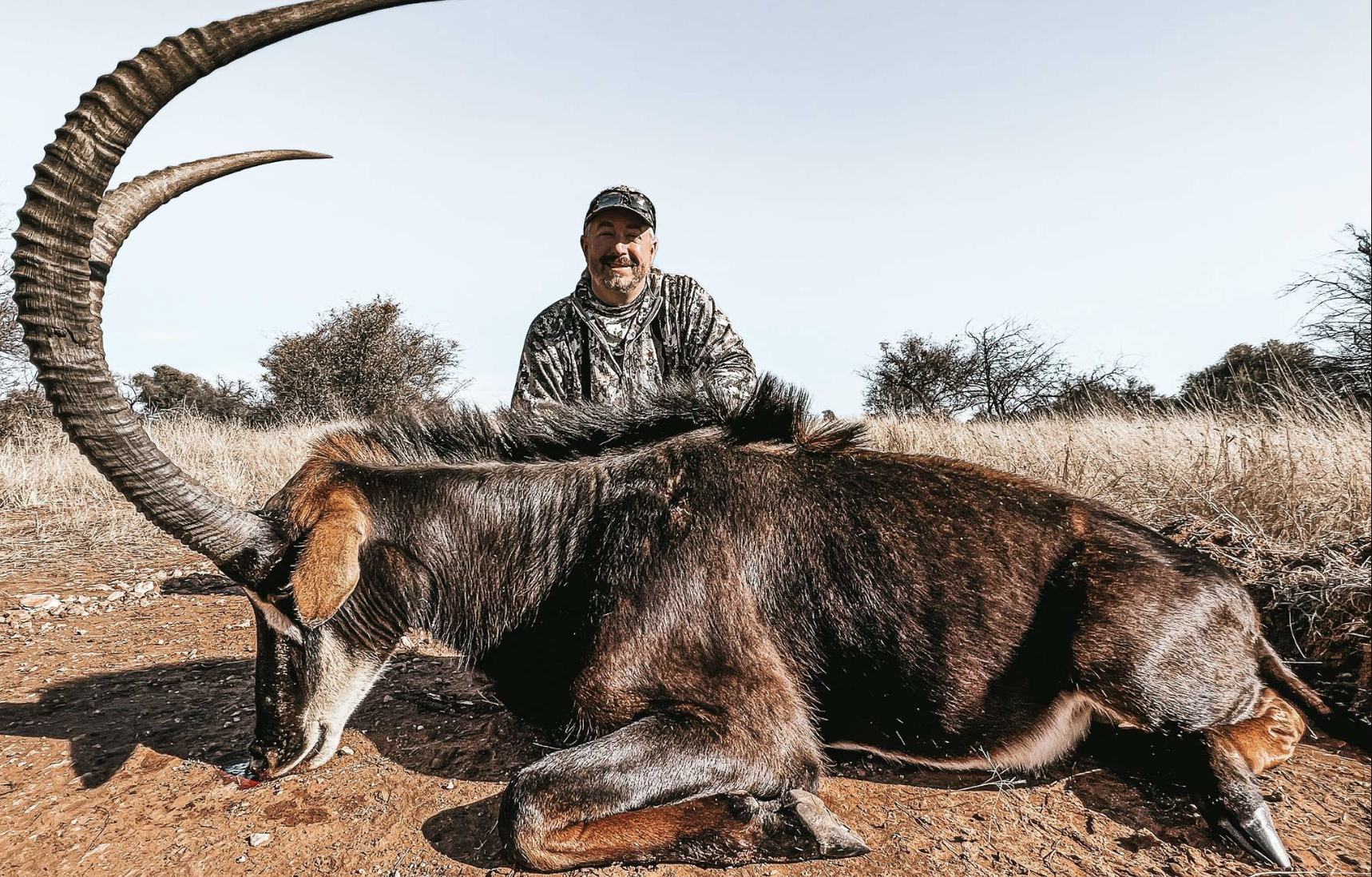
The sable antelope is widely regarded as one of the most striking members of Africa’s antelope family. Mature bulls develop a glossy jet-black coat that contrasts sharply with a bright white underside and distinctive white face mask. Their long, backward-curving horns create a dramatic silhouette that makes the species instantly recognizable, while females retain a rich chestnut-brown coat that provides a lighter, equally recognizable profile.
Beyond their appearance, sable are among the largest of the African plains game species. Mature bulls are heavily built with powerful shoulders, thick necks, and muscular frames that reflect both their strength and territorial nature. Their impressive size, combined with heavy horn mass, is one of the reasons they are considered one of Africa’s most sought-after plains game animals during South Africa hunting safaris.
Despite being classified as plains game, sable should never be underestimated. A cornered or wounded bull is capable of defending itself with remarkable aggression. Sables are known to defend themselves against predators, including lions, and a wounded bull can be extremely dangerous during a follow-up. Their horns are weapons, and every follow-up should be handled with discipline. Respect for the animal and close coordination with an experienced professional hunter (PH) are essential throughout the hunt, particularly after the shot.
Understanding sable behavior also helps hunters make better decisions in the field. Cows and young animals typically live in herds of 10 to 30 individuals led by a dominant cow. Mature territorial bulls often remain with breeding herds during the rut or patrol the edges of the group, while younger bulls may form bachelor groups until they reach breeding age. Knowing these social patterns allows PHs to identify trophy-class bulls without unnecessarily disturbing an entire herd.
Sables are naturally cautious and spend much of their time in woodland and savanna habitats where they can take advantage of available cover. Their alert nature means they often detect movement long before hunters are within shooting range. Success depends on careful observation, patience, and allowing your PH to guide each stalk based on the terrain and the animals’ behavior.
Unlike more abundant plains game species, sable populations are carefully managed on many private hunting concessions in South Africa. This management approach helps maintain healthy herd structures while allowing selected bulls to mature before becoming available to hunters. For those seeking a truly memorable African hunting safari, the opportunity to pursue a mature sable represents one of the continent’s finest plains game hunting experiences.
Trophy Quality: Judging a Sable Bull
One of the greatest challenges of sable hunting is evaluating a mature bull before taking the shot. Unlike some plains game species where body size alone tells much of the story, trophy-quality sable are judged by a combination of horn measurements, horn shape, body maturity, and overall symmetry. Taking the time to assess these characteristics is an important part of a successful hunt.
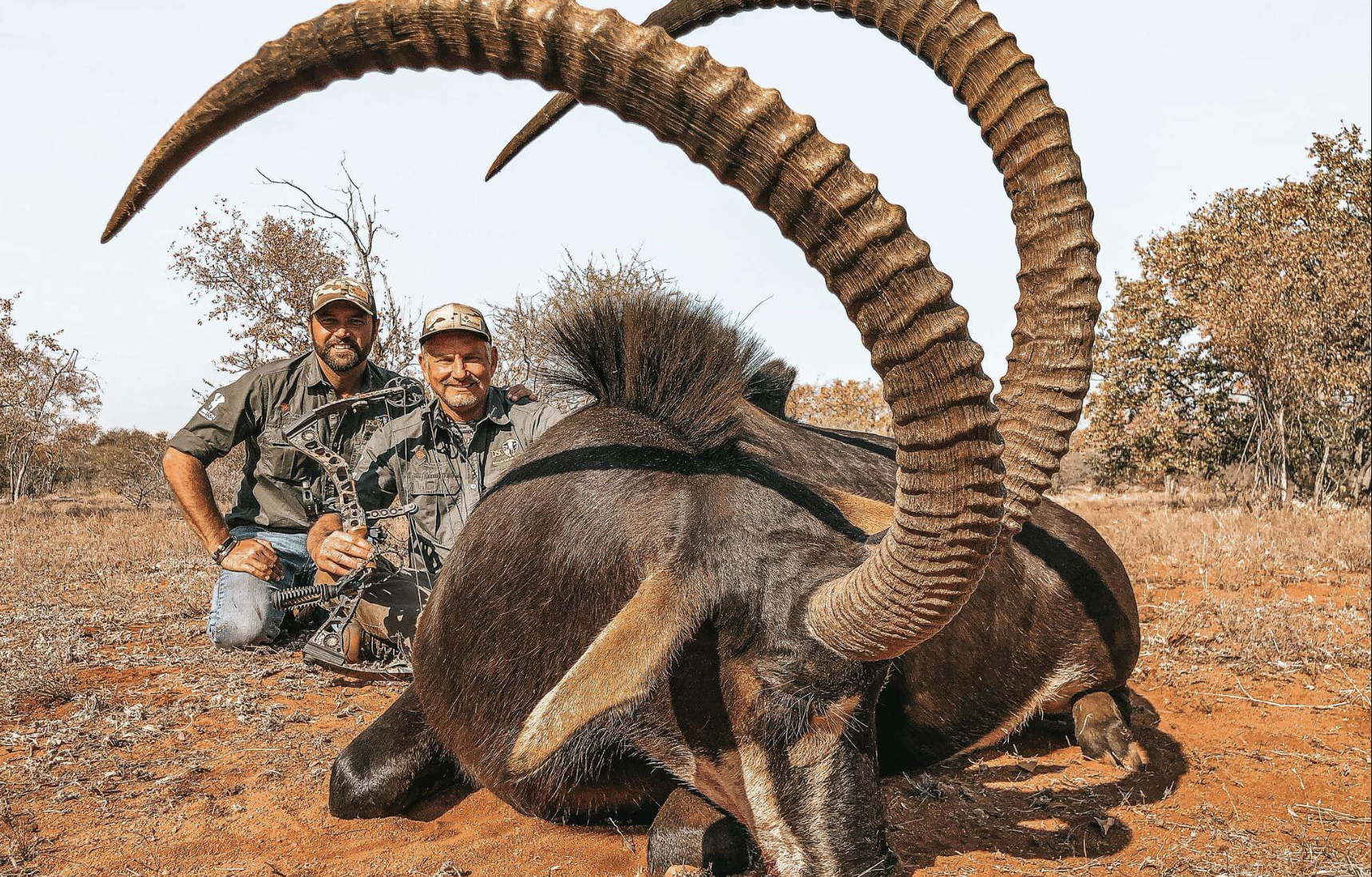
For most hunters, a mature trophy bull will carry horns measuring roughly 38 to 45+ inches. While horn length naturally attracts attention, experienced PHs look beyond a simple tape measurement. The sweep of the horns, their heavy bases, consistent mass throughout the curve, and balanced symmetry all contribute to the overall quality of the trophy.
Age is equally important. Older bulls typically display a deep jet-black coat, heavier body structure, thicker neck, and broader horn bases than younger animals. Although younger bulls may appear impressive from a distance, subtle differences in horn mass, body bulk, and horn development often reveal whether the animal has reached full maturity.
This is where an experienced PH becomes invaluable. On well-managed private concessions, PHs often know the individual bulls that inhabit their hunting areas and understand which animals have reached the appropriate age for harvest. Their knowledge helps hunters make informed decisions that support responsible wildlife management while pursuing a trophy that meets their expectations.
Evaluating sables in the field also requires patience. Bulls rarely stand perfectly broadside in open terrain, and judging horn length accurately can be difficult when animals are partially concealed by brush or mixed within a herd. Waiting for the right opportunity often leads to better trophy selection and a more ethical shot.
Best Time to Hunt Sable in South Africa
The best time for sable hunting in South Africa is generally during the dry season, which runs from May through September. As rainfall decreases, grasses become shorter and vegetation thins, making it easier to locate animals across open woodland and savanna. Water sources also become increasingly important, concentrating game into more predictable areas where hunters can observe and evaluate multiple herds.
Many hunters prefer June through August, when cool daytime temperatures make long stalks more comfortable, and visibility is at its best. With less vegetation to obscure the landscape, professional hunters can spend more time glassing for mature bulls before planning an approach.
June also marks the peak of the breeding season. During this period, mature bulls become more active and spend additional time around breeding herds, increasing the chances of spotting them during daylight hours. While sable remain cautious throughout the year, this added movement can improve opportunities to evaluate trophy-quality animals.
The dry season also benefits hunters by making animal movement more predictable. As natural water becomes limited, sable visit permanent water sources more consistently, allowing hunters to pattern their daily routines and spend more time in productive areas rather than searching vast stretches of habitat.
Unlike some African game species, sable are not restricted by a short legal hunting season in South Africa. Instead, availability is determined by carefully managed annual quotas on private hunting concessions. Because only a limited number of mature bulls are harvested each year, prime sable hunts often book well in advance. Hunters planning a hunting safari in South Africa should begin discussing dates early to confirm availability for trophy-quality bulls.
Hunting Methods for Sable
The primary method for sable hunting in South Africa is spot-and-stalk, supported by patient glassing, careful wind work, and disciplined movement on foot. Sables are alert, wary animals, and closing the distance requires patience, careful planning, and constant attention to wind direction.
Hunters and their professional hunter (PH) usually begin by glassing from elevated areas or slowly moving by vehicle through hunting areas to locate herds or solitary bulls. Once the right animal has been found, the remainder of the hunt takes place on foot, using natural cover to approach within a comfortable shooting distance.
Because sables have excellent eyesight and quickly notice unnatural movement, every stalk must be deliberate. Wind direction is monitored constantly, and experienced PHs adjust the route whenever necessary to stay out of the animal’s scent cone. In many cases, slowing down and waiting for the bull to move into a better position is more effective than trying to force an approach.
Waterhole ambushes can also be productive during the dry season. As natural water sources become scarce, sable visit permanent water more regularly, creating opportunities to observe animals without disturbing them. This method allows hunters extra time to study horn length, body maturity, and herd dynamics before deciding whether to take the shot.
Regardless of the hunting method, the most productive periods are usually early morning and late afternoon. During these cooler hours, sable spend more time feeding and moving between bedding areas and water, increasing the chances of encountering a mature bull in favorable conditions.
Although patience is essential, flexibility is equally important. Weather conditions, herd movement, and the behavior of individual bulls can change throughout the day. A successful hunt often depends on adapting the plan while trusting the judgment and local knowledge of your PH.
Shot Placement and Caliber for Sable
Finding a trophy sable bull is only part of the challenge. A well-placed shot is essential for an ethical harvest and helps reduce the likelihood of a difficult or dangerous follow-up.
The preferred point of aim is the lower third of the body, positioned tightly behind the front shoulder to reach the heart and lungs. This shot placement provides the best chance of a quick, humane harvest while preserving trophy quality.
Although sable shares a similar body shape with roan antelope, they possess heavy muscle and dense bone through the shoulder area. For that reason, caliber selection and bullet construction are just as important as shot placement. Hunters should use premium controlled-expansion or bonded bullets designed to penetrate reliably while retaining sufficient weight.
Many professional hunters recommend cartridges such as the .300 Winchester Magnum, .338-caliber rifles, or the .375 H&H for sables. Each offers adequate power for a clean, ethical harvest when paired with quality ammunition and accurate shot placement. Hunters who are already comfortable with one of these calibers are generally well equipped for pursuing this species.
Even with proper equipment and an accurate shot, hunters should never underestimate a wounded sable. A mature bull is capable of covering ground quickly and may charge if it feels threatened. After firing, remain with your PH, reload immediately if necessary, and follow instructions carefully before approaching the animal. Allow your PH to assess the situation and determine whether a follow-up shot is required, as safety should always take priority.
What to Expect on a Sable Hunt with Global Hunting Solutions
Global Hunting Solutions offers guided sable hunting in South Africa on carefully managed hunting areas, with Limpopo Province recognized as one of the country’s premier regions for trophy-quality sable. These concessions are managed to maintain healthy sable populations while allowing mature bulls to reach older age classes before being considered for harvest.
Most sable hunts are completed as part of a broader African hunting safari rather than as a standalone trip. While the time spent actively pursuing sable varies depending on conditions and trophy availability, hunters typically include the species within a 7- to 10-day safari, providing opportunities to hunt additional game while remaining flexible if extra time is needed for the right bull.
Because sables are managed through limited annual quotas, availability is limited each season. Once the allocated bulls have been booked, additional opportunities may not be available until the following season. Planning early gives hunters the best chance of confirming preferred travel dates and access to available mature trophy animals.
Following a successful hunt, Global Hunting Solutions and 4 Aces Safari Outfitters assists throughout the trophy preparation process. Capes and horns are professionally prepared for shipment, and the team coordinates the necessary export documentation and logistics so your trophy can be processed through the appropriate taxidermist, shipping agent, and current export requirements.
Hunters also receive luxury service from arrival to departure, with direct access to professional hunters and an owner-operated team with no third parties. Hunters should confirm current export and import requirements with Global Hunting Solutions, the outfitter, and relevant authorities before travel.
Adding Sable to Your South Africa Safari
Many hunters choose to make sable the centerpiece of a 7- to 10-day South Africa hunting safari. Rather than focusing on a single species, this approach allows hunters to pursue several iconic animals while making the most of their time in the field.
Sable are commonly combined with species such as kudu, Cape buffalo, impala, gemsbok, wildebeest, zebra, and other African plains game found within the same hunting areas. Hunting multiple species often creates a more varied safari without necessarily requiring a separate trip or a different hunting plan.
As one of Africa’s most prestigious plains game trophies, sable typically carries a higher trophy fee than many other antelope species. The total cost of the hunt generally includes daily rates, the sable trophy fee, trophy preparation, and export-related coordination, along with the fees for any additional species included in the safari. Understanding these components before booking provides a clearer picture of the overall investment.
If you’re planning a multi-species safari, adding sable offers the opportunity to pursue one of Africa’s most respected plains game trophies alongside several other sought-after game animals. Global Hunting Solutions and 4 Aces Safari Outfitters can help build sable into a tailored South Africa itinerary with direct PH access and luxury service from arrival to departure. Hunters comparing safari options can use the [South Africa Hunting page] to see how sable may fit into a broader South Africa hunting plan.
Frequently Asked Questions
How much does a sable hunt in South Africa cost?
A sable hunt in South Africa often ranges from $4,900 to $7,900, depending on trophy size, hunt structure, and package inclusions. Sable is considered one of Africa’s premium plains game species, so trophy fees are generally higher than those for more common antelope.
The total cost typically includes daily hunting rates, the sable trophy fee, trophy preparation, and may include lodging, guides, trackers, permits, export-related coordination, and any additional species included in your safari. Because sable availability and package inclusions vary by outfitter and season, hunters should contact [Global Hunting Solutions] for current pricing, available dates, and South Africa hunting package options.
Is sable dangerous game?
Sables are classified as African plains game, not dangerous game. However, a wounded or cornered bull can be extremely aggressive and is capable of inflicting serious injuries with its long, sharp horns. Wounded sable have killed people, so they should never be treated like a routine plains game during a follow-up. This is why careful shot placement and close coordination with an experienced professional hunter (PH) are essential.
What makes sable one of Africa’s most prized trophies?
Sables are prized because they combine dramatic appearance, genuine field difficulty, impressive horn length, and a challenging hunt. Mature bulls display a deep black coat, bold white face mask, and sweeping horns that may exceed 45 inches. Their cautious behavior, difficulty in judging quickly in the field, and limited annual availability further enhance their reputation among experienced hunters.
What is the best caliber for sable hunting?
For sable hunting, many professional hunters (PHs) recommend cartridges such as the .300 Winchester Magnum, a .338-caliber rifle, or the .375 H&H. Premium controlled-expansion or bonded bullets are strongly recommended to ensure reliable penetration and an ethical harvest.
When is the best time to hunt sable in South Africa?
The dry season from May through September offers the best conditions for sable hunting in South Africa. Many hunters prefer June through August, when cooler weather, reduced vegetation, and bull movement around the June breeding peak make mature bulls easier to locate and evaluate.
Can sable be added to a plains game package?
Yes. Sable can be added to a plains game package or broader 7- to 10-day multi-species South Africa safari alongside kudu, impala, gemsbok, wildebeest, zebra, and other popular plains game species. Cape buffalo may also be part of a broader safari plan, but it should be treated separately from plains game. Because sable quotas are limited, it is best to discuss availability early when planning your safari.
Plan Your Sable Hunt in South Africa
A successful sable hunting experience begins with understanding the animal, choosing the right time of year, and working with experienced professionals who know the land and the trophy bulls that inhabit it. At Global Hunting Solutions, founded by Travis Wier and backed by over 30 years of global hunting experience, hunters work directly with Global Hunting Solutions and 4 Aces Safari Outfitters. No booking agents. No third parties.
The experience combines serious PH-led hunting with luxury service from arrival to departure, including tailored coordination around species, timing, terrain, and hunter goals. We offer professionally guided hunts in South Africa, including premier sable areas in Limpopo, with a focus on ethical hunting and well-managed concessions.
Because sable availability is limited by annual quotas, it is worth starting the conversation early if you’re considering adding one to your next African safari. Book your sable hunt with [Global Hunting Solutions] to discuss current availability, package options, and the right plan for your objectives.