
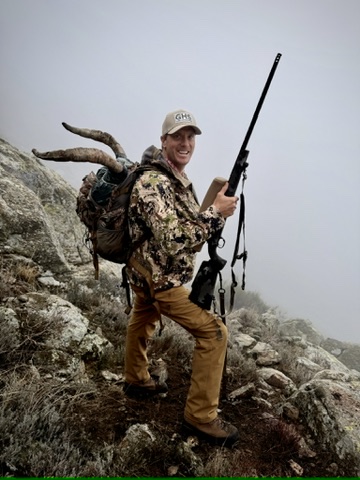
The deceptive song dogs of the American South are opportunistic predators. They use their wily and heightened senses to track their prey, and this is what makes them a lot harder to chase and hunt down.
The coyote (Canis latrans) means different things to different people. To some, like ranchers and shepherds, they are just wild and dangerous pests despoiling the livestock. For others, such as professional hunters, they are an investment. On the flip side, just a casual hunter thinks they are fun to shoot.
Hunting the Coyote
Coyote hunting is nothing like hunting deer; however, both animals have a strong sense of smell and are significantly faster than an Olympic athlete. It is the hunter who engages this animal when there is favorable wind at a long range. As coyotes are nocturnal, it is not only recommended to use thermal imaging but also essential for engaging the prey or the target at a far-off distance during the nighttime. Flashlights capable of beaming down from a few hundred feet are still not accurate enough for hunters to see further and shoot accurately.
Let us discuss the fundamentals of coyote hunting, focusing on understanding the behavior of these wild animals, selecting the correct ammunition and gear, choosing tricks and tactics, and also practicing ethical hunting.
Knowing the prevailing State Laws
Before deciding to start hunting, always check your local hunting rules and regulations. Every state is different. Some allow night hunting for coyotes, others don’t. Some bans specific optics or ammunition, while others do not. Simply because it is viable in South Dakota doesn’t mean it’s legal in New York.
Ethical, legal hunting matters. Be aware of your laws, respect the land, and hunt responsibly.
Gear: What to use and where to begin from

There’s a ton of gear out there, but to begin, you need three basics:
- Camo that fits your region and helps break up your outline. Wear a facemask—coyotes will spot your face easily.
- Rifle chambered in a flat-shooting caliber like .223, .22-250, or .243 Win. These rounds offer power without destroying the pelt.
- Call: Start with a simple cottontail distress mouth call. They are cheap, effective, and easy to learn.
Once you upgrade, I recommend a FoxPro e-caller. It is durable, even in -30°F, unlike some other brands that glitch in the cold. If you need assistance with guided hunting and the proper gear selection, Global Hunting Solutions can offer you detailed guidance to level up your hunting experience.
A Word on Ammo
Ammo choice matters. Soft points or hollow points are your best bet. Ballistic tips can be inconsistent. Sometimes they do not penetrate; other times, they blow out a basketball-sized exit wound. That is bad news if you want to preserve the pelt.
Scouting Coyotes: At what place and by what means
Their presence should be known, way before you plan on hunting them.
Daytime Scouting
- Look for tracks (2.5–3.5 inches)
- Check for scat—darker means they’re eating well (less likely to respond to calls); lighter means they are hungry
- Drive areas with good terrain, cover, and prey nearby
Nighttime Scouting
Use locator howls to check for responses in promising areas. If they answer back, mark the spot and knock on a landowner’s door. Ask questions about when and where they hear or see coyotes.
Coyotes often follow patterns — I once returned to a kill site the next night at the same time and caught the same coyote sniffing around.
A new study from the University of Utah has confirmed that the coyote population often rebounds where they are hunted intensely. Therefore, a good understanding of the dynamics of the local coyote population could help significantly in effective scouting during the hunt.
Tip:Use mapping tools like onXmaps to scout terrain and identify high ground.
Approaching the Stand: Don’t Blow Your Hunt Early
If you don’t approach your spot carefully, you might lose the hunt before it begins.
- Park well away from your stand
- Avoid loud doors or revving engines
- Walk in quietly with the wind in your favor
- Stay low when cresting ridges
- Sit for 5 minutes before calling to let the area settle
- Avoid being skylined—scoot down the hill a bit if you have to
I’ve even shot a few coyotes I spotted by glassing quietly before blowing any calls.
Calling Strategy: Keep It Easy and Simple
Start basic. Don’t overthink it.
- Begin each set with soft calls or lip squeaks
- Ramp up to cottontail distress
- Run 1-minute calling, 3-minute silence intervals for 45-60 minutes
- Finish with pup distress to draw in a second yote
In February, during mating season, introduce howls and challenge calls.
Use lower volume when coyotes are close. Lip squeaks can coax them the final yards. Always watch the downwind side – that’s where they’ll circle.
If they spook, bark like a dog to try and stop them for a shot.
Nighttime Hunting and Optics

Since coyotes are mostly active during the night, thermal imaging and optics have become a guiding light both figuratively and literally. Game-changer. Flashlights can work, but their harsh beams often alert coyotes.
Instead, go thermal:
Recommended Thermal Gear
- Merger LRF XP50: 2,000-yard detection range
- Talion XQ38: With a 1,475-yard range, 2.5x base magnification, and 9-hour battery life, it is a great thermal riflescope.
Keep your thermal scope on low magnification at first to maintain peripheral vision, then zoom once you confirm the target.
Rifle and Caliber Talk
Yes, you’ll hear debates. But here’s the reality:
- .223, .22-250, and .243 are proven predator calibers
- Bigger rounds = pelt damage (if that matters to you)
- Small rounds like .17 HMR and .22 Mag? Only good under 100 yards with perfect headshots
If you want clean pelts, the .17 HMR is great for short-range work. But if you wish to power and distance, go centerfire.
Weather, Moon Phases, and Timing
Coyotes prefer cold, calm weather. Windy days make them stay bedded.
- Ideal speed of wind: 0-10 mph
- Best moon: New moon (less light)
- Best suited time: Dawn, dusk, 11 p.m. to 4 a.m.
- Fresh snow = best scouting conditions
After a storm? Get out there. Hungry, cold coyotes move more.
Bonus Gear and Advanced Tactics
If legal in your area, try:
- Bait stations: Frozen meat piles refreshed every 1–2 weeks
- Decoys: Motion decoys like Mojo Critter work well. I used to run my cattle dog as a decoy (risky but effective!)
- Game cameras to track feeding patterns at bait sites
The idea is to create consistency and competition, especially late in winter when food is scarce.
East vs. West Coyotes
Western coyotes (like in South Dakota) are more aggressive and easier to call. In the East, especially east of the Mississippi, coyotes have wolf DNA, making them more cautious.
Also, Eastern terrain is tighter, meaning you won’t see them coming from a mile out. Be ready for quick shots. In the West, open spaces enable better tracking and planning.
FAQs
- Is hunting coyotes at night even legal?
Yes, in many states, it is legal — however, one must be aware of the rules and regulations. Always keep a tap on your local DNR or wildlife agency’s website to confirm what is allowed at your location, especially regarding the use of night vision or thermal optics. - Suggest the best caliber for coyote hunting?
There are many to choose from. To name a few calibers include .223 Remington, .22-250, and .243 Win due to their flat trajectory and moderate impact on pelts. Smaller calibers like .17 HMR may be better when looking for pelt preservation, though they’re limited to close-range shots. - Do I need a call to hunt coyotes effectively?
Yes. Coyote calls—especially distress calls like cottontail or pup distress—are essential for bringing them in. Beginners can start with mouth calls, while FoxPro electronic calls are a reliable upgrade. - How to look out for coyotes before hunting?
Scout by looking for tracks, scat, and prey presence during the day. Use locator howls at night to confirm activity. Tools like onXmaps and thermal optics (e.g., Merger LRF XP50) help identify high-traffic zones. - What time of day are coyotes most active?
Coyotes are generally night animals and are usually active from dusk till dawn, notably between 11 p.m. and 4 a.m. They also respond well at first light or right before dark, depending on weather conditions and pressure. - Do we need camouflage?
It helps; you can select camo that blends with your terrain and season. A face mask is highly recommended since coyotes often pick out uncovered human faces quickly. - From how far can coyotes smell humans?
These wild dogs have an exceptional sense of smell, often detecting human scent from hundreds of miles away. A quick tip- Always hunt with the favourable wind and avoid leaving scent trails near your setup. - Are decoys worth using?
Yes. Motion decoys (like the Mojo Critter) can help to distract animals and often pull them into the range. Some hunters even use live dogs for decoying, but this comes with risks and legal considerations. - Is thermal or night vision better for coyote hunting?
Thermal imaging is transformational and is superior for spotting heat signatures at long distances. Products like the Talion XQ38 or Merger LRF XP50 are highly effective tools for long-range night hunting. - How often can I hunt the same spot?
Avoid over-hunting the same spot. Coyotes are smart and learn patterns fast. Give each stand a rest for several days to a week, or rotate through multiple locations if possible.
