
Master the Art of Pursuing Africa’s Most Resilient Game Species
Quick Summary / Key Takeaways
- The dry winter months from May to September offer the best visibility and concentrate warthog movement near reliable water sources across managed South African plains game concessions.
- Limpopo and the Eastern Cape remain well-known plains game regions where stable warthog populations are supported through long-standing private land wildlife management programs.
- Shot placement is critical because warthogs are notoriously tough and can cover considerable distance if a shot is poorly placed.
- Ethical hunting supports conservation programs and contributes to the management of healthy game populations across privately managed concessions.
- Working with an experienced professional hunter (PH) and licensed outfitter ensures hunts are conducted safely and within South Africa’s wildlife regulations.
Introduction
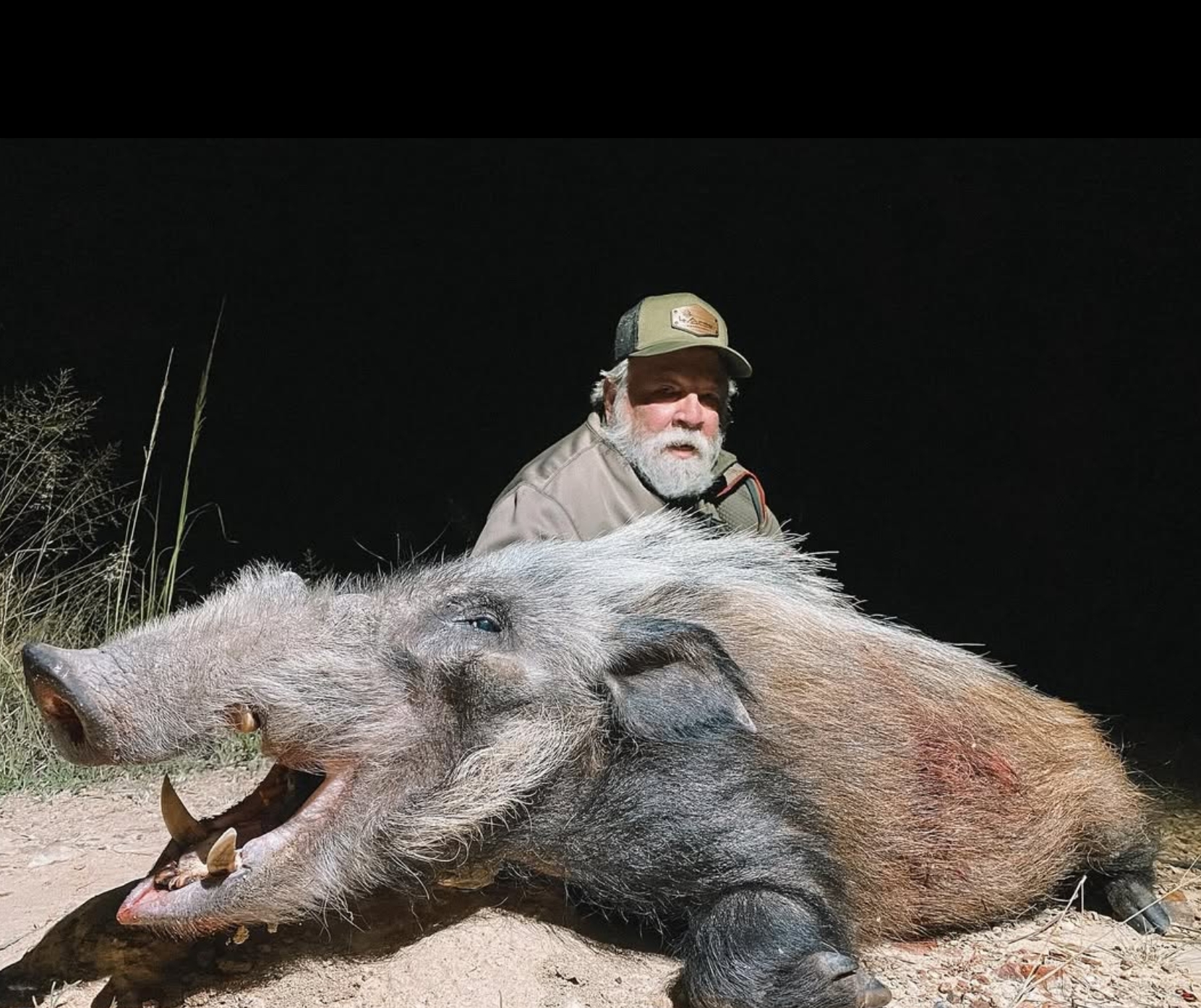
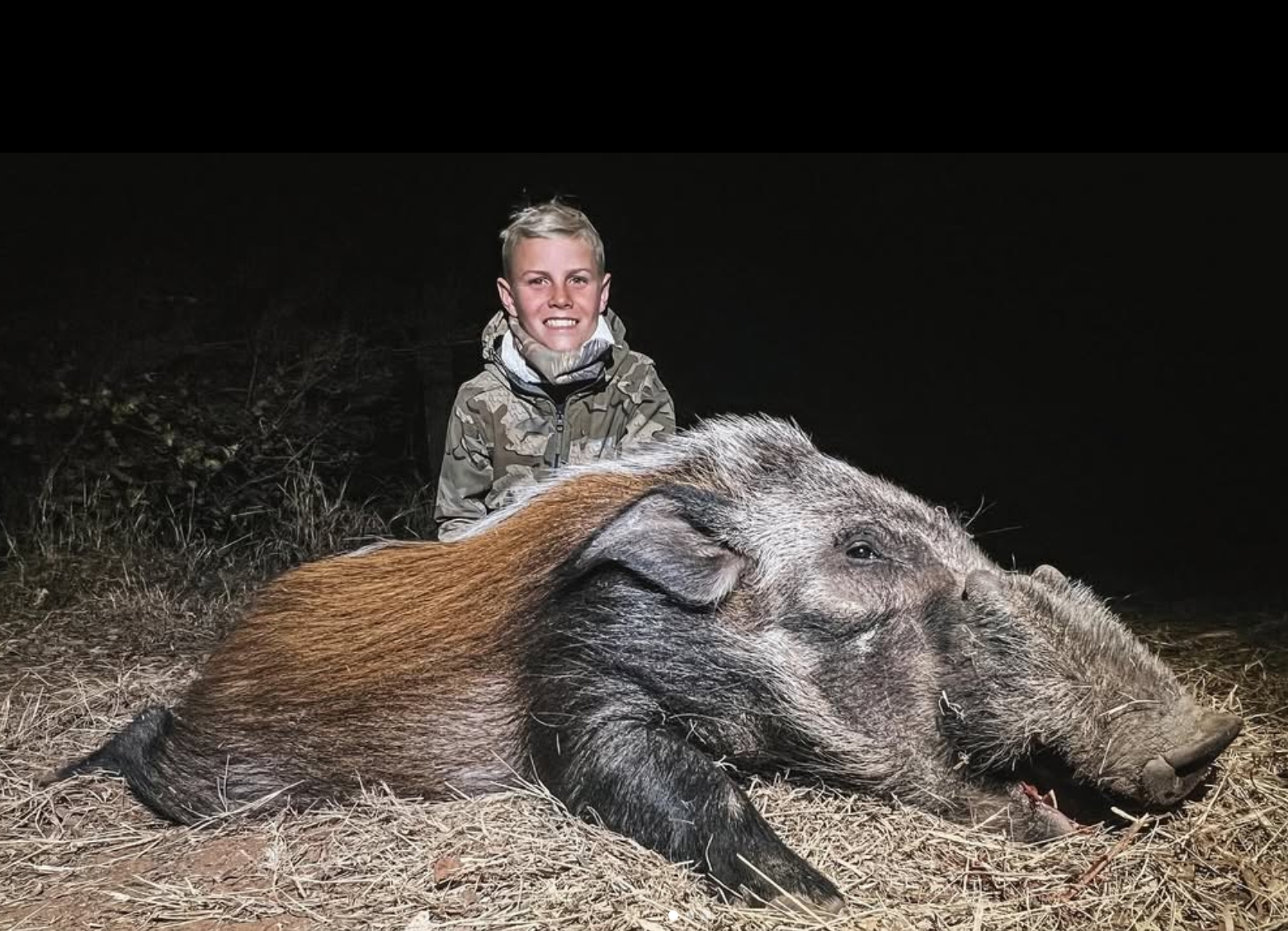
Warthog hunting in South Africa offers a disciplined pursuit within the broader African plains game tradition. These resilient animals thrive in the savanna, thornveld, and mixed bushveld landscapes common across regions such as Limpopo and the Eastern Cape, creating a hunt that rewards patience, field awareness, and careful shot placement. Pursuing a mature boar often requires methodical glassing near water, careful wind management, and deliberate stalking through dense thornveld cover where visibility and approach angles constantly shift.
When you step into the bush, the dry acacia flats, red soil, and well-worn game trails quickly reveal how animals move across the landscape. Hunting warthog in South Africa is less about a single animal and more about reading terrain, tracking movement patterns, and working closely with experienced professional hunters (PHs) who understand the region. Whether glassing water sources during the heat of the day or moving quietly along travel corridors, the hunt reflects the broader rhythm of well-managed plains game concessions and the discipline required to hunt them responsibly.
Regional Comparison for Warthog Hunts
| Province | Terrain Type | Typical Warthog Population Quality | Common Hunting Method |
|---|---|---|---|
| Limpopo | Dense Bushveld | Excellent | Waterhole Ambush or Short-Range Bushveld Stalks |
| Eastern Cape | Mountain Scrub | Very Good | Spot-and-Stalk in Broken Terrain |
| Free State | Open Savanna | Good | Long-Range Glassing and Deliberate Stalks |
| North West | Thornveld | Excellent | Tracking Active Game Trails Through Thornveld Cover |
Recommended Gear and Calibers
| Item Category | Recommendation | Ideal Specs | Expert Tip |
|---|---|---|---|
| Rifle Caliber | .30-06 Springfield | 180-Grain Controlled-Expansion Bullet | Use bonded or controlled-expansion bullets for reliable penetration on durable plains game species such as warthog |
| Optics | 10×42 Binoculars | High-Quality Low-Light Glass | Glass early and late when warthog movement around water sources and feeding areas is most visible |
| Clothing | Dark Khaki/Green | Ripstop Fabric | Choose quiet fabrics suited for thornveld, bushveld, and dry savanna conditions |
| Footwear | Leather Boots | Quiet Rubber Sole | Break boots in well before the safari to ensure stable footing across uneven bushveld terrain and game trails |
Pre-Safari Preparation Checklist for a South African Plains Game Hunt
- Confirm all South African firearm permits and temporary import documentation are valid.
- Zero your rifle at 100 yards using the exact ammunition you plan to use on the safari.
- Pack moisture-wicking layers in neutral earth tones to blend into the winter bushveld and dry savanna terrain.
- Schedule a physical conditioning routine to prepare for extended tracking and walking across sandy bushveld terrain.
Post-Hunt Field and Trophy Handling Checklist
- Supervise the initial field dressing to ensure the cape is preserved properly for taxidermy preparation.
- Discuss trophy export logistics and taxidermy preferences with your professional hunter (PH).
- Record the measurements and take high-quality photos in natural light at the recovery site for your records.
- Settle any remaining trophy fees and gratuities for the professional hunter, trackers, and skinning staff.
Table of Contents
Section 1: TIMING AND LOCATION
Section 2: EQUIPMENT AND TACTICS
Section 3: ETHICS AND LOGISTICS
Section 4: PREPARATION AND ENVIRONMENT
Frequently Asked Questions
Section 1: TIMING AND LOCATION
FAQ 1: What is the best time of year for warthog hunting in South Africa?
The winter months from May through August provide the most consistent conditions for warthog hunting in South Africa because the vegetation is thinner and water becomes more limited across many plains game areas. These seasonal conditions often concentrate animal movement around reliable water sources and established travel routes, making warthog activity easier to observe and plan for.
Cooler winter temperatures also support longer days in the field, whether glassing water points or moving carefully through bushveld terrain with a professional hunter (PH). Many experienced hunters prefer June and July when dry-season visibility and predictable movement patterns across managed plains game concessions are typically at their peak.
Takeaway: Book your safari between June and August to take advantage of dry-season visibility and more consistent warthog movement around water sources.
FAQ 2: Which regions offer the best warthog hunting south africa experiences?
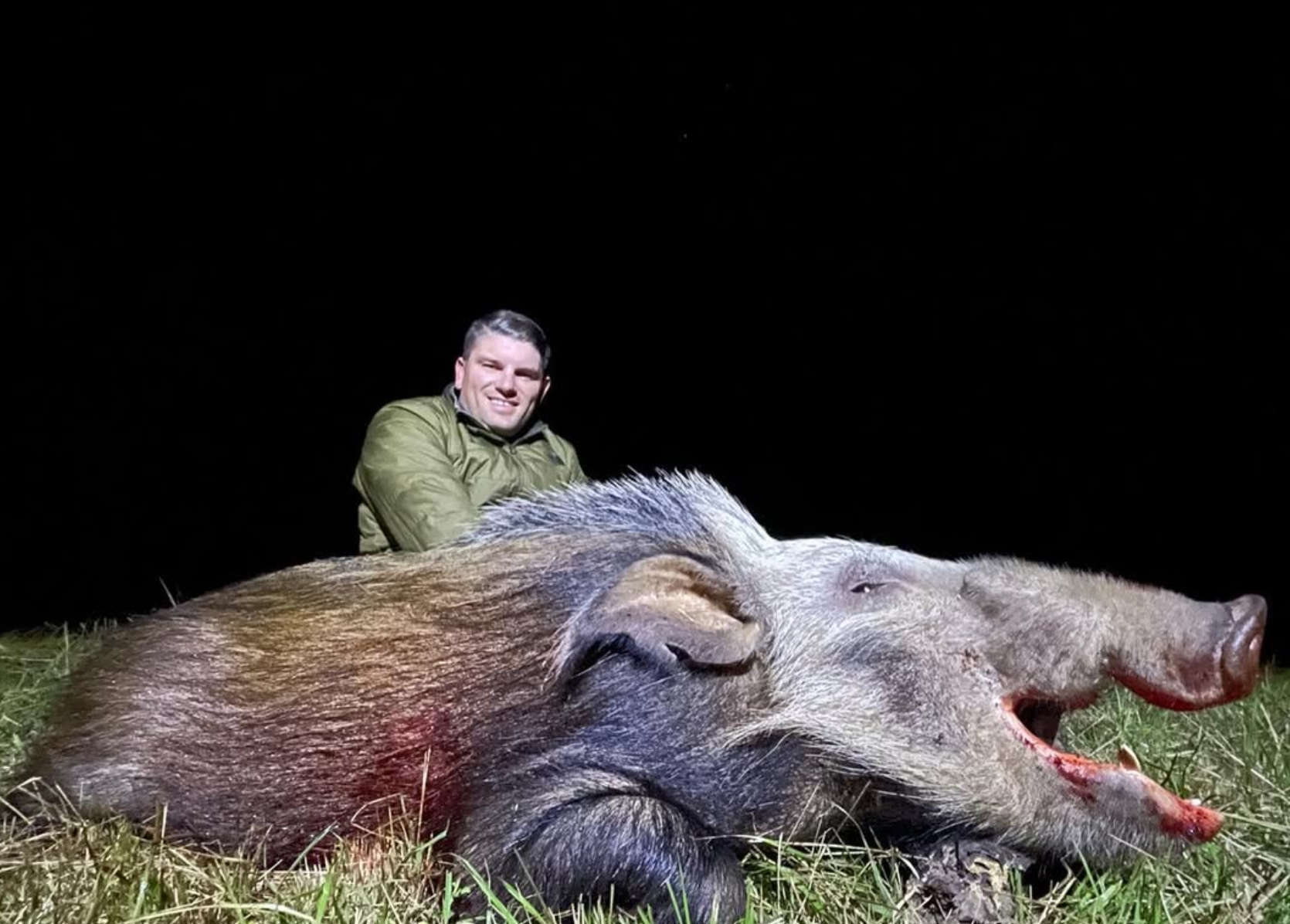
Limpopo and the Eastern Cape are widely considered the premier regions for warthog hunting in South Africa due to their diverse habitats and long-established private wildlife management systems. The Limpopo bushveld offers classic thick cover where boars move through dense thornveld, mopane, and acacia flats typical of northern plains game concessions. In contrast, the Eastern Cape provides a more mountainous and open challenge for hunters who prefer deliberate spot-and-stalk hunting across broken terrain and semi-arid scrub hillsides.
Both areas operate within well-managed private concessions that support stable warthog populations and responsible wildlife stewardship. Experienced professional hunters and local trackers in these regions understand seasonal travel routes, water patterns, and terrain-specific hunting strategies.
Section 2: EQUIPMENT AND TACTICS
FAQ 3: What caliber is recommended for hunting warthog in south africa?
A .30-06 Springfield or a .270 Winchester is commonly recommended for warthog hunting in South Africa because they provide a dependable balance of penetration, accuracy, and manageable recoil for typical plains game hunting conditions. While warthogs are not among the largest plains game species, they are notably durable animals with dense muscle and a protective shoulder shield on mature boars that require reliable bullet performance.
Using a heavy-for-caliber bonded or controlled-expansion bullet helps ensure the projectile maintains structural integrity on impact. Shot placement remains more important than raw power, so hunters should select a rifle they can operate confidently and accurately in field conditions. Many professional hunters (PHs) favor .30 caliber platforms for their versatility across multiple plains game species.
FAQ 4: How do professional guides track warthogs in the thick bushveld?
Professional guides use a combination of fresh tracks, feeding signs, and movement patterns near water sources to locate active warthogs in the dense South African bushveld. Warthogs are creatures of habit and will often use the same burrows and paths if they are not pressured. Your guide will look for the sharp, split-hoof prints that indicate a heavy animal moving through soft sand along game trails, water approaches, and feeding areas. They also listen for the distinct sound of warthogs feeding or the alarm snort of a sow. Wind direction and terrain awareness are the most critical factors during the final approach when closing distance through the thornveld and bushveld cover to avoid detection.
Section 3: ETHICS AND LOGISTICS
FAQ 5: What are the ethical considerations for warthog hunting in south africa?
Ethical warthog hunting in South Africa focuses on responsible wildlife management and regulated harvest within privately managed plains game concessions. Hunters should prioritize mature animals when appropriate under the guidance of a professional hunter (PH) to support balanced herd structures and long-term population stability.
After a harvest, the animal is processed through established estate handling procedures so the meat is utilized locally, often supplying lodge kitchens and nearby communities. Following the direction of an experienced PH ensures that shots are taken only when a clear and ethical shot opportunity is presented. This disciplined approach reflects the conservation-driven hunting model used across well-managed South African plains game concessions.
FAQ 6: Is a trophy fee typically charged for warthog hunting south africa?
Yes, a trophy fee is standard for warthog hunting in South Africa and is usually paid in addition to a daily rate that covers the professional hunter, lodging, and guiding services. This fee varies depending on the outfitter, concession, and specific safari structure. Some plains game safaris include warthog as part of a broader multi-species plains game itinerary.
Hunters should confirm whether the trophy fee is a flat rate established by the concession or determined by tusk measurements or local trophy classification standards. These fees support the operational framework of the hunt, including concession management, wildlife stewardship, and the professional staff who operate and maintain the hunting area.
Section 4: PREPARATION AND ENVIRONMENT
FAQ 7: What should I pack for a warthog hunting safari in the Limpopo?
Packing for the Limpopo requires durable, earth-toned clothing that can withstand the abrasive thorns of the bushveld. You should bring well-broken-in leather hunting boots with quiet soles for silent movement through thornveld cover and sandy bushveld game trails. A high-quality pair of binoculars is essential for glassing water sources, game trails, and shaded bushveld edges where warthogs often move during the heat of the day.
Do not forget a wide-brimmed hat and unscented sunscreen to protect yourself from the intense African sun. Light layers are best because dry-season bushveld temperatures can shift significantly between early morning tracking periods and midday hunting hours.
FAQ 8: How does weather affect warthog behavior during a South African hunt?
Weather plays a significant role in warthog activity, as they are sensitive to cold and will often remain in their burrows until sunlight warms the ground across the bushveld. On colder winter mornings, movement may remain limited until mid-morning when temperatures rise, and animals begin feeding along established game trails. During the heat of the afternoon, warthogs frequently seek shade or visit water sources to drink and wallow in mud.
Wind is often the most disruptive weather factor because shifting air currents make animals more alert and increase the chance of human scent carrying across open bushveld terrain. Understanding these patterns allows hunters and professional guides to plan glassing periods and stalks when conditions support a disciplined and controlled approach through thornveld cover.