
Master the Bushveld with Expert Guides and Ethical Safari Practices
Quick Summary / Key Takeaways
- Limpopo offers diverse bushveld hunting environments ranging from dense mopane bush to open savanna plains across privately managed concessions with established plains game management programs.
- Ethical hunting in Limpopo, South Africa, operates within regulated wildlife management systems that support conservation and local economies through controlled harvest and concession-level oversight.
- The region is well known for consistent plains game quality, including kudu and impala, supported by structured habitat and population management across professionally operated hunting areas.
- Professional hunters in Limpopo prioritize walk-and-stalk methods supported by trackers and terrain-specific strategies to ensure a fair chase and a controlled approach within bushveld conditions typical of northern concessions.
- Planning your safari during the cooler winter months from May to September aligns with optimal tracking conditions and increased daytime movement across the bushveld consistent with dry-season hunting patterns in South Africa.
Introduction
Limpopo is one of the most established hunting regions in South Africa, defined by professionally managed concessions and long-standing wildlife programs and remains a core region for structured plains game safaris, and offers a rugged bushveld environment that continues to draw experienced hunters back. When you step off the plane and enter the dry, acacia-lined bushveld, you are stepping into terrain shaped by decades of conservation-driven land management. The province is known for its biodiversity and varied landscapes that range from the rocky Waterberg mountains to the river systems along the Limpopo basin, where plains game densities are supported through structured habitat management and regulated harvest practices.
Hunting in Limpopo, South Africa, is structured around controlled, ethical pursuit within regulated concessions where the focus is on execution, fieldcraft, and understanding terrain under the direction of licensed PHs and experienced tracking teams. The bushveld here is thick and demanding, requiring patience, shot discipline, and equipment that performs under pressure. Whether you are glassing for kudu in broken terrain or tracking mature animals through dense cover, the experience is defined by measured movement, wind awareness, and coordination with your PH and tracking team across concession-specific hunting areas.
Across established operations, private land has been converted into managed wildlife areas that support sustainable populations and consistent hunting conditions through long-term conservation planning and controlled access. This transformation underpins Limpopo’s position as a leading destination for plains game hunting, with some concessions also offering access to dangerous game under strict regulatory oversight and permit-controlled systems. You will find that professional hunters and trackers operate with a level of precision built on years of field experience, working within defined systems that prioritize safety, legality, and conservation outcomes aligned with provincial regulations.
Planning a safari here requires preparation, coordination, and respect for the environment, but the result is a controlled, high-quality hunting experience built around access, expertise, and operational consistency supported by experienced outfitter teams and structured itineraries.
Popular Plains Game Species in Limpopo
| Species | Average Weight | Best Month | Trophy Quality |
|---|---|---|---|
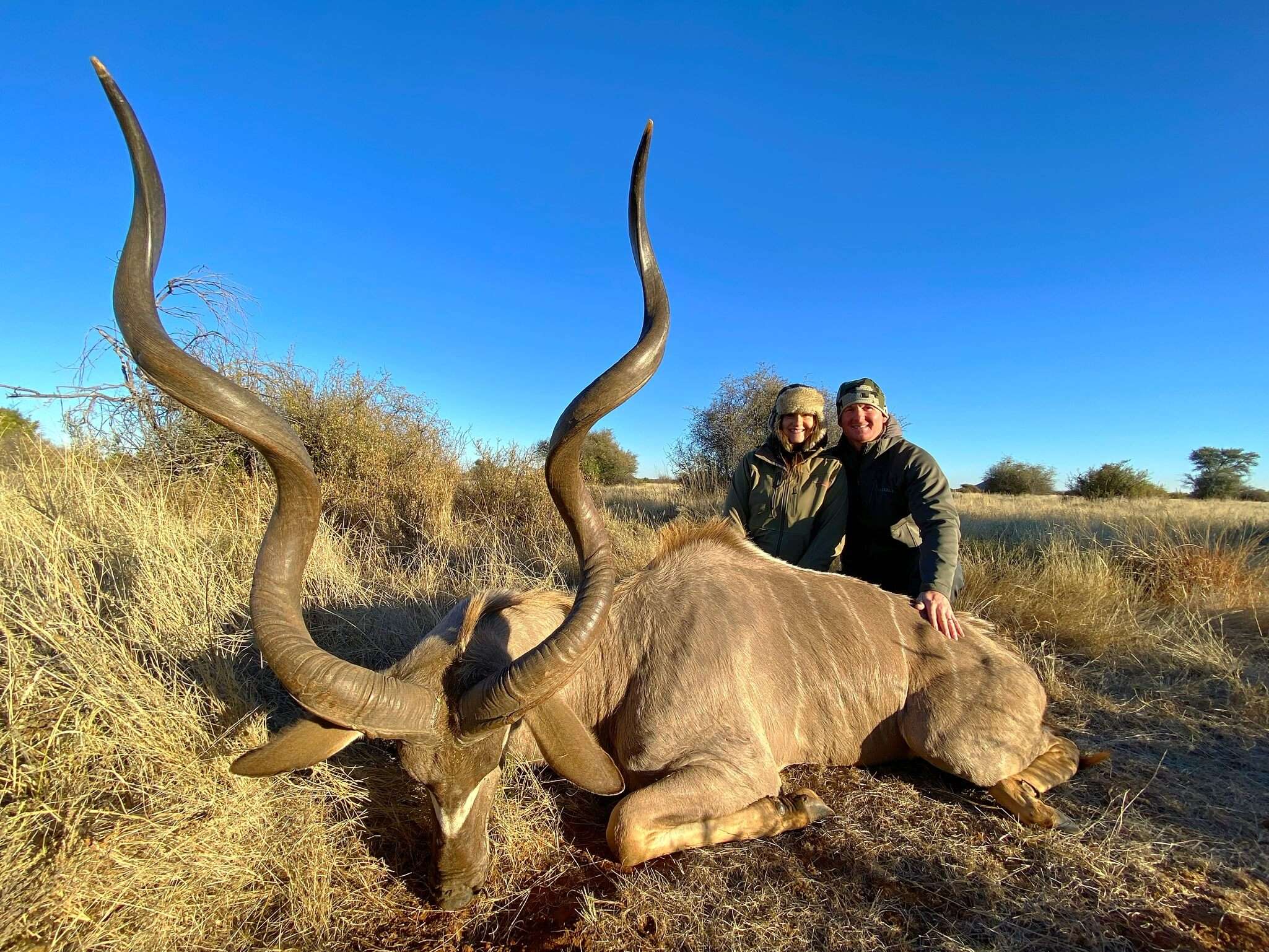
| Kudu | 600 lbs | June | Consistent mature bulls in managed bushveld concessions with structured harvest controls |
| Impala | 140 lbs | May | Reliable populations with strong representation across concessions supported by consistent breeding cycles |
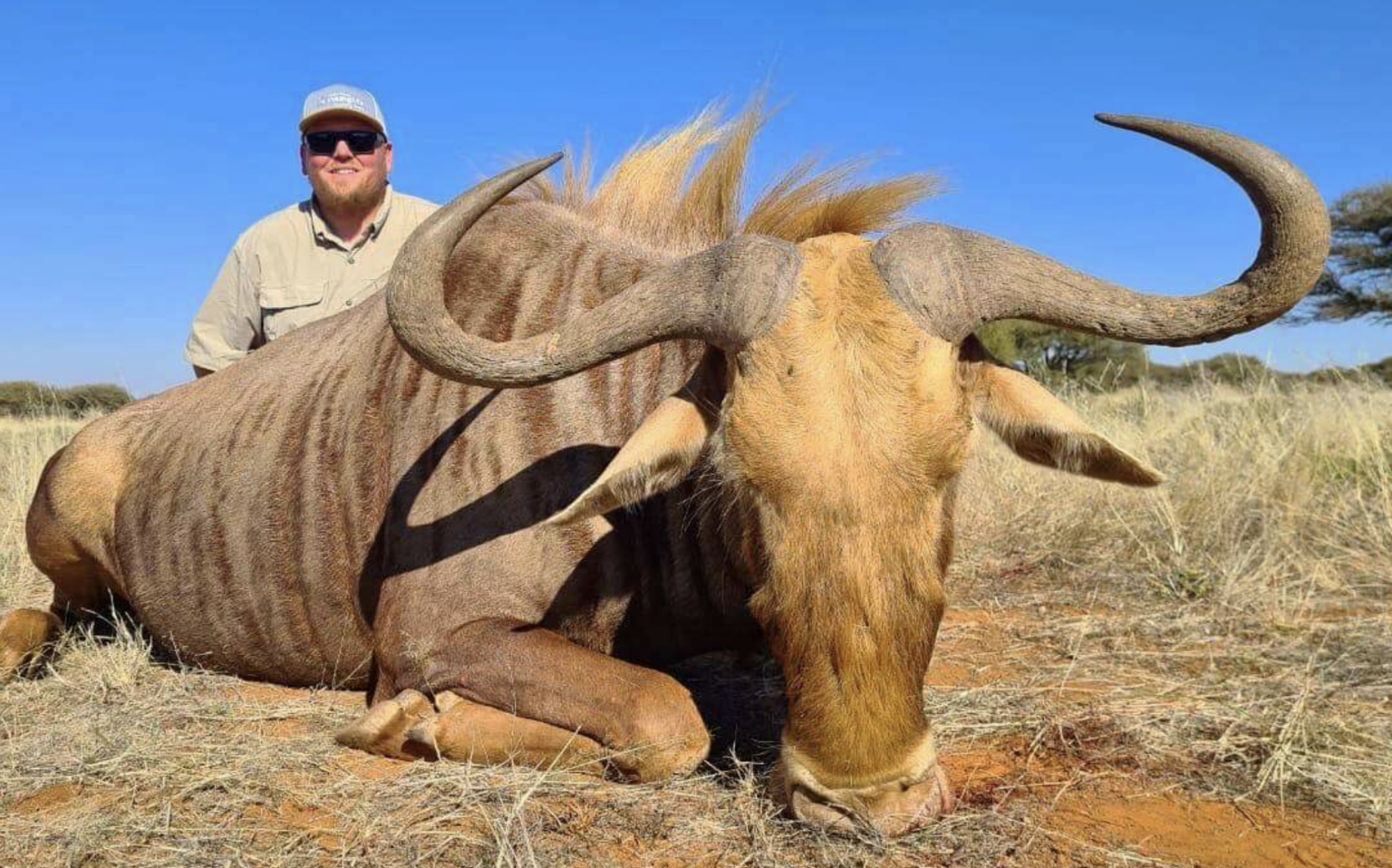
| Blue Wildebeest | 550 lbs | July | Well-established herds in open and mixed terrain systems commonly encountered across plains game concessions |
| Warthog | 180 lbs | August | Stable populations with consistent opportunity across hunting areas within regulated concession environments |
Top Hunting Regions in Limpopo
| Region Name | Vegetation Type | Key Species | Terrain Difficulty |
|---|---|---|---|
| Waterberg | Mountain Bushveld | Eland | Moderate with elevation changes and broken terrain typical of elevated bushveld concessions |
| Lowveld | Mopane Scrub | Buffalo | High due to dense cover and heat-driven conditions common in northern plains game and dangerous game areas |
| Valley Bushveld | Dense Thickets | Nyala | High requiring close-range movement through thick vegetation within tightly vegetated hunting zones |
| Limpopo Valley | Riverine Forest | Bushbuck | Moderate with limited visibility and controlled shot opportunities along river systems and shaded corridors |
Pre-Safari Preparation Checklist for South Africa Hunts
- Verify all rifle permits and temporary import documentation are finalized before arriving at OR Tambo International and align with SAPS 520 requirements and your outfitter-issued invitation documentation.
- Practice shooting from traditional African tripod sticks at various distances to ensure controlled shot execution under field conditions typical of plains game hunting environments.
- Pack lightweight neutral-colored clothing like olive or khaki to blend into the Limpopo hunting environment and adapt to bushveld terrain and temperature shifts during dry-season conditions.
- Confirm your specific trophy list with the outfitter to ensure all permits for restricted species are secured and aligned with your concession and itinerary prior to arrival.
Post-Arrival Operational Checklist in the Field
- Discuss the daily hunting plan with your professional hunter every morning over coffee to review conditions, wind, and movement patterns before entering the concession.
- Inspect all harvested trophies personally to ensure the skinning and salting process meets taxidermy standards before transfer to processing through the PH and camp team.
- Record detailed field notes and take high-quality photos immediately after a successful stalk as part of your hunt documentation and records for personal and export reference.
- Settle all final accounts, including trophy fees and staff gratuities, before departing the hunting lodge in accordance with concession billing and outfitter procedures prior to departure from camp.
Table of Contents
Section 1: PLANNING YOUR SAFARI
Section 2: SPECIES AND TERRAIN
Section 3: LOGISTICS AND ETHICS
Frequently Asked Questions
Section 1: PLANNING YOUR SAFARI
FAQ 1: What is the best time of year for hunting in Limpopo South Africa?
The prime window for hunting in Limpopo, South Africa, runs from May through August during the core dry winter season when conditions are most consistent for plains game hunting across professionally managed concessions.
During this period, daytime temperatures are mild while mornings remain cold, creating comfortable conditions for extended time in the field without the heat pressure typical of later months and supporting longer, controlled hunting days. Vegetation is reduced, improving visibility across bushveld terrain, and animals concentrate more predictably around water sources within managed concessions, allowing for more controlled tracking and approach strategies with PH and tracker coordination.
September through October can also offer productive hunting conditions as the dry season peaks and animal movement remains concentrated, though temperatures increase and require more deliberate planning in the field due to heat and midday slowdowns. Earlier in the season, from April into June, vegetation is still transitioning, and animals may be less pressured depending on concession activity and early-season hunting pressure.
The broader hunting season typically runs from March through October, while the summer months bring heat, rain, and dense vegetation that limit visibility and tracking effectiveness across bushveld environments.
FAQ 2: How do I choose the right caliber for a Limpopo hunting safari?
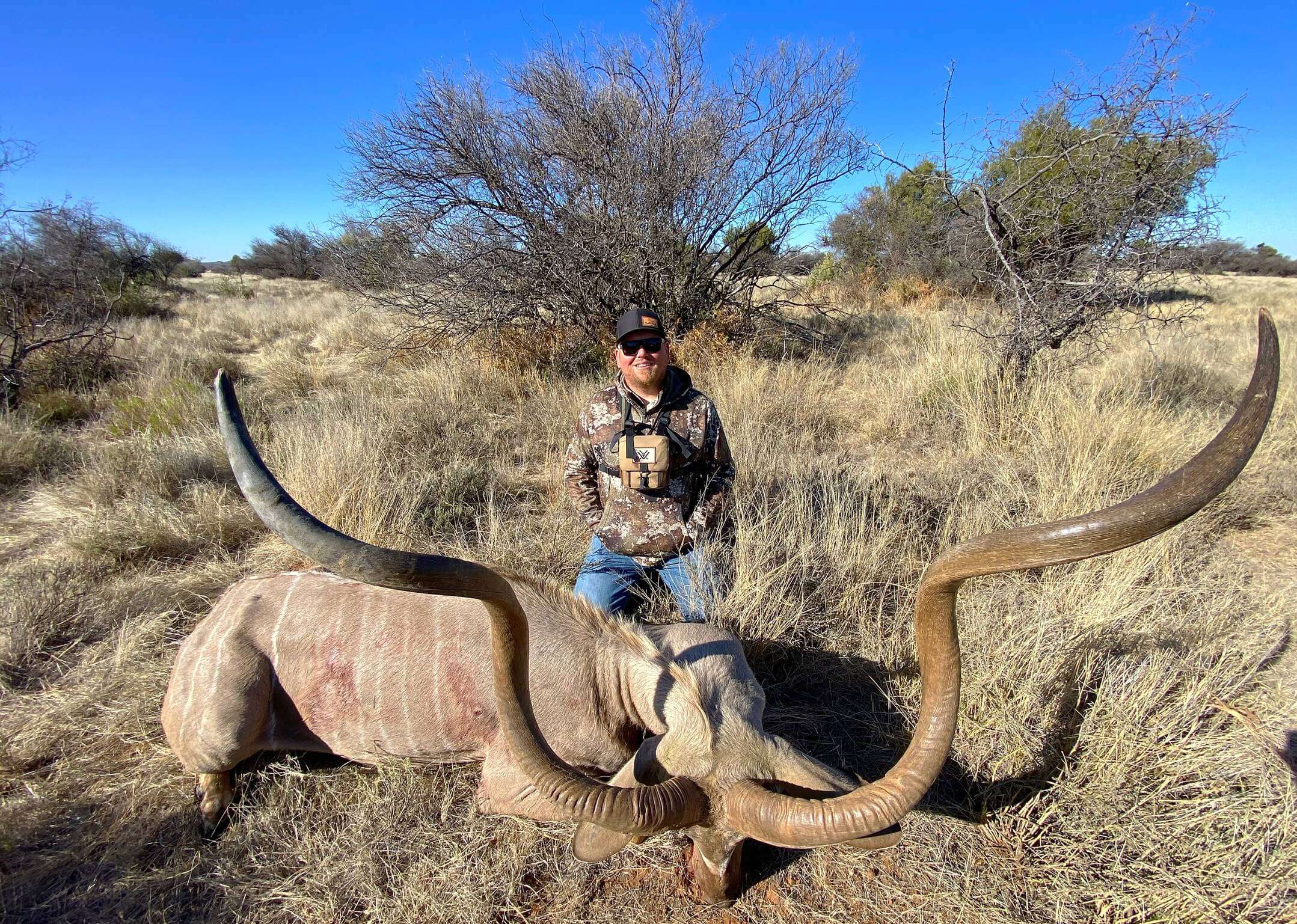
Selecting the right caliber for a Limpopo safari depends on whether you are pursuing plains game or dangerous game, with .30-06 Springfield, .308 Winchester, and .300 Win Mag widely used across structured plains game hunts due to their balance of penetration, accuracy, and manageable recoil across bushveld and mixed terrain conditions. These calibers perform consistently across species such as kudu, impala, and wildebeest within typical bushveld shooting distances encountered on Limpopo concessions. Lighter calibers such as 6.5 Creedmoor, .270, and 7mm can be effective for smaller, thin-skinned species when shot placement and bullet selection are controlled under PH guidance.
For dangerous game, including buffalo, the .375 H&H Magnum remains the minimum standard within regulated hunting frameworks and is widely regarded as the most versatile all-around option for multi-species capability under African hunting conditions. Larger calibers, such as .416 or .458 platforms, may be used for close-range work and specific shot angles under PH supervision, particularly in controlled dangerous game scenarios.
Across Limpopo’s bushveld, shot distances typically range from 70 to 100 yards, with occasional extended shots in more open terrain, making rifle familiarity and shot execution more critical than raw caliber size in real-world hunting conditions. Bullet selection is equally important, with premium controlled-expansion projectiles (e.g., bonded or monolithic bullets) preferred for consistent penetration and terminal performance on medium to large-bodied plains game. For .30-caliber rifles, 180–220 grain bullets are commonly used for reliable field results across a range of species.
Section 2: SPECIES AND TERRAIN
FAQ 3: Which species are most commonly found in hunting places in Limpopo?
Common species found in Limpopo hunting concessions, widely regarded as the center of South Africa’s game ranching system and hosting a significant concentration of the country’s managed game properties, include kudu, impala, blue wildebeest, warthog, and waterbuck, all supported by established, high-density plains game populations under active wildlife management. These species thrive in acacia thornveld and mopane bushveld environments that define much of the province’s hunting terrain across professionally operated private concessions.
You may also encounter nyala, Burchell’s zebra, or eland depending on habitat structure, with riverine and dense brush areas supporting species such as bushbuck within specific concession ecosystems and seasonal movement patterns. Opportunities for dangerous game, including Cape buffalo, are available on qualifying properties under strict regulatory oversight and PH-led operational protocols.
FAQ 4: What makes the Limpopo bushveld terrain unique for hunters?
Limpopo terrain is defined by dense bushveld that creates a controlled, close-range hunting environment shaped by mopane scrub, thornveld, and riverine systems. The mix of thick cover, open savanna pockets, and rocky outcrops means shot opportunities are often taken within 100 paces, demanding disciplined stalking, precise shot execution, and coordination with your PH and tracking team. You will often find yourself navigating wait-a-bit thorns and dry leaf cover that amplify noise and require deliberate foot placement and constant wind discipline under field conditions. High game densities across professionally managed concessions, forming a substantial portion of South Africa’s regulated hunting operations, create consistent opportunity while maintaining structured, conservation-driven harvest systems.
The landscape is functionally demanding and terrain-driven, marked by baobab trees, granite outcrops, and varied elevation that directly influence how hunts are executed across different concessions. Infrastructure across the region supports well-coordinated, high-standard operations, with access, lodging, and logistics aligned to serious hunting programs and PH-led field execution.
FAQ 5: Are bow hunting opportunities available in the Limpopo province?
Yes, bow hunting is widely practiced in Limpopo and is typically conducted within professionally managed concession systems that include purpose-built blinds positioned along water sources and game movement corridors. The density of the bushveld also supports close-range, controlled walk-and-stalk opportunities for experienced bow hunters who can manage movement, wind, and shot discipline under PH supervision.
Most professionally operated hunting concessions are equipped with pit blinds or elevated setups strategically placed based on seasonal movement patterns and water availability. Equipment must meet legal and ethical standards, with sufficient draw weight and arrow energy required for larger plains game species such as eland or zebra in accordance with provincial regulations and species classification. Many operations designate specific areas within the concession to ensure bow hunting is conducted safely and effectively within defined operational zones.
Section 3: LOGISTICS AND ETHICS
FAQ 6: How does hunting contribute to conservation in the Limpopo region?
Hunting in Limpopo operates within structured, revenue-driven wildlife management systems that generate substantial funding for conservation and land stewardship rather than land conversion. Revenue generated through regulated hunting, with Limpopo representing a significant share of South Africa’s hunting economy, supports anti-poaching operations, water infrastructure, and ongoing land and wildlife management across private concessions. This model provides direct financial incentive for landowners to maintain or restore large-scale natural habitat, including the conversion of former cattle land into managed wildlife areas.
By assigning measurable value to wildlife, these systems reinforce long-term conservation investment, species management, and population stability under regulated harvest frameworks. Private conservation areas supported by hunting significantly expand total protected land, while targeted management hunts contribute to ecological balance where populations exceed carrying capacity within specific concession ecosystems. The economic structure also supports rural employment across PH teams, trackers, and conservation personnel, embedding conservation outcomes within local communities.
FAQ 7: What should I expect regarding daily rates and trophy fees?
Daily rates and trophy fees form the standard structure for African safaris, combining a daily operational fee with a pay-per-harvest model aligned to species, quotas, and concession regulations. Daily rates typically cover your professional hunter, tracking team, accommodation, meals, and core field support within a fully guided, PH-led hunting program. For 2027 South Africa hunts with Global Hunting Solutions and 4 Aces Outfitters, the daily rate is $550 per day for one hunter with one Professional Hunter, or $400 per hunter per day for two hunters sharing one Professional Hunter. A non-hunting observer is $250 per day.
Trophy fees are paid only for animals you harvest or legally wound under concession policy and vary significantly by species based on availability, management objectives, and regional pricing structures. As a guide, our 2027 Northern Cape (Kimberley) trophy fees include impala $800, warthog $600, nyala from $2,900, kudu from $3,850, eland from $3,900 and Cape buffalo from $10,500. Limpopo trophy fees are confirmed in your written quote. See our full 2027 price list. Within Global Hunting Solutions operations, daily rates include luxury lodging, professionally prepared meals, PH and tracker support, daily laundry service, in-country transportation, and field preparation of trophies, while trophy fees, airfare, and gratuities are structured separately unless part of a custom itinerary.
FAQ 8: What documentation is required for importing a rifle into South Africa?
Importing a rifle into South Africa requires completion of the SAPS 520 form along with an invitation letter from your registered outfitter aligned with your specific concession and GHS-coordinated itinerary. You will also need a valid passport, proof of ownership from your home country, and supporting documentation confirming hunt purpose, duration, and firearm details.
Within Global Hunting Solutions operations, we assist with firearm import paperwork and logistics to ensure all documentation aligns with South African regulatory requirements prior to arrival. Many hunters utilize a permit clearing agent to manage the airport process, ensuring serial numbers, firearm specifications, and documentation are verified before presentation to SAPS officials. Proper preparation and document organization help maintain a controlled, efficient entry process within South Africa’s regulated firearm system.