
Quick Summary / Key Takeaways
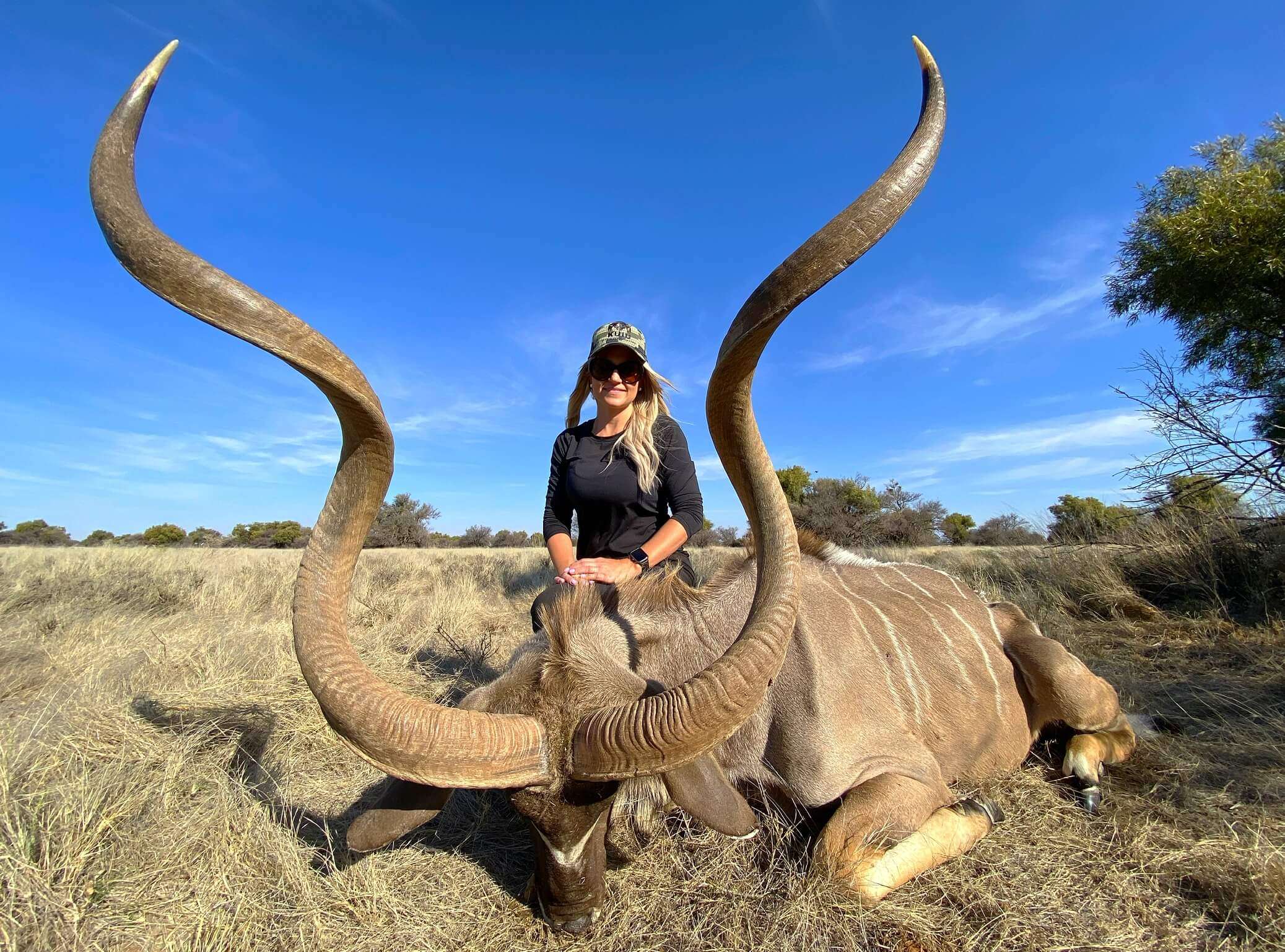
- The dry season (May–October) in South Africa’s Kimberley and Limpopo regions typically provides the most consistent visibility, concentrated water sources, and predictable kudu movement within well-managed private concessions operating under structured quota systems.
- Early mornings and late afternoons are prime times for kudu movement, requiring patient, disciplined stalking.
- Mature kudu bulls use broken terrain, brush lines, and elevation to their advantage. Understanding wind direction, approach routes, and herd behavior is essential for a controlled, accountable shot opportunity.
- Hunt with licensed professional hunters operating under structured quota and land-management systems, ensuring compliance, conservation integrity, and measured harvest accountability.
- Arrive physically prepared and committed to controlled shot placement through the heart-lung complex. Terrain, elevation change, and time behind the glass demand steadiness and restraint, disciplined execution, not urgency.
Introduction
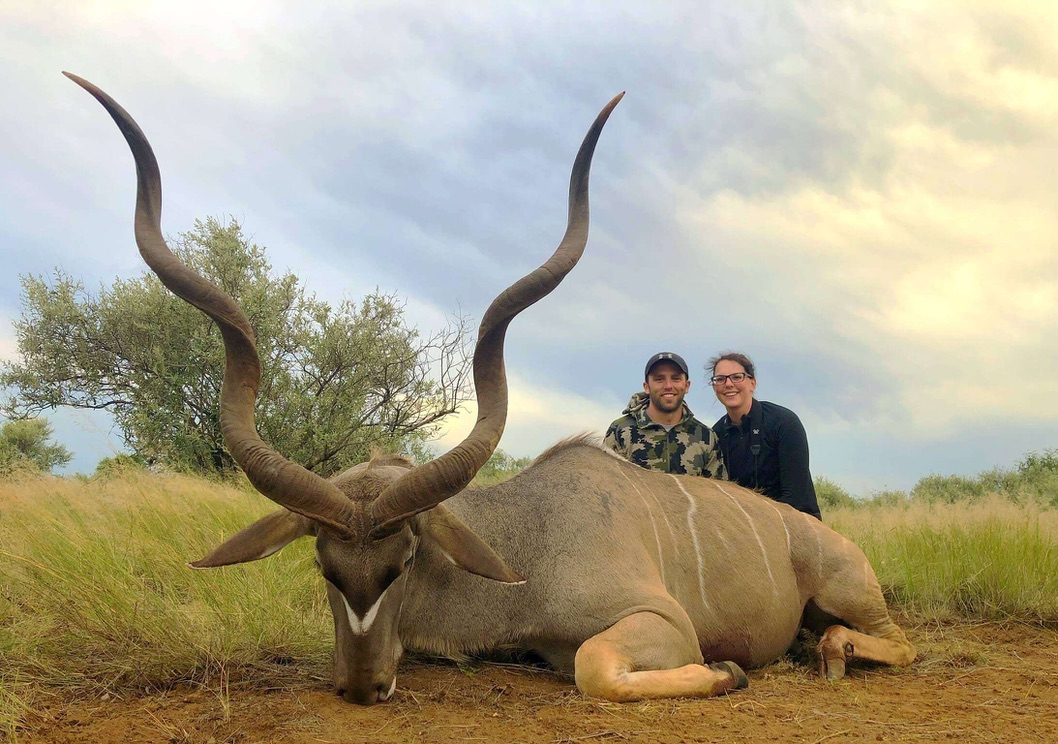
Hunting kudu in South Africa demands respect, patience, and a working understanding of bushveld terrain. The mature kudu bull is known for its caution, elevation use, and tendency to hold in broken cover, qualities that reward disciplined glassing and deliberate approach, not speed. This pursuit is not about spectacle; it is about methodical tracking, wind control, and controlled shot selection within regulated concession environments.
On GHS plains game safaris in the Kimberley and Limpopo regions, success is built on timing, terrain awareness, and professional hunter guidance under structured quota and concession management systems. Dry-season visibility, concentrated water sources, and predictable movement patterns create strategic advantages, but only when matched with patience and physical readiness. Broken hillsides, thornbush, and river bottoms define real kudu country. Understanding how mature bulls use these features is central to earning a disciplined, ethical shot opportunity.
This guide focuses on optimal timing, seasonal movement, and practical field preparation, grounded in the operational realities of a properly conducted GHS safari. The objective is not simply opportunity, but accountable execution under structured land management and conservation standards. In kudu country, every detail matters, from wind to footing to shot angle, and disciplined hunters recognize that the experience is defined by the climb, the stalk, and the restraint required to take a controlled, heart-lung shot under professional oversight.
Best Kudu Hunting Seasons in South Africa
| Season | Months | Kudu Behavior | Hunter Advantage |
|---|---|---|---|
| Dry Season Peak | May-August | Concentrated near limited water sources; increased daylight movement within managed Kimberley and Limpopo concession systems | Excellent visibility, reduced foliage, predictable travel corridors |
| Late Dry Season | September-October | Bulls remain water-dependent but grow more cautious under sustained pressure | Fewer overall hunters in some areas; requires disciplined wind control and patient stalk execution |
| Early Wet Season | November-December | Dispersed as new forage and surface water expand across terrain | Lush conditions; success depends on advanced glassing strategy and terrain knowledge |
| Wet Season (Off-Peak) | January-April | Widely dispersed in dense cover; inconsistent movement patterns | Generally not favored for structured dry-season plains game safaris targeting mature bulls |
Essential Gear for Kudu Hunting in South Africa
| Category | Item | Purpose | Key Consideration |
|---|---|---|---|
| Optics | Binoculars (10×42) | Identifying mature bulls in broken hillsides, thornbush, and river bottoms | Quality glass, wide field of view, low-light clarity for early and late movement windows |
| Rifle & Ammo | .30-06, .300 Win Mag | Controlled heart-lung placement on mature kudu within regulated Kimberley and Limpopo concessions | Proven reliability, familiar recoil profile, bullet construction suited for deep, straight-line penetration |
| Clothing | Earth-toned layered system | Blending into bushveld terrain and managing temperature swings during long glassing sessions and stalks | Quiet fabrics, breathable materials, minimal glare, durability in thorn country |
| Navigation | GPS/Satellite device | Secondary orientation and emergency communication layered under professional hunter leadership | Reliable battery management, pre-loaded regional data, coordinated use within licensed concession boundaries |
Application Preparation Checklist
- Confirm your approved hunt dates, species list, and concession allocation directly with GHS to ensure alignment with regulated Kimberley or Limpopo concession management frameworks.
- Secure all required travel documentation, including passport validity, visa requirements if applicable, and South Africa temporary firearm import permits coordinated in advance of arrival in Johannesburg with documentation reviewed for exact firearm specification match.
- Zero your rifle with your confirmed safari load at practical field distances and practice from shooting sticks in standing and kneeling positions to mirror real concession conditions under realistic time and positional constraints.
- Finalize flight routing, meet-and-assist coordination, and in-country ground transfers through GHS to maintain controlled travel sequencing from arrival to camp without logistical gaps or assumption.
Post-Arrival Checklist
- Confirm proper field preparation, veterinary inspection, and export documentation for your animal through licensed local partners prior to departure from South Africa.
- Review harvest details, distance, angle, conditions, and archive photographs as part of a complete record of execution, not simply a moment, but a documented standard of performance.
- Provide structured feedback to GHS regarding concession conditions, guide coordination, and overall execution standards to support ongoing operational refinement and conservation-aligned management.
- If applicable within concession policy, confirm responsible meat utilization and distribution in accordance with local land-management practices and established concession protocols.Plan for responsible meat processing and distribution if applicable.
Table of Contents
Section 1: Optimal Seasons for Kudu Hunting
- When is the best time of year to hunt kudu in South Africa?
- What are the advantages of hunting kudu during the dry season?
- Are there specific months within the dry season that are better than others?
- What challenges does the wet season present for kudu hunters?
- How does kudu behavior change with the seasons?
Section 2: Preparing for Your Kudu Hunt
- What physical conditioning is necessary for hunting kudu in Africa?
- What rifle caliber is recommended for kudu, and why?
- How important is shot placement when hunting kudu?
- What essential gear should I pack for a kudu hunt?
- How do I choose a reputable outfitter for kudu hunting in South Africa?
Section 3: Kudu Behavior and Habitat
- What kind of terrain do kudu prefer, and how does it affect hunting strategy?
- How do wind and light conditions impact a kudu hunt?
- What are common kudu feeding and watering patterns?
- How do guides track kudu effectively in dense bush?
- What role does conservation play in sustainable kudu hunting?
Frequently Asked Questions
Section 1: Optimal Seasons for Kudu Hunting
FAQ 1: When is the best time of year to hunt kudu in South Africa?
The most consistent window for hunting kudu in South Africa falls within the dry-season period of May through October on regulated Kimberley and Limpopo concessions within the GHS South Africa plains game itinerary led by Travis Wier and licensed professional hunters. Reduced foliage improves glassing efficiency across broken hillsides and thornbush, and limited surface water concentrates movement into more predictable travel corridors. These conditions support disciplined stalk planning, wind control, and responsible shot selection under structured quota and concession oversight. Cooler daytime temperatures also support longer, controlled glassing sessions and sustained physical effort across elevation changes. That said, timing creates opportunity, not outcome. Mature bulls remain cautious throughout the season, and ethical execution depends on terrain awareness, patience, and alignment with your professional hunter operating inside regulated land-management systems designed to protect herd integrity.
FAQ 2: What are the advantages of hunting kudu during the dry season?
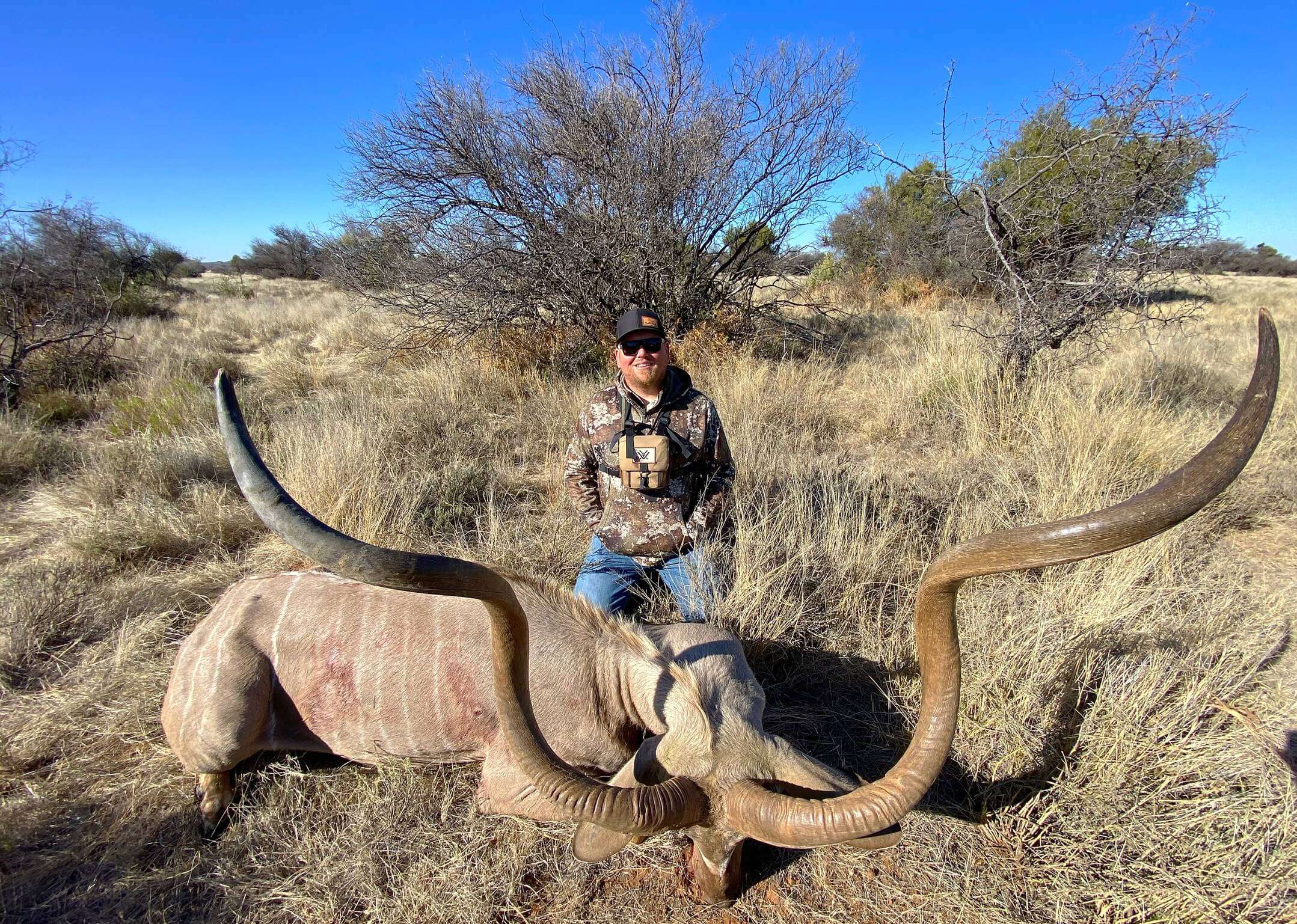
Hunting kudu during the dry season offers measurable field advantages, particularly on regulated Kimberley and Limpopo concessions within the GHS South Africa plains game itinerary hosted by Travis Wier. Reduced foliage improves glassing efficiency across thornbush, broken hillsides, and river bottoms, allowing professional hunters to evaluate mature bulls at a distance before committing to a stalk. Limited surface water also concentrates movement into defined travel corridors, supporting disciplined wind planning and controlled approach strategy inside structured concession boundaries.
Dry-season conditions favor structured execution. Cooler temperatures allow for longer glassing sessions and sustained elevation work without rushing decisions. That said, concentration does not mean complacency; mature bulls remain cautious and terrain-aware. The advantage lies in visibility and predictability, not ease. Ethical opportunity still depends on patience, wind control, and alignment with your professional hunter operating under concession-based quota and conservation standards that prioritize responsible herd management.
FAQ 3: Are there specific months within the dry season that are better than others?
Within the May–October dry-season window on regulated Kimberley and Limpopo concessions, June through August consistently offer the strongest balance of visibility, water concentration, and mature bull movement patterns for kudu. By mid-winter, vegetation has thinned significantly, and surface water is limited, concentrating travel patterns into defined corridors and select water sources. These conditions support disciplined glassing, structured stalk planning, and controlled shot selection under professional hunter oversight within managed concession systems.
That said, no single month guarantees an outcome. Mature bulls remain terrain-aware and pressure-sensitive throughout the season. Cooler winter temperatures allow for longer, deliberate glassing sessions and sustained elevation work without forcing pace. The advantage lies in environmental clarity, not ease. Execution, wind control, and patience remain the defining variables of a properly conducted GHS South Africa plains game safari under quota-based conservation management.
FAQ 4: What challenges does the wet season present for kudu hunters?
The wet season (November–April) introduces structural disadvantages for disciplined kudu hunting on South Africa’s Kimberley and Limpopo concessions within the GHS South Africa plains game itinerary. Dense seasonal growth reduces long-range glassing efficiency across thornbush, river bottoms, and broken hillsides. Mature bulls utilize thicker cover and expanded forage availability, making visual confirmation and controlled stalk planning more complex under regulated concession management. With surface water widely available, movement patterns become less concentrated and less predictable within structured land-management systems.
Operationally, wet-season heat and humidity increase physical strain during elevation work and extended tracking. Footing can be inconsistent, wind behavior shifts more frequently, and insect activity rises. None of these conditions makes hunting impossible, but they reduce environmental clarity. For serious hunters prioritizing disciplined shot opportunity, conservation-aligned quota execution, and structured field control, the dry-season window remains the more consistent strategic choice within a properly conducted GHS safari.
FAQ 5: How does kudu behavior change with the seasons?
Kudu behavior shifts with seasonal moisture, forage availability, and hunting pressure, factors that directly influence how hunts are structured on regulated Kimberley and Limpopo concessions within the GHS South Africa plains game itinerary. During the dry season (May–October), limited surface water and reduced foliage concentrate movement into defined travel corridors, browse lines, and select water sources. Bulls are not careless, but their patterns become more readable, supporting disciplined glassing, wind control, and deliberate stalk planning under professional hunter oversight.
In the wet season (November–April), expanding forage and widespread water distribution reduce movement concentration. Mature bulls utilize thicker cover, broken terrain, and deeper bushveld structure, often holding tighter to elevation, shadow, and escape routes. Visibility decreases, and movement becomes less predictable within concession boundaries. Strategy shifts from pattern-based positioning to patient terrain evaluation, controlled footwork, and closer-range confirmation before committing to a shot. The objective in either season remains the same: controlled approach, wind discipline, and accountable heart-lung placement aligned with quota management and conservation standards.
Section 2: Preparing for Your Kudu Hunt
FAQ 6: What physical conditioning is necessary for hunting kudu in Africa?
Hunting kudu on a GHS South Africa plains game safari in the Kimberley or Limpopo regions requires practical, field-ready conditioning, aligned with real concession terrain and daily hunt structure, not gym-based aesthetics. Expect sustained elevation changes across broken hillsides, controlled movement through thornbush, and long glassing sessions followed by deliberate stalks in uneven terrain. The objective is steady execution under physical stress, not speed or spectacle. Prioritize cardiovascular endurance, leg strength, balance, and load-bearing stability. Regular hiking on varied terrain, stair climbing, and strength work that reinforces core stability and controlled foot placement will translate directly to bushveld performance. Train to manage breathing and heart rate before a shot, because ethical heart-lung placement after a climb demands composure, not fatigue-driven haste. Physical readiness protects discipline, and discipline protects accountable harvest standards within structured land-management systems under professional hunter oversight.
FAQ 7: What rifle caliber is recommended for kudu, and why?
For kudu on regulated Kimberley and Limpopo concessions within the GHS South Africa plains game itinerary, a .30-06 Springfield through .300 Winchester Magnum class cartridge remains a disciplined and field-proven choice. These calibers provide reliable penetration through the heart-lung complex of mature bulls at practical plains game distances when paired with controlled shot placement under professional hunter oversight. Kudu are large-framed, terrain-aware animals; penetration and bullet integrity matter more than raw velocity or excessive energy.
Bullet construction is equally important. Bonded or monolithic projectiles designed for straight-line penetration support accountable harvest standards and conservation-aligned quota execution while minimizing unnecessary tissue damage. The objective is not excess power; it is predictable terminal performance aligned with professional hunter guidance and concession-based conservation management systems.
FAQ 8: How important is shot placement when hunting kudu?
Shot placement is non-negotiable when hunting kudu, particularly on regulated Kimberley and Limpopo concessions within the GHS South Africa plains game itinerary. Mature bulls are durable, terrain-aware animals, and marginal hits can result in extended tracking and unnecessary stress on both animal and hunter. Ethical execution requires disciplined placement through the heart-lung complex based on angle, distance, and posture, not guesswork.
The preferred presentation remains broadside or slightly quartering-away, allowing clean access to the vital organs with adequate penetration. Rushed frontal shots or steep quartering angles increase risk and should only be taken when conditions clearly support a controlled outcome under professional hunter oversight. The objective is certainty, not speed. Responsible shot selection protects conservation standards, recovery integrity, and the operational credibility of a properly conducted GHS safari.
FAQ 9: What essential gear should I pack for a kudu hunt?
For a kudu hunt on a GHS South Africa plains game safari in the Kimberley or Limpopo regions, essential gear centers on field performance and reliability, not excess. Quality binoculars (8x–10x class) and a dependable rangefinder support disciplined glassing across broken hillsides, thornbush, and river bottoms. Pair a familiar, properly zeroed rifle in a proven plains game caliber with sufficient, tested ammunition. Clothing should be quiet, breathable, and layered for early-morning cold and mid-day heat across concession terrain that shifts from open hillsides to dense bushveld.
Sturdy, well-broken-in boots are non-negotiable for elevation changes and uneven footing. A structured daypack for water, spare ammunition, and minimal essentials keeps movement efficient during extended stalks. Include sun protection, basic personal medical needs, and any prescribed medications. Navigation and emergency communication devices should be coordinated in alignment with your professional hunter and concession protocols, not used independently outside licensed boundaries. The objective is disciplined preparation that supports controlled execution within regulated, quota-managed land systems.
FAQ 10: How do I choose a reputable outfitter for kudu hunting in South Africa?
Choosing a reputable outfitter for kudu hunting in South Africa requires evaluating operational credibility, land access, and conservation alignment, not marketing claims. Prioritize operators with documented experience on regulated concessions in regions such as Kimberley and Limpopo, clear licensing compliance, and professional hunters who understand mature bull behavior in broken bushveld terrain. Ethical execution is tied to structured quota systems, disciplined shot standards, and transparent land-management practices, not volume-driven turnover.
Review detailed itineraries, clarify which concessions you will hunt, and confirm how species allocation is managed within licensed frameworks. Ask direct questions about guide experience, tracking protocol, recovery standards, and veterinary/export coordination. Within a properly conducted GHS South Africa plains game safari, these elements are pre-structured and verified through licensed local partners and concession agreements. Transparent communication, clearly defined logistics, and accountability in the field are stronger indicators of professionalism than promotional language. Serious hunters should expect structure, not improvisation.
Section 3: Kudu Behavior and Habitat
FAQ 11: What kind of terrain do kudu prefer, and how does it affect hunting strategy?
Kudu favor broken hillsides, thornbush thickets, river bottoms, and transitional edges that offer elevation, shade, and consistent browse. On regulated Kimberley and Limpopo concessions within the GHS South Africa plains game itinerary, mature bulls often use contour lines, drainage systems, and brush density to monitor wind and movement. Terrain is not incidental; it is their primary defense within structured concession systems managed under quota and conservation oversight.
Strategy must match structure. Effective pursuit begins with disciplined glassing from elevation, reading travel corridors between bedding cover and feeding areas, and planning stalks that respect prevailing wind and thermals common to bushveld terrain. Movement through thorn country requires a controlled pace, quiet footing, and patience, particularly when bulls hold tight in broken cover. Professional hunter oversight is critical in selecting approach angles that protect both visibility and clear access to the heart-lung complex.
FAQ 12: How do wind and light conditions impact a kudu hunt?
Wind and light conditions directly shape how a disciplined kudu hunt is executed on regulated Kimberley and Limpopo concessions within the GHS South Africa plains game itinerary. Mature bulls rely heavily on scent control and terrain positioning. Thermals shift through broken hillsides and river bottoms as temperatures rise and fall, and wind direction must be read continuously, not assumed. Effective stalk planning requires maintaining a controlled approach that keeps scent out of likely bedding cover and travel corridors while coordinating every movement with your professional hunter.
Light conditions further influence movement and visibility. Early morning and late afternoon typically provide the most productive glassing windows, but low-angle light creates shadow pockets that kudu use for concealment. Midday often slows visible movement, pushing bulls into shaded brush lines, elevation breaks, and thicker thornbush. Understanding how light interacts with terrain allows hunters to position for observation without silhouetting themselves or exposing movement that could compromise a controlled approach.
FAQ 13: What are common kudu feeding and watering patterns?
Kudu are selective browsers, feeding on leaves, shoots, seed pods, and seasonal fruit. On regulated Kimberley and Limpopo concessions within the GHS South Africa plains game itinerary, mature bulls typically move from thick bedding cover to structured browse lines during the first and last light movement windows, using broken terrain, shadow, and elevation to control visibility and wind exposure. Feeding activity is strongest in cooler periods, with bulls often staging in contour breaks or brush edges before committing to more open ground.
Water patterns shift with seasonal structure. During the dry season (May–October), limited surface water concentrates movement into defined travel corridors and select water sources, often visited during late morning transitions or pre-evening movement within concession boundaries. In the wet season (November–April), widespread moisture reduces concentration and predictability. Bulls rely more heavily on distributed forage and deeper cover, making water-based patterning less consistent. Strategy must follow environmental structure, not habit, and remain aligned with professional hunter oversight operating under regulated quota and land-management systems.
FAQ 14: How do guides track kudu effectively in dense bush?
Experienced professional hunters and trackers operating on regulated Kimberley and Limpopo concessions within the GHS South Africa plains game itinerary track kudu through disciplined interpretation of spoor, terrain, and wind, never assumption. Fresh tracks are evaluated for edge definition, depth, stride length, and direction of travel. Broken stems, displaced leaves, brushed thorns, and subtle bark rubs are read in sequence, not isolation. Mature bull tracks are distinguished by size, spacing, and movement pattern, allowing trackers to assess age, pace, and intent before committing to a stalk inside structured concession boundaries.
Ground sign is the only component. Effective tracking integrates wind behavior, contour lines, shade pockets, and likely bedding structure. In dense thornbush and broken hillsides, bulls use elevation and shadow to monitor approach routes. Professional hunters coordinate pace and positioning to maintain scent control while anticipating movement corridors based on terrain structure, not impulse. The objective is controlled contact, visual confirmation aligned with an ethical shot opportunity under structured land-management systems and conservation-based quota oversight.
FAQ 15: What role does conservation play in sustainable kudu hunting?
Conservation is not a talking point; it is the operational foundation of sustainable kudu hunting on regulated Kimberley and Limpopo concessions within the GHS South Africa plains game itinerary. Structured quota systems, licensed professional hunter oversight, and managed land access ensure that mature bulls are harvested within defined population parameters, not outside them. Hunting pressure, species allocation, and seasonal timing are aligned with conservation-based management plans that prioritize herd stability, age structure, and habitat integrity.
Revenue generated through properly conducted safaris supports anti-poaching coordination, wildlife monitoring, veterinary oversight, and long-term habitat stewardship within privately managed concession systems. This model ties economic value directly to preservation, incentivizing landowners and local partners to maintain viable wildlife populations and functional ecosystems under regulated provincial frameworks. Ethical execution in the field, disciplined shot placement, responsible recovery, and full compliance reinforce that structure. Conservation is not separate from the hunt; it governs quota, conduct, and accountability from arrival to export.