
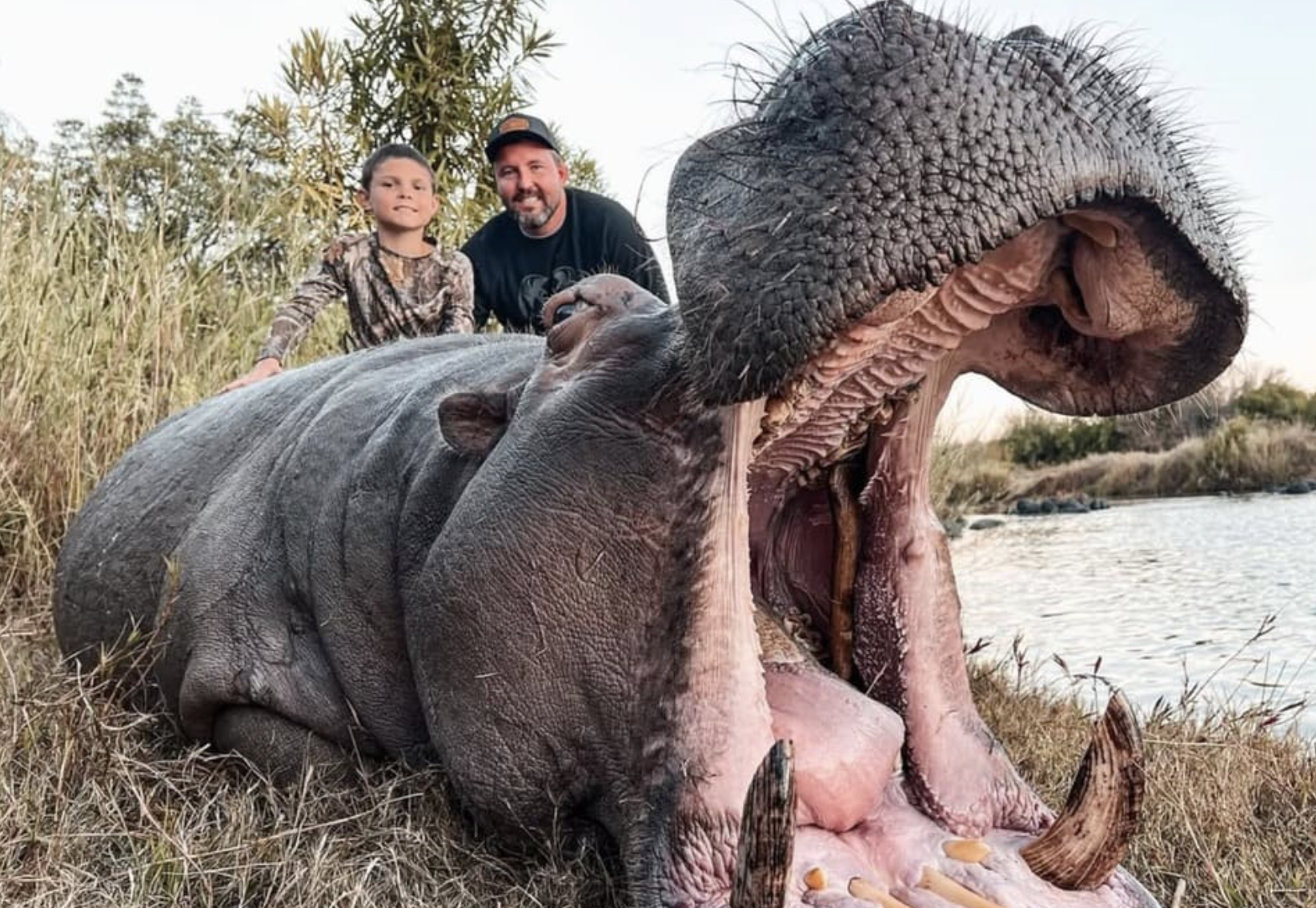
Few places in Africa still feel as wild and unhurried as Mozambique. Across vast floodplains, river systems, and miombo woodlands, hunters can spend days tracking game through unfenced wilderness with little sign of roads, fences, or development. This is Africa on a grand scale, remote, rugged, and shaped by the same landscapes that have carried its wildlife for generations.
For hunters comparing destinations across the continent, Mozambique offers a distinct combination of authentic fair-chase hunting, serious dangerous game opportunities, and a conservation story that continues to unfold. Whether you’re researching hunting in Mozambique for Cape buffalo, considering big game hunting in Mozambique for crocodile or leopard, or evaluating hunting safaris in Mozambique against other African options, understanding what makes the country distinct is essential.
Mozambique earns its reputation not because it tries to be everything to everyone, but because it delivers a specific kind of experience: true free-range hunting in vast wilderness areas where wildlife recovery and conservation remain central to the story. Explore the full destination through the [Mozambique hunting destination page].
[Book Your Hunting Experience]
Why Mozambique Stands Out as a Hunting Destination
Every African hunting destination has its strengths. If you want a safari built around remote wilderness, low hunting pressure, and large expanses of unfenced habitat, Mozambique delivers a distinct dangerous-game experience built around scale, solitude, and fair-chase execution.
The country’s hunting areas stretch across floodplains, riverine systems, coastal deltas, and miombo woodland ecosystems. These landscapes create the kind of environment where tracking and stalking remain central to the hunt rather than simply moving through predictable terrain on a compressed schedule.
If you want authentic fair-chase hunting in pristine wilderness, Mozambique delivers vast regulated coutadas and remote concessions where wildlife moves naturally across the landscape. If you want to pursue dangerous game on foot, Mozambique offers opportunities that emphasize woodsmanship, patience, and fieldcraft.
This is particularly appealing to hunters who already understand the difference between a managed hunting property and a truly wild hunting area. Hunting in Mozambique often means long days on the tracks, glassing floodplains at first light, and covering significant ground in search of mature animals.
Mozambique is not necessarily better than the destinations covered in [Best Hunting Locations in Tanzania], [Guided Hunting Services in Botswana], or [Seasonal Hunting Tips by Region: South Africa]. It is different. The appeal lies in its sense of scale, its recovery story, and the feeling that there are still places in Africa where it remains largely unchanged.
The Coutadas System: Mozambique’s Hunting Concession Framework
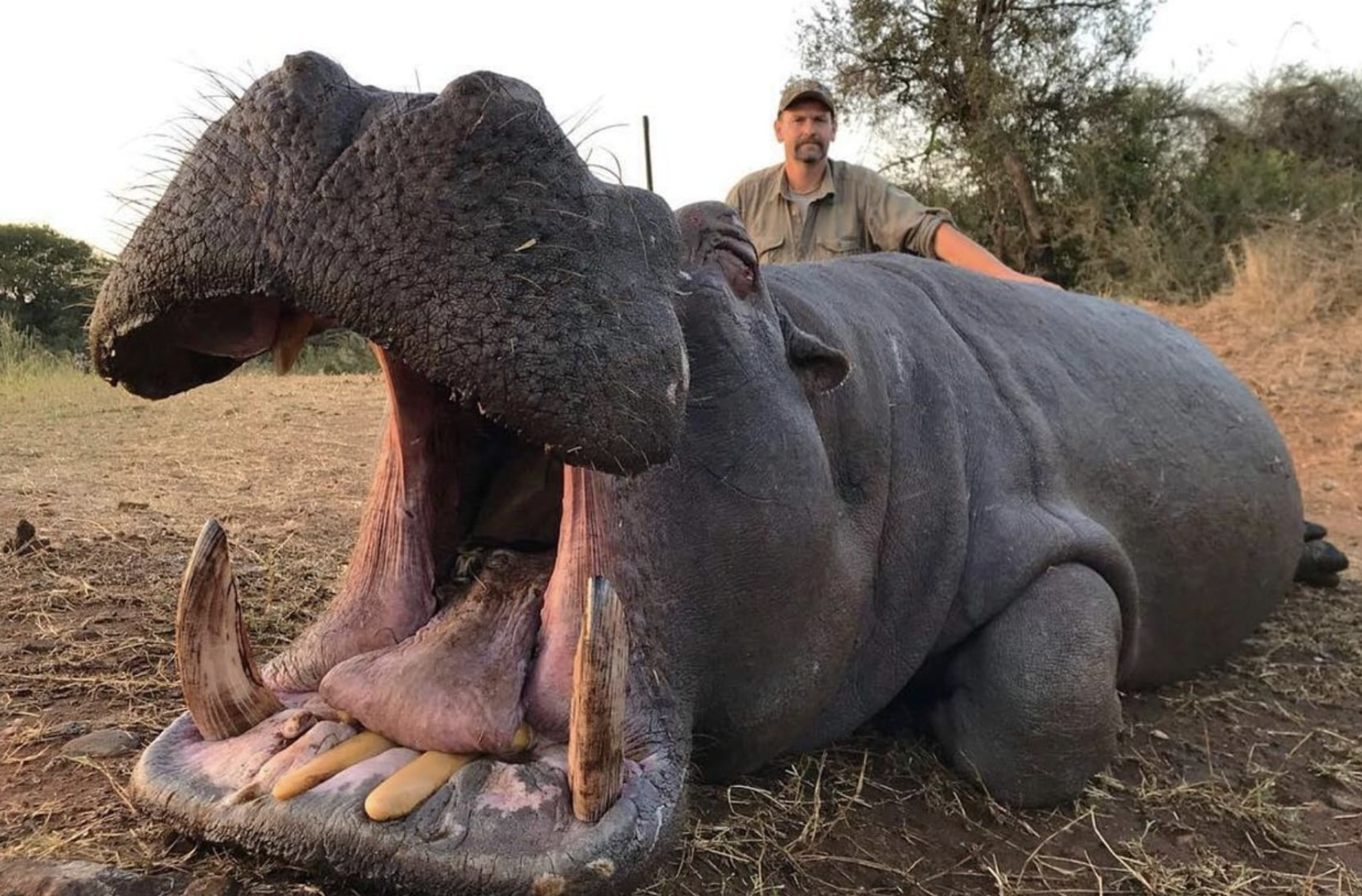
Understanding Mozambique’s hunting system begins with understanding the coutadas.
The term “coutada” comes from Portuguese and refers to a government-designated hunting concession or preserved game-management area managed under Mozambique’s wildlife framework. These concessions are more than hunting areas; they are long-term wildlife management zones where operators are responsible for conservation efforts, anti-poaching activities, habitat protection, and community engagement. Mozambique’s conservation framework recognizes controlled hunting areas, or coutadas, as part of the country’s conservation-area system, with hunting concessions awarded to private operators through formal concession processes.
For hunters, the coutadas provide access to some of the country’s most productive and remote wildlife areas. For conservation authorities, they create accountability by linking wildlife management directly to concession operators through regulated access, management obligations, and harvest controls. ANAC also ties hunting licenses to the annual hunting season, which runs from April 1 to November 30 unless an annual quota decree states otherwise.
In the Zambezi Delta region, public conservation sources identify the Marromeu Complex in Sofala Province as including the Marromeu Special Reserve, forest reserves, and official hunting concessions such as Coutadas 10, 11, 12, and 14. The broader Niassa ecosystem in northern Mozambique is also central to the country’s remote hunting and conservation landscape.
The coutada system is also one of the reasons many hunters researching hunting safaris in Mozambique place significant emphasis on choosing experienced operators. A well-managed concession often reflects years of conservation investment, anti-poaching support, and local community partnerships rather than short-term access alone.
When evaluating hunting outfitters in Mozambique, understanding where they operate and how they manage their concessions can be just as important as the species they offer.
Cape Buffalo: The Marromeu Story
For many hunters, the Cape buffalo is the species that defines dangerous game hunting in Mozambique.
The floodplains and river systems of the Marromeu region have built a reputation for large herds, mature bulls, heavy bosses, and close encounters in thick habitat. This is the kind of challenging hunting experience that serious dangerous game hunters seek.
Buffalo hunting in Mozambique is rarely about convenience. Most hunts begin before sunrise, when professional hunters (PHs) and trackers begin following spoor through floodplain grass, riverine vegetation, and thick cover. The objective is to locate dagga boys or mature herd bulls and close the distance on foot.
This is buffalo hunting in Mozambique at its most traditional. There are no fences directing movement and no guarantees of success. Hunters may spend hours tracking dagga boys through difficult terrain before a responsible shot opportunity presents itself.
The reward is the experience itself: pursuing mature bulls in genuinely wild country where every stalk depends on wind, terrain, patience, and teamwork.
For hunters interested in dangerous game hunting in Mozambique, the Cape buffalo remains the centerpiece species. It embodies the country’s reputation for authentic fair-chase hunting in pristine wilderness and continues to attract experienced hunters who want true free-range hunting, no fences, just wild Africa.
Other Trophy Species: Crocodile, Leopard, Lion, and Elephant
Crocodile Hunting in Mozambique
Nile crocodiles are found across many of Mozambique’s river systems, floodplains, and delta regions, including waterways tied to remote coutadas and the broader Zambezi Delta hunting landscape. Areas associated with the Zambezi Delta and surrounding waterways have long attracted hunters interested in pursuing mature crocodiles.
Crocodile hunting in Mozambique typically involves careful observation, long periods of glassing, and precise shot placement. Spot-and-stalk techniques are commonly used where conditions allow, whether from foot positions or controlled boat access under PH guidance. Mozambique’s hunting license framework runs with the hunting season from April 1 to November 30 unless the annual quota decree states otherwise, and all crocodile hunting must align with ANAC-issued permits, quota availability, and current concession rules.
Where legally permitted and confirmed by the operating outfitter, artificial light may be used for crocodiles under Mozambique’s species-specific night-hunting provisions, but current ANAC requirements must be verified before planning or publication. For hunters specifically interested in crocodile hunting in Mozambique, success depends on patience, field discipline, and the ability to identify mature animals under challenging river and floodplain conditions while avoiding immature animals or any harvest that falls outside concession rules.
Leopard Hunting in Mozambique
Leopard hunting in Mozambique appeals to hunters looking for one of Africa’s most elusive predators in the remote, low-pressure country. Remote wilderness areas, particularly within the greater Niassa ecosystem, have historically supported notable leopard habitat and regulated hunting opportunities.
Most leopard hunts rely on bait-and-blind techniques combined with careful scouting and ongoing monitoring of activity. The process requires patience, legal compliance, PH oversight, and attention to detail, often over multiple days. Mature toms are pursued under quota-based systems, with timing, track confirmation, bait activity, and blind discipline all shaping the hunt.
Leopard is a CITES Appendix I species, so any leopard hunting in Mozambique must be handled through approved government permits, quota availability, export documentation, and the mandatory supervision of a licensed professional hunter (PH). For U.S. hunters, import requirements must be reviewed before booking, because the USFWS requires specific authorization for importing sport-hunted trophies of CITES-listed and ESA-regulated species.
Where legally authorized by the outfitter, concession, and current Mozambican regulations, leopard may be pursued using bait-and-blind methods that require disciplined stand placement, activity monitoring, and strict target confirmation. Females, young animals, and immature animals should remain off-limits under responsible hunting standards and concession rules.
The appeal is not simply the possibility of taking a mature tom but participating in one of Africa’s most traditional predator hunts in a true wilderness setting where restraint, field judgment, and conservation-aligned management matter as much as opportunity.
Lion Hunting in Mozambique
Lion hunting in Mozambique exists within a tightly regulated framework that includes quota management, conservation oversight, and international permitting requirements for mature male lions taken within designated coutadas and approved concession systems.
Lion is currently listed under CITES Appendix II, and trophy imports into the United States are subject to US Fish and Wildlife Service requirements, including prior import authorization for sport-hunted trophies under CITES and the Endangered Species Act. For U.S. hunters, this means import planning must begin before travel, not after the safari.
In regulated Mozambique lion hunting, hunters should expect strict quota availability, government-issued licensing, PH supervision, and age-based harvest standards focused on mature males. Niassa’s lion management system has specifically used minimum-age rules for male lions, reinforcing the need for mature-animal selection, documented monitoring, and conservation oversight.
Lion safaris are typically long-duration dangerous game hunts because baiting, track confirmation, and mature male identification take time. Where current Mozambican law and concession rules allow night hunting with artificial light, those methods must be confirmed in advance with the outfitter and relevant authorities before planning or publication.
Hunters considering lion safaris should fully understand the permitting process before making travel arrangements and should not assume U.S. import eligibility without current USFWS confirmation for the specific hunt, country, and trophy documentation package.
Elephant Hunting in Mozambique
Elephant hunting in Mozambique is one of the most heavily regulated aspects of African hunting and should be approached with full transparency around permits, quotas, and international import limits.
African elephants from Mozambique fall under CITES Appendix I controls, and trophy imports into the United States face significant restrictions. USFWS requires an ESA threatened species permit and an enhancement finding before an African elephant sport-hunted trophy can be imported into the United States, so hunters should not assume import eligibility based on hunt availability alone. Import rules can shift based on current regulatory decisions, country-specific findings, and the documentation package tied to the specific hunt.
Where elephant hunting is legally available in Mozambique, it must operate through licensed outfitters, authorized quotas, species-specific permits, and designated concession systems. Mozambique’s hunting license framework is tied to an annual hunting season that runs from April 1 to November 30 unless the annual quota decree provides otherwise.
Where elephant hunting occurs, it is generally managed through conservation-based quota systems designed to balance wildlife management objectives with broader conservation goals, including habitat protection, anti-poaching support, and community-linked concession management. Any elephant hunt should be reviewed with GHS, the operating outfitter, Mozambique’s relevant authorities, and current USFWS requirements before travel or trophy planning begins, so expectations are clear before the safari is booked.
Mozambique’s Wildlife Recovery: A Conservation Story Worth Knowing
One of the most compelling aspects of Mozambique’s hunting story has little to do with trophies.
Between 1977 and 1992, Mozambique’s civil war had devastating effects on wildlife populations across many parts of the country. Poaching, instability, and the breakdown of conservation infrastructure resulted in significant declines among numerous species.
Recovery has been gradual and remains ongoing, but conservation organizations, government agencies, concession operators, and local communities have all contributed to rebuilding wildlife populations in key areas.
Peer-reviewed research, conservation authority reporting, and wildlife survey programs have documented recovery and management efforts in landscapes such as the Niassa ecosystem and the Marromeu region. A Marromeu Complex aerial survey reported steady population growth across most species over the prior decade and estimated more than 10,300 African buffalo in the complex, while a later Marromeu census described the area as managed for conservation, sustainable use through safari hunting, and human-wildlife conflict mitigation.
Today, many hunting concessions operate under scientifically managed quotas that support habitat protection, anti-poaching efforts, and local communities. While challenges remain, Mozambique’s conservation story demonstrates how long-term wildlife management can contribute to recovery when supported by meaningful investment, field-level enforcement, and accountability.
For hunters interested in a hunting safari in Mozambique, understanding this broader conservation context is an important part of understanding the destination itself.
What Drives Safari Cost in Mozambique
Safari pricing in Mozambique is influenced by several factors, many of which relate directly to the country’s remote geography and concession-based hunting structure.
Because hunting in Mozambique often takes place in remote coutadas and unfenced wilderness areas, many hunting areas require charter flights or light aircraft transfers to reach remote bush camps. Logistics alone can represent a significant portion of safari planning.
Professional hunter (PH) day rates, concession fees, government licensing requirements, species-specific fees, and documentation requirements can all affect overall cost. Certain species may also involve additional permitting, CITES documentation, or export documentation considerations.
Because every safari is different, most operators provide customized proposals rather than fixed pricing. Package pricing is typically tailored to the species pursued, safari duration, travel requirements, camp access, firearm documentation needs, and specific hunt objectives.
Hunters researching hunting safaris in Mozambique should focus on understanding what is included in a safari package rather than comparing numbers in isolation, especially when remote access, full-service guiding, concession quality, and post-hunt documentation are part of the experience.
Planning Your Mozambique Hunting Safari
Best Time to Hunt
Mozambique’s primary hunting season generally runs from April 1 through November 30, unless the annual quota decree states otherwise.
Many hunters prefer June through September because temperatures are cooler and tracking conditions are often favorable. August through October is frequently considered productive for predator hunting, while November can be an excellent month for pursuing mature buffalo.
Seasonal conditions vary by concession, species, and region, making early planning important.
Travel and Entry Logistics
Most international travelers from the United States route through Johannesburg before connecting into Mozambique via Maputo, Pemba, or charter aircraft, depending on the coutada and final camp location.
From there, charter flights and light aircraft transfers are commonly used to access remote concessions. Travel logistics can be more complex than in some other African destinations, but the reward is access to remote coutadas, coastal bush, floodplains, and river systems that define Mozambique’s expedition-style safari experience.
Firearms and Documentation
Hunters traveling with firearms must obtain the appropriate Mozambique firearm import documentation before arrival through their licensed outfitter, with permits arranged and approved in advance.
Current guidance generally recommends beginning the permitting process at least 8–12 weeks before travel. Your outfitter typically submits the required documentation to Mozambican authorities, including passport details, firearm serial numbers, caliber information, and safari dates. Dangerous game hunters typically use rifles chambered in .375 caliber or larger, while plains game hunters commonly rely on .30-06, .300-class calibers, or larger rifles suited to the species and terrain.
Firearm limits are strict. Hunters are generally limited to two or three firearms, depending on outfitter guidance and current permit approval, with ammunition restricted to the approved calibers being imported. Automatic, semi-automatic, and military-style firearms are prohibited, and airline rules typically cap ammunition at 11 lbs (5 kg) per passenger in a separate, lockable container.
Hunters transiting South Africa may also require SAPS 520 documentation or other temporary firearm import authorization, depending on routing and transit conditions.
US hunters should also complete Customs Form 4457 before departure to simplify firearm re-entry procedures when returning with the same registered firearms.
Why Choose Global Hunting Solutions
Planning an African safari is about more than selecting a destination. It is about working with people who understand the realities of hunting on the ground and can guide you through the process from start to finish.
Global Hunting Solutions operates through 4 Aces Safari Outfitters Africa, led by Travis Wier and Adam Barnard, giving hunters direct access to the people who run the hunts. No booking agents. No middlemen. No handoffs.
When you hunt with the owners, you’re working directly with experienced professionals who understand concession selection, travel logistics, firearm documentation, and species-specific planning for remote Mozambique safaris.
Where Luxury Meets Adventure is more than a slogan. It reflects the goal of providing remote bush camp comfort, full-service guiding, and professional support while preserving the authenticity of the hunting experience itself.
From travel coordination and firearm import assistance to arrival logistics and safari planning, the focus remains on helping hunters spend less time navigating paperwork and more time preparing for the experience ahead in Mozambique’s unfenced wilderness and remote coutada systems.
[Book Your Hunting Experience]
To learn more about hunting in Mozambique or discuss your goals for an upcoming safari, contact Travis Wier at 214-707-5833 or reach out through [contact page].
Frequently Asked Questions
What is a coutada, and how does it work for hunters in Mozambique?
A coutada is a government-designated hunting concession or preserved game-management area managed under Mozambique’s wildlife conservation framework. These remote concession areas are managed under regulations that require wildlife management, anti-poaching efforts, and community involvement.
For hunters, coutadas provide access to authentic fair-chase hunting in regulated wilderness settings while helping support long-term conservation goals through concession oversight, scientifically managed quotas, and habitat stewardship.
What dangerous game species can be legally hunted in Mozambique?
Mozambique is best known for the Cape buffalo, Nile crocodile, and leopard, with opportunities for other dangerous game species such as lion and elephant potentially available in certain concessions and under specific quota systems.
Hunting regulations, quotas, and available species can vary by area and season, so it is important to confirm current availability and permit requirements before booking a safari. Lion and elephant require additional regulatory review, CITES documentation, and import-planning caution, especially for U.S. hunters who should not assume trophy import eligibility without current USFWS confirmation.
Can US hunters import lion or elephant trophies from Mozambique?
Not automatically. US hunters should treat lion and elephant trophy imports from Mozambique as case-specific, permit-dependent, and subject to current U.S. Fish and Wildlife Service (USFWS) review. Both species are also subject to CITES requirements. Lion is listed under CITES Appendix II, while African elephant populations from Mozambique fall under CITES Appendix I controls.
Import policies can change, so hunters should verify current permit requirements before booking or finalizing a safari involving either species. Do not assume import eligibility based on hunt availability alone. Confirm current USFWS, CITES, and Mozambique-specific documentation requirements with GHS, the operating outfitter, and the relevant authorities before making travel or trophy plans.
What is the best time of year to hunt Cape buffalo in Mozambique?
The primary hunting season generally runs from April 1 through November 30, unless the annual quota decree states otherwise. Many hunters prefer June through September for cooler temperatures and favorable tracking conditions, while November is often considered an excellent month for pursuing mature buffalo because dry-season pressure can concentrate movement around water, floodplain edges, and established travel routes where PHs and trackers can follow fresh spoor for dagga boys and mature bulls.
What firearms and calibers are required for dangerous game hunting in Mozambique?
A .375 H&H Magnum rifle is generally considered the minimum for dangerous game such as Cape buffalo and other thick-skinned dangerous game species, depending on outfitter, concession, and permit requirements. Hunters should begin the firearm import process well in advance through their licensed outfitter and verify all permit requirements before travel, as regulations can change.
Mozambique firearm imports typically require advance approval, firearm serial numbers, caliber details, and ammunition matched to the approved firearms. Automatic, semi-automatic, and military-style firearms are prohibited, and airline ammunition weight limits still apply when traveling with ammunition internationally.
How do I start planning a Mozambique hunting safari with Global Hunting Solutions?
The process begins with a conversation about your goals, preferred species, available dates, and the type of hunt you want to build, whether that means pursuing Cape buffalo, leopard, crocodile, plains game, or a combination safari. Global Hunting Solutions helps coordinate concession selection, travel logistics, firearm import documentation, and safari planning for remote Mozambique coutadas and unfenced wilderness camps.
You’ll work directly with the people who run the hunts from the initial consultation through your arrival in camp, with Travis Wier and Adam Barnard operating through 4 Aces Safari Outfitters Africa. No booking agents. No middlemen. Start through our [Contact Page].
Final Thoughts
The best-planned hunting safaris in Mozambique start long before you arrive in camp. Understanding the coutadas system, seasonal timing, species opportunities, travel logistics, and current regulations helps you make an informed decision for your goals and expectations.
For hunters looking at Mozambique alongside destinations such as [Best Hunting Locations in Tanzania], [Guided Hunting Services in Botswana], or [Seasonal Hunting Tips by Region: South Africa], the appeal is clear: vast unfenced wilderness, authentic fair-chase hunting, and a conservation story that continues to shape the country’s future.
If you’re considering a safari and want to discuss species, timing, or the right concession for your hunt, [Book Your Hunting Experience] with Global Hunting Solutions. We’ll help you evaluate the route, species plan, logistics, and concession fit before you commit to a Mozambique hunt.