
Quick Summary / Key Takeaways
- South African plains game hunting requires disciplined preparation, controlled ethical pressure, and strict adherence to quota-driven conservation systems rather than opportunistic or volume-based approaches.
- Successful execution depends on accurate terrain reading, from open savanna to thornbush and grassland, and applying species-specific stalking, wind management, and pacing rather than generic tactics.
- Senior, professionally licensed guides and registered Professional Hunters operating under GHS leadership are essential for concession access, safety control, tracking execution, and full legal compliance throughout the hunt.
- Conservation-aligned game management is the operational foundation of credible plains game hunting in South Africa, supporting habitat protection, wildlife monitoring, and long-term land stewardship through regulated use.
- A true Global Hunting Solutions (GHS) luxury experience is defined by curated itineraries, private concessions, controlled hunt tempo, and precision logistics, elevating execution quality and ethical integrity rather than spectacle or excess.
Introduction
South Africa offers one of the world’s most structured and conservation-driven plains game hunting environments, particularly when pursued under professionally managed, fair-chase conditions. This is not about volume or spectacle; it is about disciplined execution, environmental awareness, and ethical decision-making in diverse terrain. For the serious hunter, understanding what defines plains game hunting in South Africa means recognizing how preparation, field structure, and conservation frameworks shape every outcome.
The country’s open savanna, thornbush systems, and rolling grasslands create distinct tactical demands that reward patience, wind discipline, and controlled movement. Each stalk and approach is dictated by terrain, visibility, seasonal pressure, and animal behavior, particularly for species such as kudu, gemsbok, and impala, which thrive in these varied ecosystems.
This guide presents a Global Hunting Solutions (GHS) perspective on South African plains game hunting, grounded in field leadership, ethical pressure, and conservation accountability developed through Travis Wier’s decades of hands-on guiding and international hunt execution. The focus is not on promotion, but on understanding how credible plains game hunts are planned, executed, and evaluated, for hunters who value integrity, precision, and experiences that stand on their own merit long after the hunt concludes.
Key Plains Game Species & Typical Habitat (GHS Field Context)
| Species | Primary Habitat | Hunting Challenge | Recommended Caliber |
|---|---|---|---|
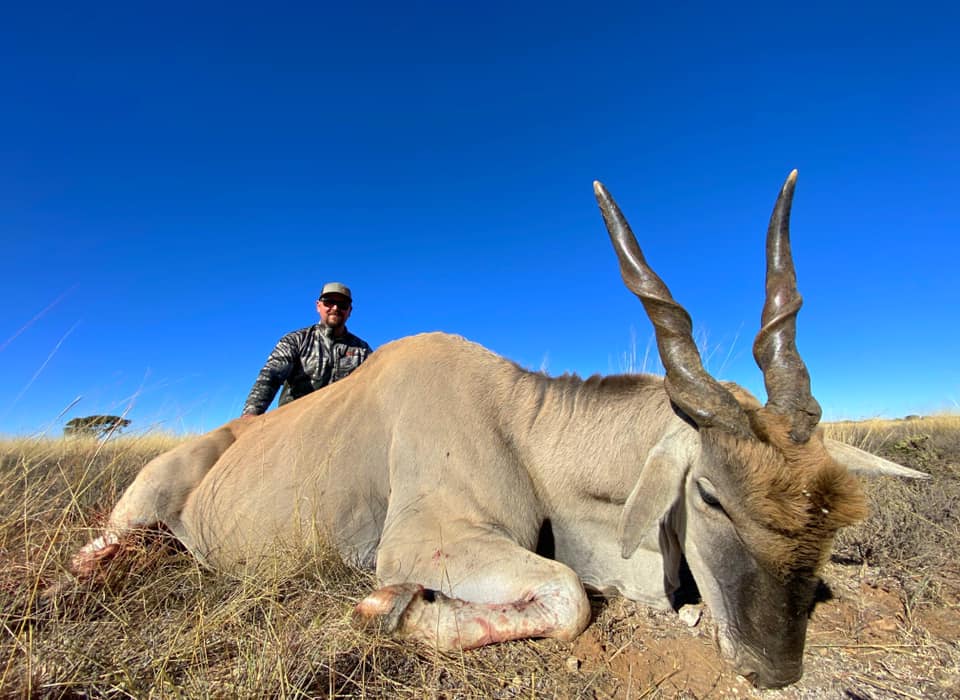
| Kudu | Dense bushveld, broken river systems, and mixed thorn cover | Exceptionally wary, with acute hearing and vision; demands disciplined wind management and controlled approach execution | .30-06, .300 Win Mag |
| Gemsbok | Arid plains and semi-desert terrain such as the Kalahari | Highly resilient animals encountered at extended distances, requiring precise shot discipline and terminal performance | .300 Win Mag, .338 Win Mag |
| Impala | Open savanna with bushveld transition zones | Fast-moving herd dynamics and narrow shot windows demand calm target selection and exact shot placement | .270, 7mm-08 |
| Wildebeest | Open grasslands and acacia savanna systems | Physically tough, herd-driven movement patterns requiring deliberate shot execution and follow-through | .30-06, .300 H&H |
Essential Gear for South African Plains Game Hunting (GHS Field Standard)
| Category | Item | Key Specification | Importance |
|---|---|---|---|
| Firearm | Bolt-Action Rifle | .30-06 to .375 H&H, field-proven reliability across mixed terrain | Consistent accuracy and ethical terminal performance across GHS plains game species |
| Optics | Binoculars (10×42) | High-grade glass, rugged housing, fully waterproof | Long-range glassing, movement confirmation, and terrain reading before stalk commitment |
| Clothing | Layered Field Wear | Quiet technical fabrics, breathable insulation, earth-tone palette, abrasion resistance | Thermal control, concealment, and adaptability across long winter hunt days |
| Footwear | Broken-in Hunting Boots | Firm ankle support, waterproof construction, quiet and stable sole | Sustained endurance and safe movement through thornbush, rock, and uneven ground |
Application Preparation Checklist
- Confirm all firearm permits, temporary import approvals, and travel documents are in alignment with the specific GHS destination, itinerary length, and approved species plan.
- Validate rifle zero and field accuracy using shooting sticks and practical field positions consistent with GHS plains game or regulated dangerous game protocols.
- Finalize species priorities, physical readiness, and terrain tolerance with Global Hunting Solutions (GHS) to lock hunt pacing, concession allocation, and daily execution structure.
- Prepare season-appropriate clothing, footwear, and essential gear matched precisely to the GHS itinerary’s climate window, terrain demands, and daily movement expectations.
Post-Arrival Checklist
- Review hunt footage and notes to analyze shot placement, stalking strategies, and guide communication.
- Confirm trophy field preparation, dip-and-pack, and export logistics through GHS-supervised processes and vetted compliance partners.
- Provide execution-focused feedback to Global Hunting Solutions, addressing logistics coordination, safety leadership, pacing discipline, and overall operational control.Provide detailed feedback to your outfitter to help refine future hunting experiences and operations.
- Assess the hunt against ethical standards, conservation outcomes, and personal performance to inform future GHS-led itineraries in South Africa or Spain.
Table of Contents
Section 1: Understanding South African Plains Game Hunting
- What exactly defines plains game in South Africa?
- How does the terrain in South Africa influence plains game hunting?
- What are the most commonly hunted plains game species in South Africa?
- Why is ethical conduct paramount in South African plains game hunting?
Section 2: Preparation and Logistics for Your Hunt
- What permits and documentation are essential for hunting in South Africa?
- How should I select the right rifle and caliber for plains game?
- What physical preparation is necessary for a successful plains game hunt?
- How do professional hunting outfitters manage logistics for clients?
Section 3: The Hunting Experience and Field Craft
- What stalking techniques are most effective for different plains game species?
- How important is shot discipline when hunting plains game?
- What role do local professional hunters play in the overall experience?
- How does conservation integrate with plains game hunting practices?
Section 4: Post-Hunt Considerations and Legacy
- What is the process for trophy preparation and export?
- How can hunters ensure their experience supports sustainable game management?
- What lasting impact does a South African plains game hunt have on the hunter?
Frequently Asked Questions
Section 1: Understanding South African Plains Game Hunting
FAQ 1: What exactly defines plains game in South Africa?
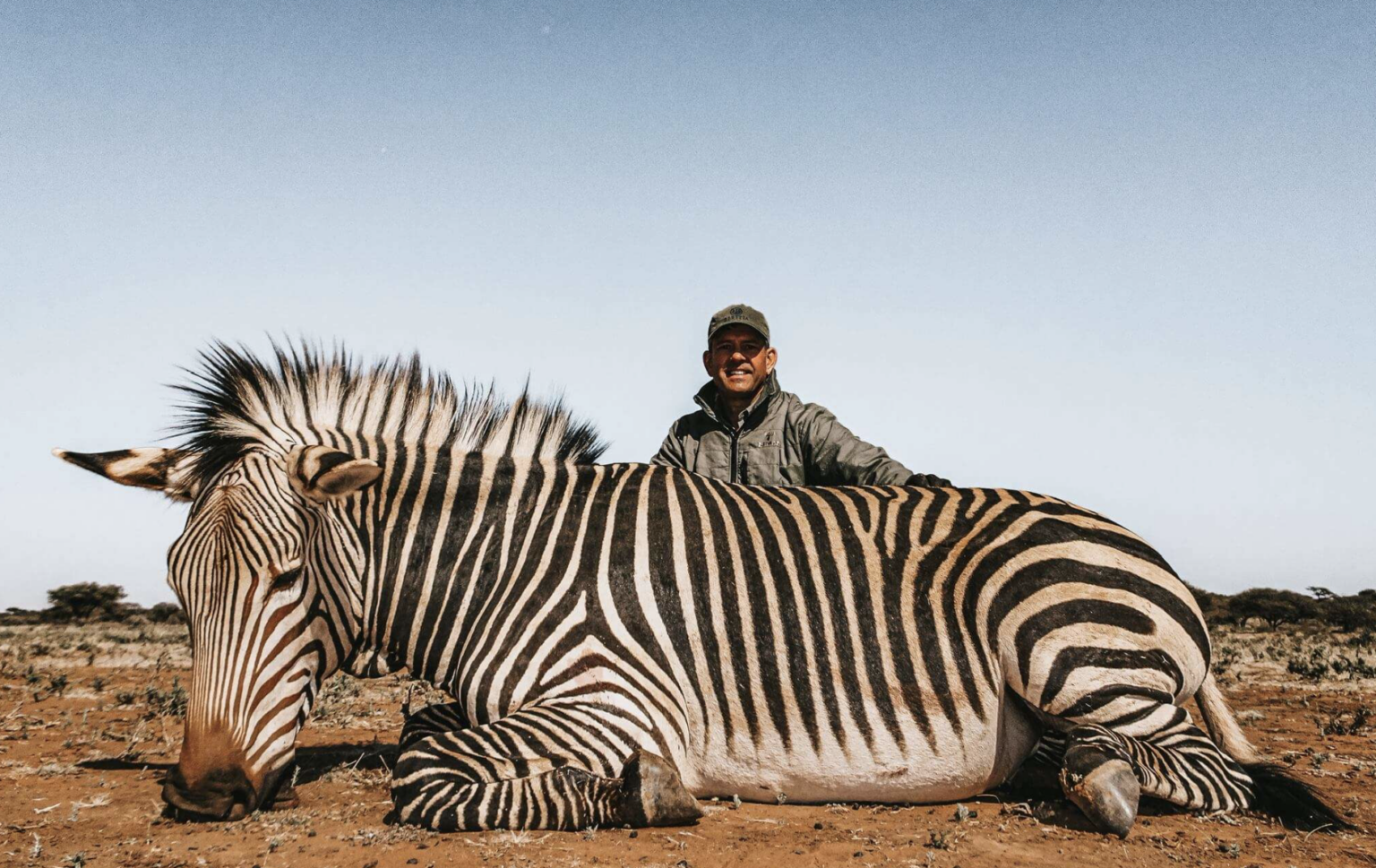
Plains game in South Africa refers to free-ranging, non-dangerous herbivore species harvested within province-regulated, quota-based conservation systems that inhabit the country’s open savanna, grassland, and mixed bushveld environments. These species commonly include kudu, gemsbok, impala, wildebeest, zebra, and springbok, and are distinguished operationally from regulated dangerous game by risk exposure, engagement distance, and hunt control requirements, not by difficulty. Plains game hunting is characterized by disciplined, fair-chase spot-and-stalk execution across varied terrain, where success depends on wind management, terrain reading, assessing animal behavior, and precise shot discipline rather than proximity or volume. Within Global Hunting Solutions (GHS) itineraries, plains game hunts are treated as structured, ethically controlled field operations that reward patience, planning, and conservation awareness, forming the backbone of South Africa’s sustainable hunting framework rather than an entry-level pursuit.
FAQ 2: How does the terrain in South Africa influence plains game hunting?
South Africa’s regionally varied terrain, ranging from arid semi-desert and open savanna to dense bushveld and broken river systems, directly governs how plains game hunts are planned and executed. Hunters must adjust stalking pace, engagement distance, and movement discipline to match each environment, whether managing visibility and wind in open plains for gemsbok or controlling noise, angles, and approach lanes in thorn-heavy bushveld for kudu. Terrain also dictates daily pacing, physical demand, and shot windows, requiring hunters to read how animals use cover, elevation, and escape routes under active Professional Hunter direction rather than relying on static tactics.
Within Global Hunting Solutions (GHS) itineraries, terrain is treated as an operational variable that shapes concession selection, species strategy, and safety control rather than a scenic backdrop. Plains game success is driven by terrain-specific execution, wind discipline, and controlled movement, integrated into daily hunt structure, approach planning, and risk management, reinforcing why South African plains game hunting rewards preparation, adaptability, and field awareness over repetition or volume.
FAQ 3: What are the most commonly hunted plains game species in South Africa?
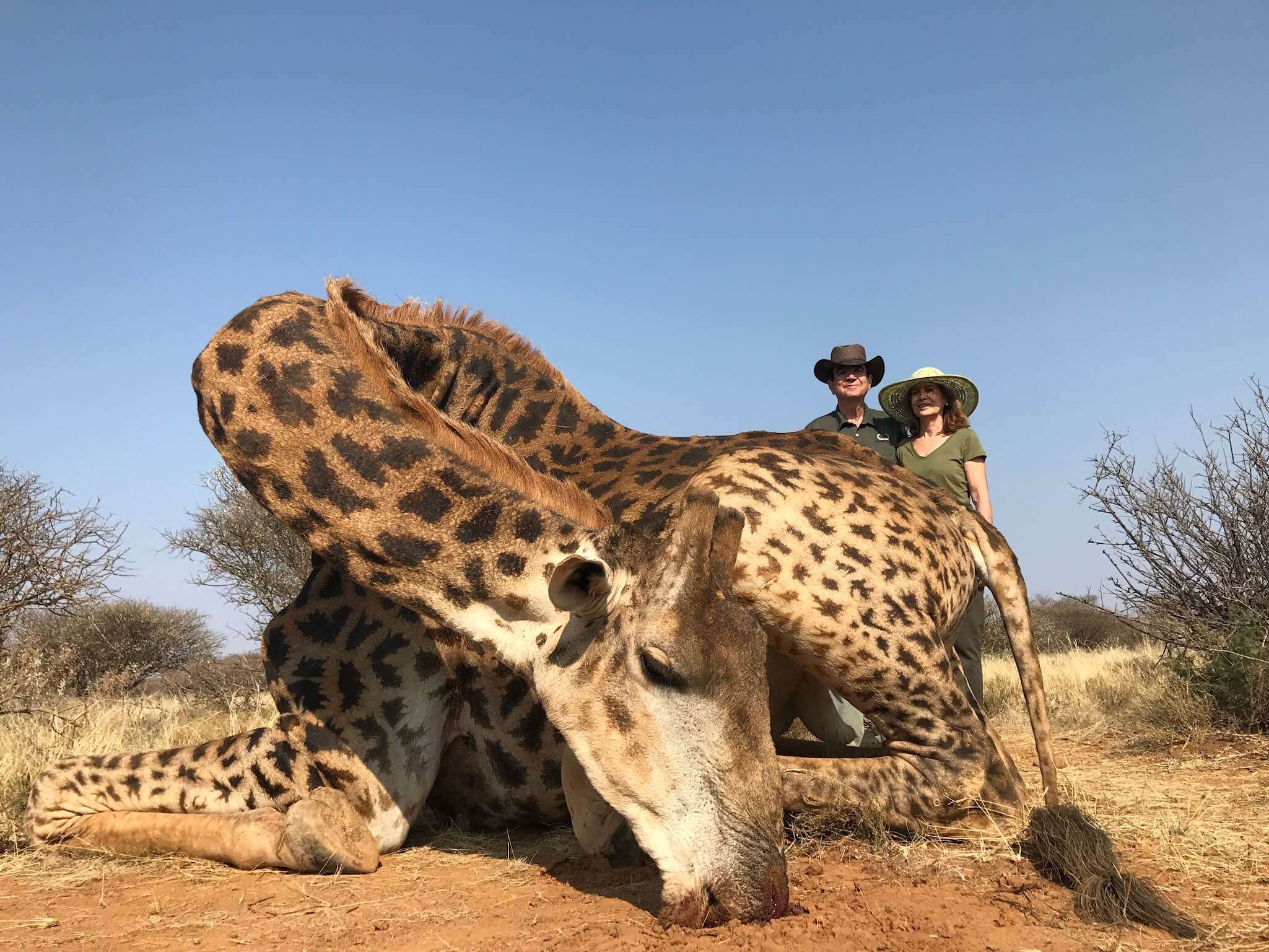
The most commonly hunted plains game species in South Africa include kudu, impala, gemsbok, blue wildebeest, zebra, springbok, and warthog, each presenting distinct terrain, behavior, and execution demands rather than a uniform experience. Kudu are defined by extreme wariness and bushveld-specific stalking requirements, while impala demand precise timing and shot discipline within fast-moving herd dynamics. Gemsbok are pursued in arid and semi-desert environments where wind reading, distance management, and controlled follow-up are critical. These species form the core of professionally structured, quota-driven plains game hunts within South Africa’s conservation framework and are central to Global Hunting Solutions (GHS) plains game itineraries.

FAQ 4: Why is ethical conduct paramount in South African plains game hunting?
Ethical conduct is paramount in South African plains game hunting because it directly governs conservation legitimacy, field safety, and long-term, concession-level land stewardship rather than serving as a philosophical ideal. This includes disciplined shot selection, strict adherence to fair-chase execution, and compliance with quota-based regulations that protect population health and sustain habitat carrying capacity. Ethical conduct also means controlling pressure, respecting animal behavior, and operating within professionally enforced hunt structures rather than prioritizing speed or volume. Within Global Hunting Solutions (GHS) operations, ethics are embedded into itinerary design, Professional Hunter authority, and real-time field decision-making, ensuring each hunt contributes to sustainable wildlife management rather than short-term extraction.
Section 2: Preparation and Logistics for Your Hunt
FAQ 5: What permits and documentation are essential for hunting in South Africa?
Essential documentation for hunting in South Africa includes a valid passport, appropriate entry authorization based on nationality, and temporary firearm import permits issued for the specific hunt. Hunters must also carry a formal invitation letter tied to the licensed concession and verifiable proof of firearm ownership and serial documentation from their home country. Preparation is not administrative housekeeping; it is an operational requirement that directly affects arrival flow, firearm clearance, and hunt start timelines, particularly when transiting through Johannesburg for meet-and-assist firearm processing. Within Global Hunting Solutions (GHS) itineraries, documentation is coordinated in advance to align permits, species plans, and entry logistics, ensuring compliance, safety control, and uninterrupted field execution rather than last-minute problem solving.
FAQ 6: How should I select the right rifle and caliber for plains game?
Selecting the right rifle and caliber for plains game should be driven by species profile, expected engagement distances, terrain realities, and demonstrated field proficiency rather than theoretical ballistics alone. Within South African plains game contexts, proven medium-bore calibers such as .30-06 Springfield, .300 Win Mag, or 9.3×62mm are favored because they deliver reliable terminal performance across varied species and shot angles while remaining controllable during disciplined spot-and-stalk execution. Rifle selection must prioritize mechanical reliability, repeatable accuracy from shooting sticks, and familiarity under field pressure, not novelty or excess power.
Within Global Hunting Solutions (GHS) itineraries, caliber guidance is aligned to defined species plans, concession terrain, and realistic shot windows, supporting ethical penetration, decisive shot outcomes, and controlled recoil for follow-up when required. Proficiency outweighs caliber size; a rifle you manage confidently enables disciplined execution, safety control, and conservation-aligned results in the field.
FAQ 7: What physical preparation is necessary for a successful plains game hunt?
Physical preparation for a successful plains game hunt centers on functional endurance, lower-body strength, balance, and sustained mobility rather than general fitness alone. Plains game execution often requires extended periods of walking, controlled pacing, and prolonged stalks across uneven ground, thornveld, open savanna, and broken terrain, frequently under dry-season heat and variable elevation. Preparation should prioritize loaded hiking with a pack, stair or hill work, foundational leg and hip strength, and core stability, mirroring real field demands rather than gym-based isolation training. The ability to maintain composure, breathing control, and shooting stability while fatigued directly influences shot discipline, safety, and ethical outcomes on GHS-managed hunts.
Within Global Hunting Solutions (GHS) itineraries, physical readiness supports controlled pacing, professional risk management, and consistent execution, allowing hunters to adapt to terrain and stalk length without compromising judgment or safety leadership. Fitness is not about speed; it is about durability, balance, and repeatable performance over consecutive, full hunt days.
FAQ 8: How do professional hunting outfitters manage logistics for clients?
Professional hunting outfitters manage client logistics by structuring and controlling every critical operational layer of the hunt rather than simply arranging travel, from arrival coordination and in-country transfers to accommodation, daily field movement, and post-hunt close-out. This includes deploying licensed Professional Hunters, vetted trackers, and experienced camp staff operating under a clear command structure, ensuring safety control, ethical execution, and operational continuity throughout the hunt.
At the highest level, logistics extend beyond convenience into execution management. Within Global Hunting Solutions (GHS) itineraries, logistics include pre-coordinated firearm import and clearance support, species- and terrain-specific itinerary design, secured concession access, deliberate daily pacing, and controlled post-hunt trophy preparation and export through approved partners. The objective is not a “worry-free” experience, but a disciplined, interruption-free operation that allows hunters to focus entirely on field execution, safety leadership, and ethical decision-making.
Section 3: The Hunting Experience and Field Craft
FAQ 9: What stalking techniques are most effective for different plains game species?
Effective stalking techniques for plains game are dictated by species behavior, terrain structure, and prevailing wind rather than a single universal approach, requiring hunters to adjust pace, approach angle, and pressure application with discipline. For highly wary species such as kudu in dense bushveld, success depends on deliberate, noise-controlled movement, strict wind management, and sequenced use of natural cover, advancing only when visual and auditory conditions clearly support progress. In more open terrain typical of gemsbok or wildebeest, execution shifts toward extended glassing, terrain mapping, and measured exploitation of elevation, drainage lines, and ground contours to close distance without forcing animal movement.
Across all plains game species, stalking is an exercise in controlled patience, adaptability, and decision discipline rather than speed. Within Global Hunting Solutions (GHS) itineraries, stalking is planned and executed under Professional Hunter direction to regulate pressure, maintain safety margins, and preserve ethical shot opportunities aligned with species behavior, concession conditions, and conservation standards.
FAQ 10: How important is shot discipline when hunting plains game?
Shot discipline is operationally non-negotiable in plains game hunting because it directly governs animal welfare, field safety, and conservation credibility rather than serving as a personal preference or stylistic choice. Disciplined shot execution requires proven familiarity with your rifle under field conditions, accurate distance assessment, species-specific anatomical knowledge, and the restraint to engage exclusively within confirmed effective range.
A disciplined hunter waits for verified shot angles, stable shooting positions, and confirmed backstops, even when opportunities are fleeting or pressure increases. Passing a marginal shot is not hesitation; it is controlled professional judgment. Within Global Hunting Solutions (GHS) itineraries, shot discipline is enforced through Professional Hunter authority and ethical execution standards to ensure decisive outcomes, minimal suffering, and alignment with fair-chase principles rather than rushed or opportunistic engagement.
FAQ 11: What role do local professional hunters play in the overall experience?
Local Professional Hunters (PHs) are central to field execution and ethical safety control in South African plains game hunting, functioning as operational leaders rather than guides or companions. Their value lies in deep, concession-specific knowledge of terrain, animal behavior, wind patterns, seasonal movement, and provincial regulations, which directly determines how hunts are structured, paced, and executed. PHs direct stalk strategy, control pressure, manage shooting lanes, and make real-time decisions that protect both hunter and animal.
Within Global Hunting Solutions (GHS) itineraries, PH authority is non-negotiable and embedded into every phase of the hunt, from daily movement planning and species prioritization to shot approval and post-shot procedures. Their role is not to “maximize success,” but to ensure controlled, ethical, and legally defensible execution under fair-chase standards. A credible PH elevates the hunt by enforcing restraint, safety discipline, and decision clarity, transforming the experience from a recreational outing into a professionally managed field operation anchored in conservation accountability.
FAQ 12: How does conservation integrate with plains game hunting practices?
Conservation is structurally integrated into plains game hunting practices in South Africa through quota-driven wildlife management, habitat stewardship, and direct reinvestment into land and species protection rather than symbolic or promotional initiatives. Regulated, species-specific quotas are established through measured population assessment and habitat capacity, ensuring off-take remains biologically sustainable while preventing overgrazing, resource depletion, and disease pressure.
Under this model, landowners and concession operators are functionally incentivized to maintain intact ecosystems, invest in wildlife monitoring, and support anti-poaching enforcement, because healthy, balanced game populations underpin long-term viability. Within Global Hunting Solutions (GHS) itineraries, conservation is not a downstream benefit; it is a non-negotiable design constraint that governs species selection, timing, pressure management, and execution standards. Plains game hunting functions as a conservation mechanism only when conducted with disciplined field control, regulatory compliance, and ethical restraint rather than volume-driven extraction.
Section 4: Post-Hunt Considerations and Legacy
FAQ 13: What is the process for trophy preparation and export?
The trophy preparation and export process is a controlled, multi-stage operation that begins immediately in the field and continues through regulated export clearance rather than a post-hunt afterthought. Following harvest, trophies are field-prepared through proper skinning, salting, and initial preservation by trained personnel under concession-approved handling protocols to stabilize quality and prevent degradation. From there, trophies are transferred to licensed dip-and-pack or taxidermy facilities with species-specific authorization for treatment, documentation, and preparation aligned with export requirements.
Export is governed by South African wildlife authorities and, where applicable, CITES regulations, with corresponding import permits required by the hunter’s home country. Within Global Hunting Solutions (GHS) itineraries, trophy handling is coordinated end-to-end through pre-vetted taxidermists, mandatory veterinary inspections, and approved international shipping partners to ensure legal compliance, chain-of-custody integrity, and condition control. The objective is not speed, but regulatory precision, documentation accuracy, and long-term preservation, ensuring trophies move through the system without risk, delay, or regulatory exposure.
FAQ 14: How can hunters ensure their experience supports sustainable game management?
Hunters ensure their experience supports sustainable game management by selecting outfitters whose operations are structured around enforced quota-based wildlife management, regulatory compliance, and controlled field execution rather than marketing claims. This includes verifying that hunts are conducted under scientifically determined quotas, concession-specific management plans, and documented reinvestment into habitat protection, wildlife monitoring, and anti-poaching enforcement. Responsible operators treat hunting pressure as a biological and ethical control variable, not a revenue driver, and align species selection and timing with long-term conservation objectives.
Within Global Hunting Solutions (GHS) itineraries, sustainability is reinforced through deliberate species planning, pressure management, Professional Hunter command authority, and strict alignment with provincial conservation frameworks. Hunters support long-term wildlife health not through symbolism, but through disciplined outfitter selection and adherence to ethical execution standards, ensuring hunting functions as a conservation mechanism rather than an extractive activity.
FAQ 15: What lasting impact does a South African plains game hunt have on the hunter?
A South African plains game hunt leaves a lasting professional and personal imprint on the hunter that extends well beyond the harvest itself. Conducted under disciplined, conservation-aligned execution, the experience sharpens judgment, patience, and situational awareness while reinforcing respect for wildlife, land management, and ethical decision-making. Hunters develop refined fieldcraft, reinforced shot discipline, and a clearer understanding of how quota-driven conservation systems function in real-world conditions, not in theory.
Equally important, the hunt fosters a measured, responsibility-driven connection to the landscape and the people who steward it, grounding the experience in accountability rather than spectacle. Within Global Hunting Solutions (GHS) itineraries, the lasting impact is defined by confidence earned through controlled field execution, perspective gained through ethical restraint, and a reinforced commitment to conservation-driven hunting, values that carry forward into every subsequent hunt.