

Trophy hunting in South Africa is the dream expedition of many hunters. And, turning that dream into a reality takes way more than just knowing the where and what of the hunt. The more important question is how. You need to know everything from securing permits to transporting firearms. Choosing the right season, following safety precautions, and honoring the ethical practices of trophy hunting, and even down to getting your hard-won trophy safely back home – there’s a lot to master.
This handbook gives you the know-how to navigate every step of the trophy hunting process with confidence. Your journey starts here.
Why South Africa is Every Hunter’s Dream Destination
South Africa is a top hunting destination for a reason- from animals to landscapes, there is just so much choice. The country offers hunters who seek to stalk kudu through dense bushveld or track Cape buffalo in thick mopane forests or test their skill against a wary springbok on the open plains a plethora of exhilarating hunting experiences.
Incredible Species Diversity, Including the Big Five
South Africa caters to hunters of all abilities and interests with just over 40 huntable species, which include the Big Five: lion, elephant, buffalo, leopard, and rhinoceros. Everything from the majestic dangerous game to the elusive plains game is here in such abundance that few other countries can match it.
Professional Outfitters and Quality Infrastructure
South Africa’s hunting industry is very well-regulated. It is overseen by trusted organisations like the Professional Hunters’ Association of South Africa (PHASA). Their Licensed Professional Hunters (PHs) bring not just the deep local knowledge but are also dedicated to making your hunt a safe, ethical, and rewarding one. Another reason I think South Africa is amazing for a hunting safari is that it has some of the best infrastructure: great roads, nice lodges, and very well-managed hunting areas to give you an outdoor experience — but within the levels of comfort we are used to.
A Tested Conservation and Community Paradigm
You may find this hard to believe, but legal hunting of animals under strict regulations in many parts of South Africa actually promotes and strengthens conservation. Hunting fees and licenses pay for these types of critical conservation efforts, as well as for anti-poaching units, community development programs that help the tribal peoples, and various social welfare programs. Owing to this sustainable use approach, wildlife populations have significantly grown over the recent decades. Thus, proving that hunting and conservation can go hand in hand.
Varied Hunting Landscapes for Every Type of Hunter
From Limpopo’s bushveld to the Eastern Cape’s grasslands, South Africa’s landscapes make every hunt a thrilling adventure. Its open plains test your long-range skills, while dense forests demand quiet patience. The seasons also add their own twist; cool winter days offer comfortable stalking, while summer’s lush growth provides cover for both you and your hunt. With many outfitters working across regions, you can mix species and settings in one trip, making every hunt a story worth telling.
Picking the Perfect Spot and Time for Your South Africa Hunt
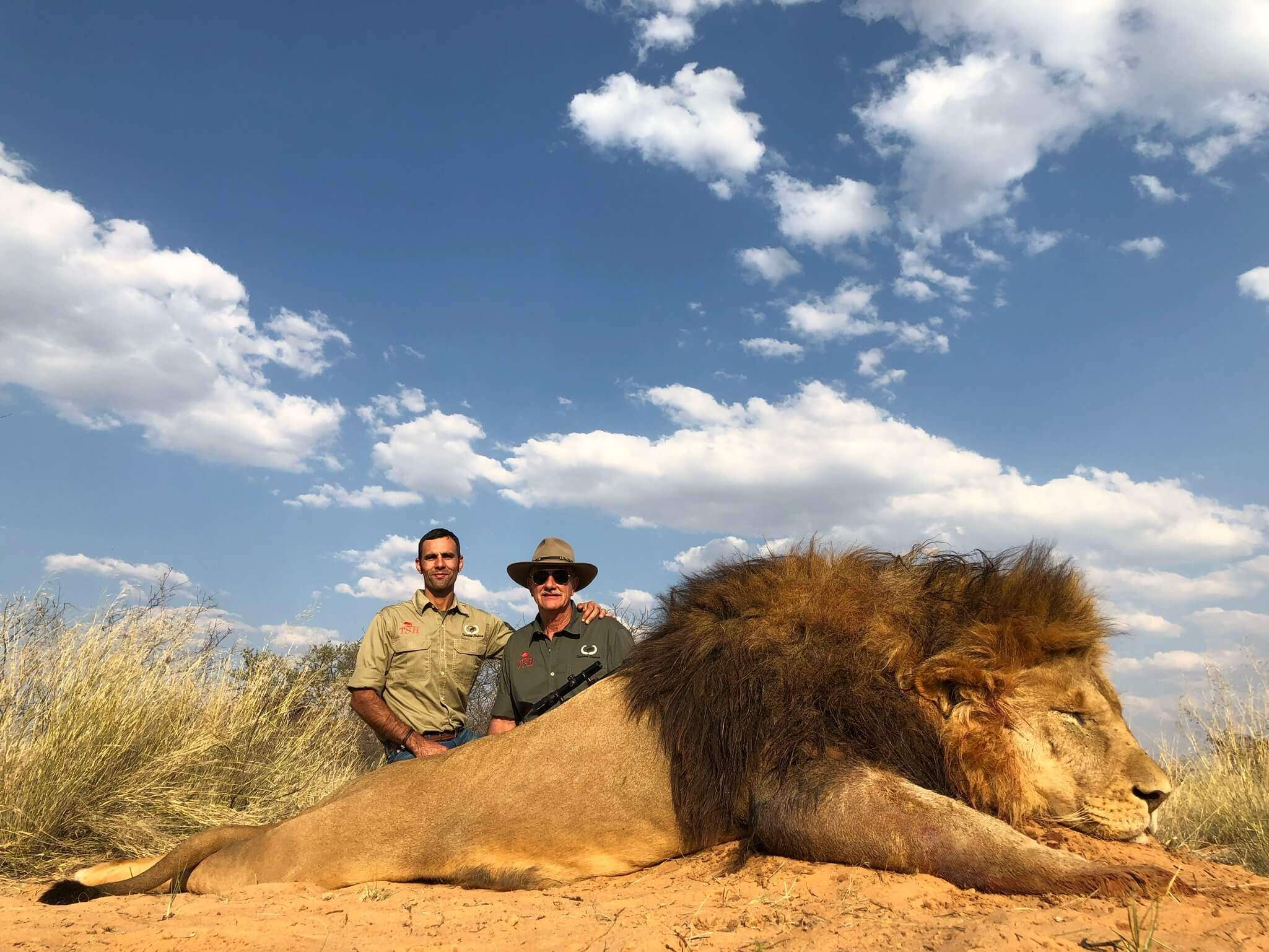
South Africa has something for every hunter — whether you want a relaxed plains experience or a thrilling, dangerous adventure, a hunter’s paradise just waiting for you to explore.
Where to Go?
- Eastern Cape: Wide-open grasslands, rolling hills, and plenty of kudu and impala make this a dream for first-time hunters. The open terrain means you’ll spot game more easily — and soak in the scenery while you’re at it.
- Limpopo Province: If you’re after a real adrenaline rush, Limpopo’s the place. Its thick bush and rugged terrain hide Cape buffalo, sable antelope, and other dangerous game that will keep your heart racing from the first track to the final shot. It’s tougher, wilder, and perfect if you want to earn every step of your hunt.
- KwaZulu-Natal: The best of both worlds — one day you’re stalking plains game, the next you’re tracking something with a little more bite. Add in the vibrant local culture just beyond the reserves, and you’ve got a hunting trip with a rich South African flavor.
When to Go?
- January to March are the hot and rainy months, and with thick vegetation, hunting gets trickier. Try to avoid this period unless you are looking for a specific species or you prefer the offseason rates.
- April, the dry month, begins, and animals start gathering near shrinking water sources. Early April is an excellent time to hunt plains game as visibility improves.
- May to August is South Africa’s prime hunting season. Cooler temperatures and dry conditions mean animals concentrate near water, making tracking easier. It also lines up perfectly with U.S. summer vacations — a favorite time for American hunters.
- September to October, the late dry season, means excellent visibility and plenty of game movement. If kudu is on your list, this is their mating season, your best shot at spotting a trophy-quality hunt.
- From November to December, early rains green up the bush, making hunting more challenging. It’s considered the offseason, but you’ll enjoy quieter reserves and often lower prices.
How to Match South African Seasons with Your U.S. Calendar
Here’s the beauty of it: South Africa’s prime hunting season (May–August) lines up perfectly with U.S. summer vacations. You can take your time, soak in the experience, and still get back without scrambling for work or school.
If summer doesn’t work for you, spring break (March to April) is a solid backup. It’s a short trip that fits most schedules — great for plains game.
The ideal hunt finds the sweet spot between target species, style of adventure, and your available time. And don’t forget your outfitter is your best friend here. They’ll help you figure it all out and make sure your trip is exactly what you dreamed of.
Understanding the Legal Side for U.S. Hunters
Here’s where many first-time American hunters trip up — U.S. import laws and permits aren’t the same for every animal.
CITES & International Paperwork — Start Early
Many African species (leopard, elephant, some antelope, etc.) are covered by CITES (the Convention on International Trade in Endangered Species). That means you’ll usually need both:
- An export permit from South Africa, and
- An import permit from the U.S. Fish & Wildlife Service.
Action: Apply months before you travel. Some permits can take 3–6 months or more. Your outfitter should help, but the responsibility to start the process is on you.
U.S. Federal Rules — Don’t Skip This Step
The U.S. Fish & Wildlife Service is in charge of trophy imports. If you’re bringing back parts, hides, or mounted trophies, ensure the paperwork is complete before your arrival. Otherwise, you could run into frustrating delays or worse, have your trophy confiscated.
State-Level Restrictions — Know Where You’ll Land
In spite of federal officials clearing your trophy, some U.S. states ban imports of certain species or parts. Before you book, double-check the laws in the state where your trophy will arrive or be delivered.
Action: Check state rules early and plan your shipping route or final destination accordingly.
Firearms, Temporary Import Permits & CBP Forms
If you bring your own rifle, you’ll need to follow airline and South African rules for temporary firearm import and registration with local authorities (SAPS). For returning to the U.S., complete CBP Form 4457 to prove ownership — this makes re-entry much smoother.
If the paperwork sounds like a pain, don’t worry; many hunters rent rifles locally to avoid this hassle.
For official info, visit the U.S. Fish & Wildlife Service’s trophy import requirements page. And be sure to check in early with your outfitter and freight forwarder; they’ll help you handle the paperwork hassle-free.
Getting Your Trophy Home: Shipping, Timing & Costs for U.S. Hunters
One of the most overlooked parts for U.S. hunters is how to get their trophies home safely. It’s more than just paperwork — there’s a careful process to make sure your trophy arrives in great shape and clears customs without hassle.
Step-by-Step Trophy Prep and Shipping
- Field preparation: Right after your hunt, your trophy gets skinned and salted to preserve it. This is a crucial first step to keep it fresh.
- Dip & Pack: Then, professionals clean and treat your trophy with special dips to meet U.S. import health standards, before packing it securely in a crate.
- Export paperwork: CITES permits, veterinary certificates, and other documents are prepared to satisfy export and import laws.
- Freight forwarding: Finally, your trophy is shipped — either to your U.S. taxidermist or your chosen port of entry.
What to Expect: Timeline and Costs
Getting your trophy home takes patience. From the day you bag your trophy until it arrives home, expect the whole process to take around 6 to 12 months—sometimes a little longer if paperwork or shipping run into delays.
Costs can vary quite a bit, too. Usually, you’re looking at between $1,000 $3,000 or more, depending on the size of your trophy, the species, and where it’s going.
How to Pick a Hunting Outfitter You Can Trust
Not all outfitters are the same, and picking the right one can make or break your trophy hunting experience in South Africa. Here’s what to look for:
- PHASA membership: Being PHASA-affiliated means the outfitter follows strict ethical and legal standards — in short, you can relax knowing you’re in safe, professional hands.
- Experience with U.S. clients: Choose an outfitter who knows U.S. firearm and trophy-import rules — they’ll handle the paperwork and save you from headaches at customs.
- Transparent pricing: Look for clear, itemized quotes with no vague language or surprise add-ons. The right outfitter will tell you exactly what’s included and what’s not.
Insider Tip: Don’t be shy—ask for recent client references from the U.S. They can share their real-world experience with travel, paperwork, and shipping trophies home.
Travel & Logistics from the USA
Flights
When it comes to getting to South Africa, most folks fly direct with Delta from Atlanta to Johannesburg — it’s about a 15 to 17-hour flight, so buckle up! If you don’t mind a layover, airlines like Qatar and Emirates have routes through Doha or Dubai, but those trips usually take 20 hours or more.
Firearm Transport
Bringing your own rifle? Here’s the scoop:
- Make sure you declare your firearm at check-in, packed in a TSA-approved hard case.
- Don’t forget to fill out CBP Form 4457 before you leave. This little form proves you own your rifle and makes coming back to the U.S. way smoother.
- When you land in Johannesburg, you’ll need to register your firearm with the South African Police Service (SAPS) — it’s just part of the process.
Pro tip: If dealing with airline firearm rules sounds like a headache, no worries! Many outfitters rent out great rifles, so you can skip that hassle altogether.
Health & Safety Tips for U.S. Visitors
- Vaccinations: Before you jet off, double-check your shots — Hep A, Tetanus, and sometimes Typhoid. If you’re heading into malaria zones like Limpopo or KwaZulu-Natal, make sure you take your malaria meds. Trust me, taking a simple pill is way better than battling a fever in the middle of nowhere!
- Travel Insurance: Travel insurance might sound boring, but it’s a lifesaver. Make sure it covers emergency medical evacuation because some hunting spots are way out there, and getting help quickly can be tough.
- Personal Safety: South Africa is incredible, but the big cities can feel a bit overwhelming. Book airport rides through your outfitter — way less stressful than figuring it out solo. And try to avoid wandering around alone in new neighborhoods, especially after dark. A little extra caution means you’ll have a safe, awesome trip to remember.
Wrapping Up Your Trophy Hunting in South Africa
Those who arrive in South Africa to enjoy a hunting safari are on much more than a mere trip — they can expect an experience that will change them. The thrill of a hunt, the power of landscapes and beauty, the friends, old or new, and a local culture will live on. Yes, there is paperwork and planning behind the scenes, but that is part of the whole journey.
Good preparation, the proper outfitter, and knowing the rules will make this one of your safest, most ethical hunts. Slow down, ask questions, and just enjoy the process from your initial call with your outfitter to getting that animal back home.
Now, if you want to make the jump and go on that hunt of a lifetime, start your research by checking out long-standing outfitters like Global Hunting Solutions. South Africa’s waiting — are you ready?
FAQs
Q1: Can I bring my own rifle from the U.S.?
Yes, you can — just be ready to follow TSA and airline rules, plus the South African Police Service (SAPS) firearm process once you land. Many hunters skip the hassle by renting a quality rifle from their outfitter.
Q2: Is South African trophy hunting considered safe?
Yes, book with a trusted outfitter and follow their safety tips; they know the land and the wildlife and the safest ways.
Q3: Can I expect my trophies to get through customs easily?
They should, as long as you have the correct CITES paperwork and you are working with an experienced freight forwarder, their professional guidance will get you through every step.
Q4: Is the hunting fenced or free-range?
Both are available. Many hunts take place on massive private reserves — some so large they’d put an entire U.S. county to shame — giving you plenty of space and a fair chase experience.
Q5: Can I bring ammunition with me?
Yes, you can take ammunition, but there’s a limit. Usually, about 11 pounds (5 kilograms) in a locked container separate from your rifle is allowed, but check TSA and your airline’s rules before to avoid any last-minute issues.
Q6: Do I really need travel insurance? Do I tip my guides?
Highly recommended on both counts. Travel insurance can save you from unexpected costs if luggage is delayed or flights are canceled. As for tipping, it’s customary to thank your guides, trackers, and camp staff — your outfitter can suggest fair amounts.