
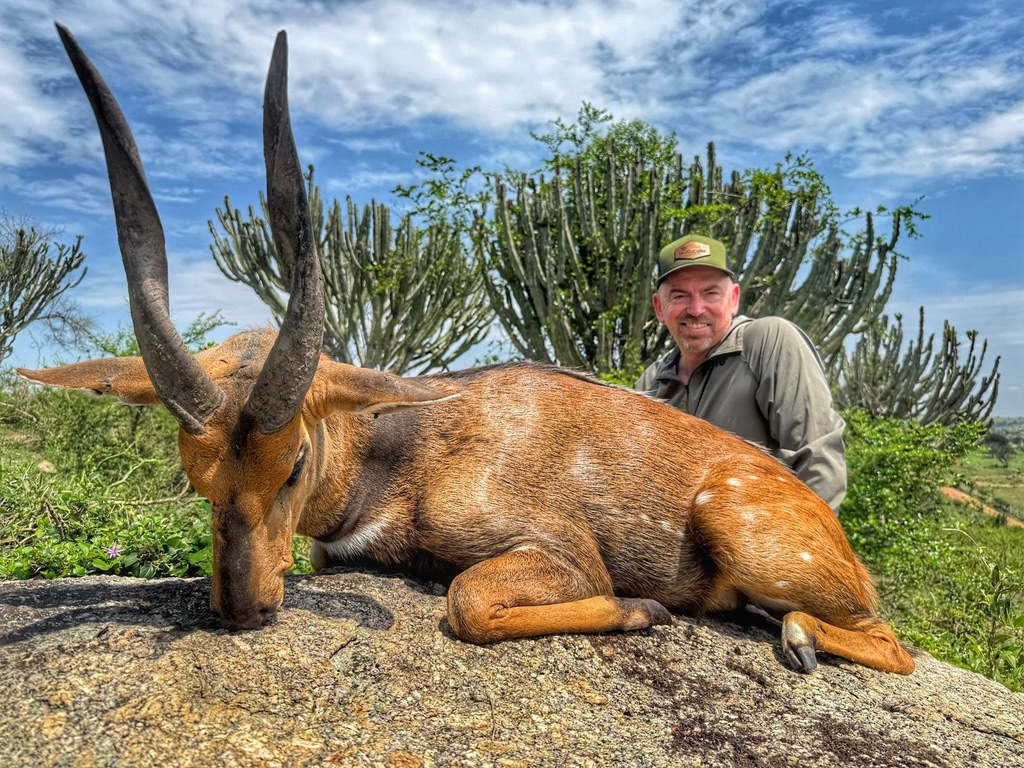
Thinking about going hunting in Texas this year? Then it’s time to get serious about planning. Texas is a big state with tons of hunting options, but it also comes with strict rules. You can’t just head into the woods and hope for the best. In Texas, white-tailed deer season starts in late September for archery, with the general season running through January, longer in the South Zone. Mule deer can be hunted from late November to mid-December, mainly in the Panhandle and West Texas. Pronghorn hunting is short, running from late September to mid-October in certain counties. Javelina can be hunted almost year-round in South Texas. Turkey season occurs in both fall and spring, depending on your location. Alligator season begins in September in some counties, and in others, it runs from April to June. Always follow the rules for your area, use the correct gear, and report your harvest when required.
Big Game Seasons You Should Know
Texas is one of the top states in the country for big game hunting. The most popular species are white-tailed deer, mule deer, pronghorn antelope, and javelina. Each animal has different hunting dates, and those dates also vary by region and method.
White-Tailed and Mule Deer
White-tailed deer are the most hunted big game in Texas. The season starts with archery in late September and then shifts to general firearm season in early November. The general season lasts longer in the South Zone than the North. For young hunters, there are special youth-only weekends. Muzzleloader season gives you extra time in January in select counties. Mule deer are found mostly in the western part of the state, especially in the Panhandle and Trans-Pecos regions. Their season is shorter, from late November to mid-December. If you’re bow hunting for mule deer, your window opens in late September and lasts until early November in specific counties. Make sure to check which ones.
Hunting either of these deer species requires attention to detail. Don’t rely on general knowledge; always check the current rules for your county. Dates, bag limits, and gear rules can change each year. If you’re new to hunting in Texas or want help understanding local regulations, working with experienced guides like Global Hunting Solutions can help you avoid mistakes and make the most of your trip.
Pronghorn and Javelina
Pronghorn antelopes are found mostly in the Panhandle and High Plains. The season is short, just a couple of weeks from late September to mid-October. Hunting is limited to certain counties, and you’ll need a special permit to take one. Javelina, also called collared peccaries, are more flexible. In the South Zone, you can hunt them nearly year-round, from September 1, 2024, through August 31, 2025. In the North Zone, the season runs from October through late February. Javelina hunting is popular in brushy regions like South Texas, and it offers a good challenge for both new and experienced hunters.
Turkey and Alligator Hunting in Texas

Texas offers more than just deer. Turkey and alligator hunting are also great experiences here. But, like deer, these species have their own rules and regional restrictions.
Wild Turkey
Turkey hunting in Texas is split into two main parts: fall and spring seasons. The fall season begins in early November and ends in January. The spring season is the most popular and starts as early as March in the South Zone and as late as April in the East Zone. There are also special youth-only weekends during both the fall and spring. These weekends give young hunters a great chance to get out in the field with lower competition. In counties like Kleberg and a few others, the fall turkey season extends until late February. It’s important to know your specific county’s timeline. You’ll also need to tag your turkey and report it using the Texas Parks and Wildlife Department (TPWD) system. Turkey hunting is especially exciting in Texas because the terrain is so different from region to region. In East Texas, you’ll be calling birds through thick pine forests. In the South, it’s more open land and longer visibility.
Alligator
Yes, you can hunt alligators in Texas, and it’s not just in the swamps of Louisiana. The season depends on your location. In 22 specific counties, alligator hunting runs from September 10 to September 30, 2024. In all other counties, the season is from April 1 to June 30, 2025. Alligator hunting is closely regulated. You often need landowner permission, a special tag, and to follow strict rules on capture and harvest. That’s why many hunters prefer working with trusted outfitters like Global Hunting Solutions, especially for these more technical or high-stakes hunts.
Know Your Texas Hunting Zone
Texas is huge, and it’s broken into several hunting zones. Each zone has its own set of dates, limits, and species rules. Knowing your zone is key to staying legal.
Breakdown of the Zones
- North Zone: This zone includes counties like Dallas, Wichita, and Denton. It’s known for a mix of wooded areas and open land, which makes it great for hunting white-tailed deer and wild turkey. The terrain supports both still hunting and ground blinds. Hunting seasons here are slightly shorter than in the South Zone, so timing and preparation matter.
- South Zone: Counties like Bexar, Cameron, and others near the Gulf make up the South Zone. The climate is warmer, which allows for longer hunting seasons, especially for turkey and javelina. The land is more open and brushy, offering better visibility and different hunting strategies than the North. It’s a favorite zone for those who prefer extended season access.
- Panhandle & Trans-Pecos: These regions cover northwest and far west Texas. The Panhandle offers open plains, ideal for spotting and stalking pronghorn. The Trans-Pecos area is rockier and more rugged, making it a top destination for mule deer hunts. Both zones are great for long-range shooting due to fewer trees and wide-open views.
- East Zone: East Texas is heavily wooded with pine forests and thick cover. It’s mainly known for spring turkey hunting, although some deer hunting occurs here too. The dense terrain makes calling in turkeys more challenging and rewarding. This zone also suits archery hunters who prefer close-range encounters in forested areas.
Each zone was created to support healthy game populations and safe hunting. Following zone rules helps keep these areas sustainable year after year.
Why It Matters
Let’s say you plan your hunt based on North Zone dates but drive out to a South Zone ranch. If you hunt on the wrong day or use the wrong method, that’s a violation, even if it’s an honest mistake. That’s why it’s critical to double-check your county’s regulations every year. The TPWD website makes it easy to confirm your location and review rules. You can also use their mobile app to track seasons and report harvests.
Licensing, Rules, and Hunting Safety

Before you grab your rifle or bow, you need to be legal. Texas has clear rules about licensing, equipment, reporting, and safety. Following them protects you and helps conserve wildlife for future hunters.
Hunting Licenses and Tags
Every hunter in Texas must have a valid hunting license. You can buy it online or from most sporting goods stores. If you’re hunting deer, turkey, or other big game, you’ll also need tags. Some hunts require extra endorsements like archery, migratory bird, or upland game bird. If you’re a non-resident, check if your species needs a special permit. Not all licenses are the same. Tags are required for species like deer, turkey, and alligator. After the harvest, you must tag the animal and report it through the TPWD system. Forgetting to tag or report can result in a fine and ruin future hunting chances.
Safety and Legal Gear
Hunters born after September 1, 1971, must take a certified Hunter Education Course. This covers gun safety, wildlife ID, and legal responsibilities. It’s available online and in person. Blaze orange clothing is mandatory during firearm seasons. This helps other hunters see you and avoid accidents. Always wear it on your chest and back. Using the wrong weapon in the wrong season is illegal. Don’t use a rifle during archery season or a crossbow in a no-crossbow county. Double-check what’s allowed before you head out.
Final Thoughts
Hunting in Texas is exciting, but it’s not as simple as showing up. You need to know your species, seasons, zones, and rules. Whether you’re after deer, turkey, javelina, or even an alligator, planning is everything. Stay safe, stay legal, and enjoy the experience. A successful hunt isn’t just about what you bring home, it’s about doing it right. Good luck out there, and may your 2024–2025 Texas hunting season be your best one yet.
FAQS
- When does deer season start in Texas for 2024?
Deer season begins on September 28, 2024, for archery and on November 2, 2024, for general firearm season. - Do I need a license to hunt on private property in Texas?
Yes, a valid Texas hunting license is required, even on private land, unless you’re exempt (like landowners hunting their property). - Can I hunt year-round in Texas?
No, most hunting seasons are seasonal. Only certain species, like javelina (in the South Zone) and wild hogs, can be hunted year-round. - What is the minimum age to hunt in Texas?
There is no minimum age, but hunters under 17 must be supervised and may need a Youth Hunting License.
While Texas offers diverse game and structured hunting seasons, some hunters look beyond state lines for new terrain and species variety. South Africa’s plains game regions provide professionally guided safari experiences with multiple antelope species available throughout extended seasonal windows. Learn more about planning South Africa Plains Hunting Safaris.
