
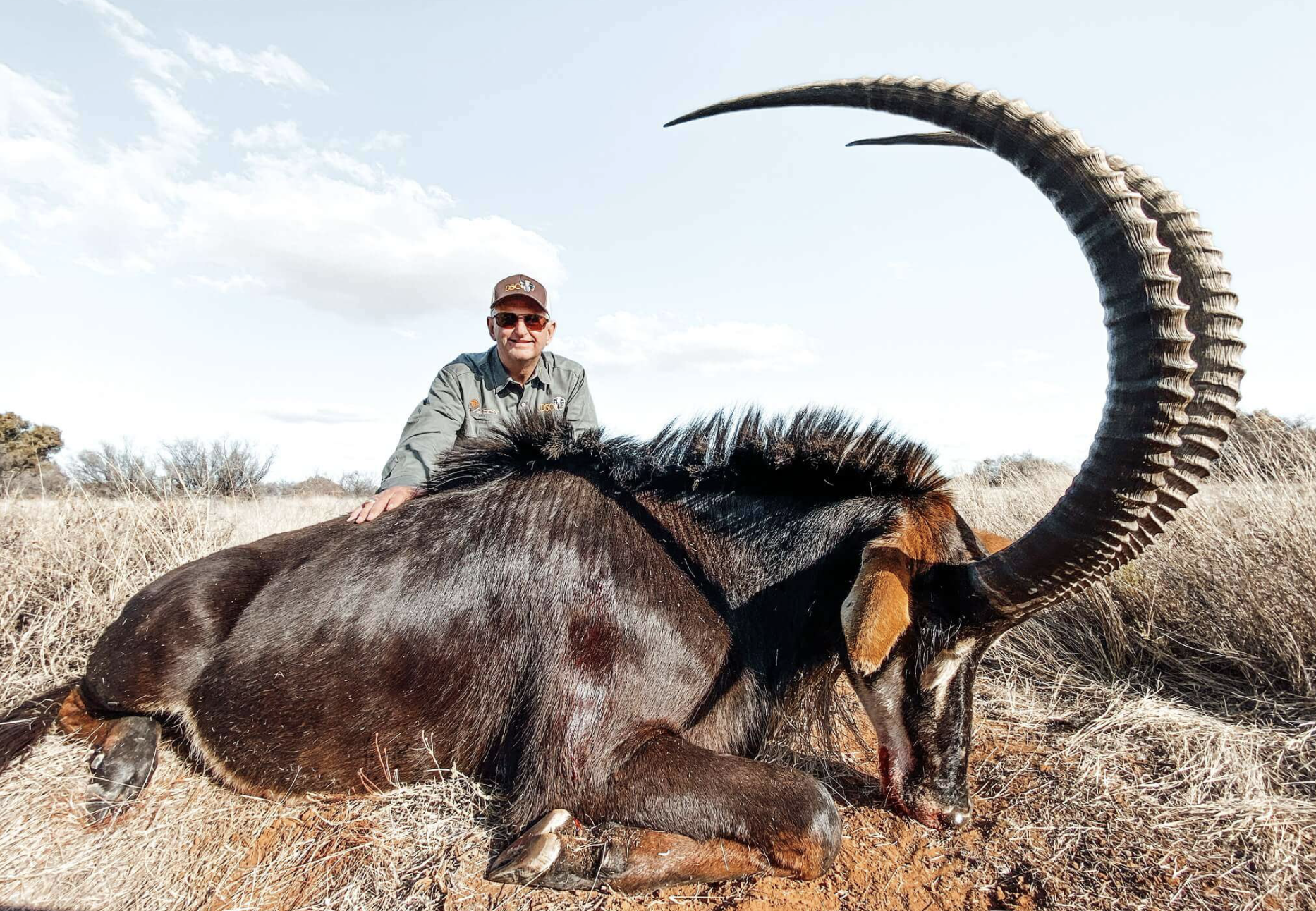
South Africa remains one of Africa’s premier hunting destinations, offering everything from classic kudu hunts in the bushveld to Cape buffalo pursuits in thick cover and gemsbok across the Kalahari. For many U.S. hunters, one of the first planning adjustments is that the prime South Africa hunting season runs from May through September during the Southern Hemisphere winter, not during the Northern Hemisphere winter many American hunters initially expect.
This guide breaks down the country by province, species, and season so you can match your goals to the right location and hunting window. Whether you’re planning a plains game safari, a dangerous game hunt, or a combination trip, understanding the seasonal calendar is one of the most important parts of building the right hunt plan.
Where Luxury Meets Adventure.
[Book Your Hunting Experience]
For a broader overview of hunting opportunities across the country, see [South Africa Hunting].
South Africa as a Hunting Destination
There is a reason so many hunters choose South Africa for their first African safari. The country offers serious game diversity, established infrastructure, professional hunting standards, and a range of landscapes that allow hunters to tailor their experience to specific species and hunting styles.
Unlike many destinations that are defined by a single ecosystem, South Africa offers dramatically different terrain depending on where you hunt. Limpopo is known for its dense bushveld and classic kudu country. The Northern Cape delivers vast Kalahari landscapes and longer shooting opportunities. The Free State provides open highveld grasslands, while the Eastern Cape offers rugged mountains and dense thicket habitat.
This diversity allows hunters to pursue everything from springbok and impala to Cape buffalo and other dangerous game species without leaving the country.
Another advantage is the extensive network of professionally managed private game farms and concessions. While regulations vary by province and species, many properties provide year-round access to game under carefully managed conservation programs. This creates flexibility for hunters who may not be able to travel during a narrow seasonal window.
For hunters looking for an owner-led outfitter experience, Global Hunting Solutions operates concessions in both Limpopo and Kimberley in the Northern Cape. These two regions provide access to distinctly different hunting environments while maintaining the same professional standards and personalized service. It’s a simple philosophy: Hunt with the owners.
Understanding South Africa’s Hunting Seasons
The South African hunting season is shaped by the Southern Hemisphere calendar. South Africa’s winter runs from roughly May through September, which is the opposite of what many North American hunters expect.
During this period, vegetation becomes less dense, water sources become more predictable, and animal movement is often easier to observe. These conditions improve visibility, create better shooting lanes, and make tracking significantly more efficient.
Regulatory requirements can vary by province, species, land status, and permit category. PHASA also notes that professional hunters and hunting outfitters must be licensed in each province where they operate, which makes province-specific planning part of a compliant safari. For TOPS-listed species, DFFE permitting requirements may also apply in addition to provincial hunting requirements.
For most hunters, the calendar breaks down as follows:
| Season | Conditions | Best Opportunities |
|---|---|---|
| March–April | Moderate temperatures and lower demand | Early-season availability and shoulder-season planning |
| May–September | Dry winter conditions | Prime plains game and dangerous game hunting |
| October | Transitional weather and lighter pressure | Shoulder-season opportunities by province, species, and concession |
Dry winter conditions also encourage animals to spend more time around dependable water sources. For both rifle hunters and bowhunters, this often creates more predictable movement patterns.
It’s important to note that wing shooting seasons for species such as dove, guinea fowl, and pigeon are regulated separately under provincial regulations and may not align with big game hunting periods.
Region-by-Region Breakdown: Where to Hunt in South Africa
The best region depends on your target species, preferred terrain, and hunting style. A hunter seeking kudu in thick bushveld will have a different experience than someone pursuing gemsbok across open Kalahari flats.
Limpopo
Limpopo is often considered the classic South African hunting destination. Located in the country’s northeast, it is easily reached through Johannesburg’s OR Tambo International Airport and offers some of Africa’s most recognized bushveld country.
The province supports strong populations of kudu, impala, sable, blue wildebeest, and Cape buffalo. The mix of terrain and species diversity makes it particularly attractive for first-time visitors planning a serious South Africa hunting safari.
The region also offers strong kudu hunting opportunities. Thick cover, seasonal water sources, and the June–July rut combine to create excellent conditions for pursuing mature bulls.
Northern Cape (Kimberley)
For hunters who enjoy open-country hunting, the Northern Cape delivers a different field challenge.
The Kalahari semi-desert is known for wide-open landscapes, longer shooting distances, and species adapted to arid environments. Gemsbok, springbok, and red hartebeest thrive here.
The prime hunting period generally runs from May through September. Cooler temperatures, excellent visibility, and active game movement make this one of the strongest regions for plains game hunting in South Africa.
Global Hunting Solutions’ Kimberley operation also provides access to a lodge setting with spa amenities after long days in the field.
Eastern Cape
The Eastern Cape offers a combination of mountains, valleys, and dense thicket habitat. Many hunters appreciate the free-range hunting opportunities available throughout the province.
Visibility improves substantially during winter months, making May through September particularly productive. Hunters can pursue a wide variety of plains game species, and certain areas also provide Cape buffalo opportunities.
KwaZulu-Natal
KwaZulu-Natal provides a distinctive subtropical hunting environment that differs significantly from both Limpopo and the Northern Cape.
The region is especially known for nyala, bushbuck, and impala. Low-veld habitat, river systems, and thick vegetation create a challenging and rewarding hunting experience.
April through September generally offers the most comfortable conditions.
Free State
The Free State’s open highveld grasslands are ideal for hunters who enjoy spotting game at greater distances and making deliberate stalks.
Species commonly pursued here include blesbok, black wildebeest, and springbok. The best conditions typically occur from May through August when visibility is excellent, and temperatures remain comfortable.
Mpumalanga
Mpumalanga combines productive lowveld habitat with strong populations of kudu, waterbuck, and bushpig.
Like neighboring Limpopo, the province benefits from winter conditions that improve tracking and visibility. Many hunters include Mpumalanga in combination safaris focused on multiple species.
Quick Guide for First-Time Hunters
If this is your first safari, consider these general guidelines:
- Best first African hunt: Limpopo
- Best open-country hunting: Northern Cape
- Best free-range experience: Eastern Cape
Each region offers something different, but all can provide authentic fair-chase hunting in distinct South African terrain.
Plains Game by Season: Species Calendar
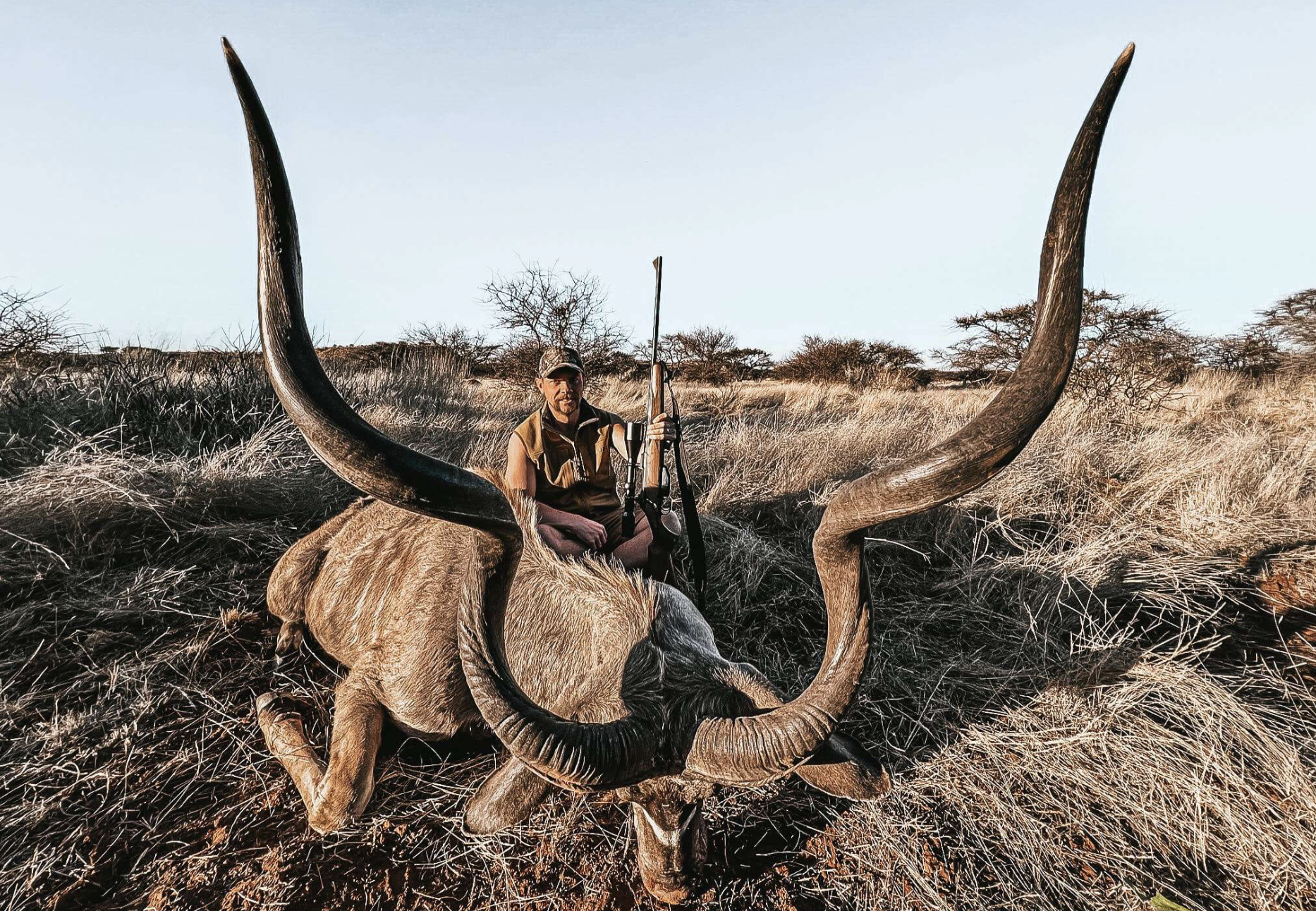
One of the clearest planning advantages of South Africa is the variety of plains game available across multiple provinces.
Timing matters. Rut activity, visibility, weather conditions, and regional habitat all influence the quality of the hunting experience.
| Species | Prime Months | Best Regions |
|---|---|---|
| Kudu | June–July | Limpopo, Northern Cape |
| Gemsbok | May–August | Northern Cape |
| Impala | May–September | Limpopo, KwaZulu-Natal |
| Blue Wildebeest | May–August | Free State, Limpopo |
| Red Hartebeest | May–August | Northern Cape |
| Blesbok | May–August | Free State |
| Springbok | May–August | Northern Cape |
Kudu Hunting in South Africa
For many hunters, kudu sits at the top of the species list.
According to SCI and PHASA resources, rut activity generally peaks during June and July. During this period, mature bulls often become more active during daylight hours as they search for receptive cows.
This increased movement can improve opportunities for hunters pursuing mature animals. Limpopo and the Northern Cape are widely regarded as strong regions for kudu hunting in South Africa.
Gemsbok
Gemsbok are perfectly adapted to the Kalahari environment and remain one of the most iconic species of the Northern Cape.
Prime conditions occur between May and August when cooler weather supports comfortable hunting conditions. Hunters should expect longer shots than they would typically encounter in bushveld environments.
Impala, Wildebeest, Hartebeest, Blesbok, and Springbok
These species remain productive throughout the winter season.
Impalas are available on many private properties year-round, although May through September is often preferred because of cooler temperatures and improved visibility.
Blue wildebeest, red hartebeest, and blesbok benefit from open-country conditions in the Free State and Northern Cape. Springbok, meanwhile, pairs well with gemsbok hunts in the Kalahari, creating a strong multi-species safari plan.
Dangerous Game and Big Game by Season
For hunters pursuing dangerous game, timing becomes even more important.
The same dry winter conditions that benefit plains game hunting also improve visibility, tracking conditions, and movement patterns for dangerous game species while supporting cleaner assessment and follow-up work by PH teams.
Cape Buffalo Hunting in South Africa
The best period for Cape buffalo hunting in South Africa generally falls between May and August.
As vegetation becomes thinner and water sources become more concentrated, buffalo movement becomes easier to track. Mature dagga boys often spend time near dependable water and feeding areas, creating better opportunities for experienced hunters, professional hunters (PHs), and trackers.
Limpopo and selected Eastern Cape concessions can be productive buffalo areas when access, quota, and outfitter permissions align. Hunters often look for mature bulls with heavy bosses while pursuing authentic fair-chase encounters under the guidance of a professional hunter (PH).
Lion Hunting in South Africa
Lion hunting in South Africa requires additional planning for international hunters.
Import regulations involving lion trophies can change over time. Hunters should verify all current requirements directly with the U.S. Fish & Wildlife Service (USFWS) before booking any hunt. International movement of lion trophies is also governed by CITES documentation requirements.
Because regulations can evolve, no responsible outfitter should guarantee import approval or future permit status.
Other Dangerous Game
South Africa also offers opportunities for elephant, leopard, crocodile, and hippo, where regulations and quotas permit.
As with buffalo, May through August often provides the best visibility and tracking conditions. Reduced vegetation allows PH teams to assess animals more effectively while creating safer hunting conditions for guided dangerous game work.
For hunters interested in big game hunting in South Africa, careful planning and early booking are often important because annual quotas can be limited.
Hunting Styles by Season: Rifle, Bow, and Wing
Different hunting methods perform best under different seasonal conditions.
Rifle Hunting
Rifle hunters generally find May through September to be the most productive period.
Bushveld vegetation becomes less dense, creating better shooting lanes and allowing hunters to spot game at greater distances. Spot-and-stalk hunting remains the dominant method in Limpopo, while open Kalahari terrain often creates opportunities for longer-range shooting in the Northern Cape.
Bowhunting
South Africa has become one of Africa’s established bowhunting destinations.
The most productive period for many bowhunters is June through August, when animals regularly visit water sources. Water-hole blind setups can be highly effective during these months, particularly in dry conditions.
Hunters should confirm available blind infrastructure and specific property setups with GHS or the operating outfitter before booking.
Wing Shooting
Wing shooting opportunities exist throughout South Africa, including dove, guinea fowl, and pigeon hunting.
Because seasons vary by province, hunters should review current regulations before planning a wing shooting trip. DFFE and provincial authorities establish specific rules that differ from big game hunting frameworks, so wing shooting should be planned as its own seasonal category rather than assumed as part of a plains game or dangerous game safari.
What Drives Seasonal Value in South Africa
Many hunters looking for South Africa hunting specials quickly discover that value depends on more than timing alone.
Shoulder seasons such as March–April and October can provide strong planning opportunities for hunters who want moderate weather and greater availability. These periods may also offer more flexibility when coordinating dates around flights, concession access, and species goals.
Peak demand typically occurs during July and August. This is when many international hunters travel, and desirable concessions often book well in advance.
Combination hunts can also influence planning. Hunters pursuing both plains game and dangerous game frequently schedule trips lasting 10 to 14 days to allow enough field time across multiple species.
Because every hunt is different, pricing is typically based on species selection, concession location, trip length, and party size. The most useful approach is usually to build a hunt around your specific goals rather than comparing generic package descriptions that may not reflect terrain, quota access, lodging level, or PH-led field support.
Why Choose Global Hunting Solutions
At Global Hunting Solutions, every South African safari is built around direct accountability and hands-on experience.
Travis Wier and Adam Barnard own and lead the South Africa operation, providing hunters with direct access to the people responsible for every stage of the hunt. There are no handoffs between booking agents and field staff.
Operating through 4 Aces Safari Outfitters Africa, the team manages access to two distinct South African ecosystems: the bushveld of Limpopo and the Kalahari terrain surrounding Kimberley.
Beyond South Africa, Global Hunting Solutions operates across approximately 1.5 million acres of hunting concessions worldwide. Conservation remains central to the operation through scientifically managed quotas, anti-poaching support, and partnerships with local communities.
From arrival to departure, hunters can expect experienced PH teams, luxury accommodations, private chefs, VIP arrival coordination, and the kind of personal attention that comes from working directly with ownership.
Hunt with the owners.
No booking agents. No middlemen.
The perfect balance of adventure and comfort.
[Book Your Hunting Experience]
Call Travis Wier: 214-707-5833
Learn more through [South Africa Hunting].
Frequently Asked Questions
When is the best time for South Africa hunting in Limpopo and the Northern Cape?
The best time for South Africa hunting in both Limpopo and the Northern Cape is typically May through September, during South Africa’s dry winter season. In Limpopo, the bushveld opens up as vegetation thins, making kudu, impala, and Cape buffalo easier to locate and track with PHs and trackers. In the Northern Cape, May through August offers strong conditions for gemsbok, springbok, and red hartebeest across the open Kalahari landscape.
What plains game species can I pursue during the South Africa hunting season from May through September?
The May–September hunting season is productive for a wide range of plains game species. Popular options include kudu, gemsbok, impala, blue wildebeest, red hartebeest, blesbok, and springbok. Kudu hunting in South Africa is especially productive during the June–July rut, while gemsbok and springbok are at their best in the Northern Cape from May through August, when cooler weather and open Kalahari visibility support longer stalks and cleaner field assessment.
What are the US import rules for lion hunting in South Africa?
U.S. hunters should not assume lion trophy import eligibility from South Africa. Lion trophy imports are permit-dependent and subject to current USFWS review. Hunters should verify all current import requirements directly with the U.S. Fish & Wildlife Service (USFWS) before booking any hunt, as permit requirements and import eligibility can change. USFWS identifies lions among species requiring sport-hunted trophy import authorization under CITES and the Endangered Species Act. International movement of lion trophies is also governed by CITES documentation requirements. No responsible outfitter can guarantee future import approval.
Can I combine plains game and Cape buffalo on a single South Africa hunting safari?
Yes. Many hunters combine plains game and Cape buffalo on the same South Africa hunting safari, particularly in Limpopo and select Eastern Cape concessions where quota, concession access, and outfitter planning align. Because buffalo hunts often require additional tracking time and dedicated days with a professional hunter (PH) and tracker team, combination safaris are commonly planned as 10–14 day trips to allow enough time for multiple species without rushing the fieldwork.
Is South African hunting available for bowhunters, and what is the best season for water-hole blinds?
Yes. South African hunting is available for bowhunters, especially on professionally managed private concessions. June through August is generally considered the most productive period for water-hole blind hunting because dry conditions naturally concentrate animals around dependable water sources. Hunters should confirm blind infrastructure, species availability, and property-specific rules with GHS or the operating outfitter before booking.
How do I choose between Limpopo and the Northern Cape for my first South African hunting trip?
For many first-time visitors, Limpopo is often the most straightforward introduction to hunting in South Africa thanks to its accessibility from Johannesburg and its wide variety of species, including kudu, impala, sable, and blue wildebeest. Hunters who prefer open country, longer shooting opportunities, and classic Kalahari scenery often gravitate toward the Northern Cape around Kimberley. Both regions offer authentic fair-chase hunting, but the best choice depends on your target species, preferred terrain, and whether you want dense bushveld work or open-country plains game hunting.
Planning Your South Africa Hunt
The difference between a good safari and a well-built South Africa hunt often comes down to timing, region selection, and matching the right species to the right season. Whether you’re pursuing kudu in Limpopo, gemsbok in the Northern Cape, or combining plains game with dangerous game, seasonal planning helps you use your field time with purpose.
Global Hunting Solutions operates in both Limpopo and the Northern Cape, giving hunters access to two of South Africa’s most productive and distinct hunting regions. If you’re considering a trip and want to discuss seasons, species, or which area best fits your goals, work with the owner-led GHS team to build a hunt around your target species, preferred terrain, and travel window.