
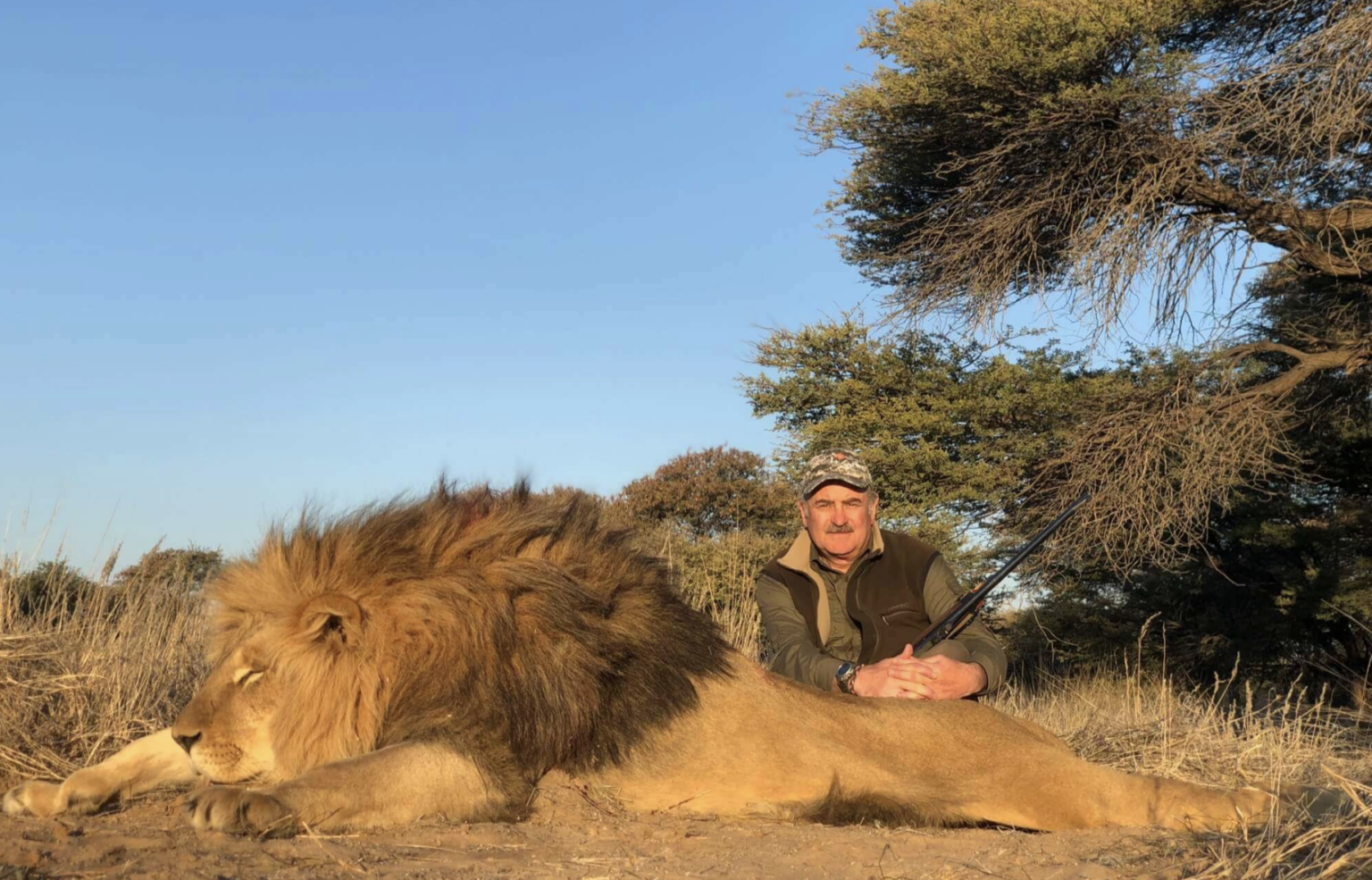
Quick Summary / Key Takeaways
- Ethical African safari hunting contributes significantly to wildlife conservation and anti-poaching efforts through direct funding and sustainable management practices, often preserving habitat for all species.
- Careful planning is paramount, requiring research into reputable outfitters, legal permits, and adhering to strict fair chase principles to ensure a responsible and impactful experience.
- The safari hunt itself is a deeply immersive experience, demanding respect for the land, wildlife, and local cultures, far beyond just the pursuit of a trophy.
- Understanding the socio-economic benefits to local communities, such as employment and infrastructure development, is crucial for appreciating the broader positive impact of regulated hunting.
- Post-hunt responsibilities include proper trophy handling, reflective journaling, and sharing your experience transparently to foster education about ethical conservation hunting.
Introduction
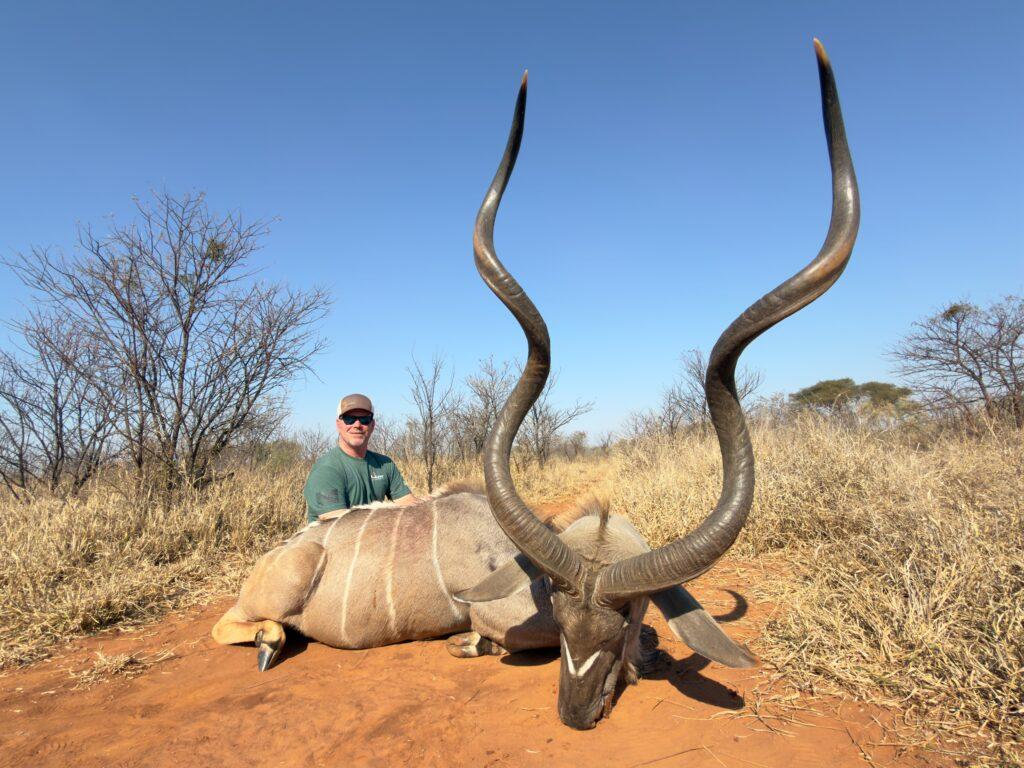
The mention of “African safari hunts” often conjures strong emotions and spirited debate. For many, it’s an image of adventure, connection to wild landscapes, and a profound challenge. For others, it’s a moral quandary.
Yet, beneath these surface reactions lies a complex reality, deeply intertwined with conservation, economics, and community well-being across vast African ecosystems. This isn’t merely about the pursuit of a trophy; it’s about a highly regulated activity that, when executed ethically and responsibly, can be a potent force for wildlife preservation. Imagine the plains of Tanzania, where hunting fees directly fund anti-poaching units, or Namibian conservancies where communities benefit from sustainable game management.
These aren’t hypothetical scenarios; they are tangible outcomes. Our journey together will navigate these intricate layers. We’ll explore what defines an ethical hunt, the meticulous planning required, and how hunters, through their investment and adherence to regulations, play a vital, if often misunderstood, role in the survival of Africa’s iconic species.
This guide aims to provide clarity, insight, and a deeper understanding of this polarizing but critical subject.
Comparison of Popular African Safari Hunt Destinations
| Destination | Primary Big Game | Typical Duration | Conservation Impact |
|---|---|---|---|
| Namibia | Plains game, Leopard | 7-14 Days | Significant revenue for communal conservancies |
| South Africa | Plains game, Dangerous game (farmed) | 5-10 Days | Supports private land conservation and breeding programs |
| Tanzania | Dangerous game, Plains game | 14-21 Days | Direct funding for vast national parks and anti-poaching |
| Zimbabwe | Dangerous game, Plains game | 10-18 Days | Revenue crucial for wildlife management areas & communities |
Ethical vs. Unethical African Safari Hunting Practices
| Practice Area | Ethical Approach | Unethical Approach | Long-term Outcome |
|---|---|---|---|
| Fair Chase | Pursuing free-ranging animals; no fences | Hunting canned lions or captive animals | Sustainable populations, respect for wildlife |
| Trophy Selection | Targeting old, non-breeding animals | Taking young, prime breeding animals | Healthy ecosystems vs. population decline |
| Community Benefit | Direct employment, infrastructure investment | Exploitation, minimal local benefit | Local support vs. resentment & poaching |
| Permit Adherence | Strictly following all local laws & quotas | Operating without proper licenses or permits | Legal integrity, wildlife protection vs. illegal trade |
Application Preparation Checklist
- Secure all required permits and licenses well in advance of your African safari hunt.
- Thoroughly research and select a reputable outfitter known for ethical practices and conservation efforts.
- Obtain comprehensive travel insurance and consult a doctor for necessary vaccinations and health precautions.
- Pack appropriate gear, including suitable clothing, optics, and photographic equipment, preparing for diverse conditions.
Post-Arrival Checklist
- Ensure proper handling, documentation, and shipment of any trophies according to international regulations.
- Reflect on your experience, considering its impact and your role in conservation discussions.
- Share your ethical safari hunt story responsibly, emphasizing conservation and fair chase principles.
- Consider supporting additional conservation initiatives or local communities post-hunt.
Table of Contents
Section 1: Understanding Safari Hunting Ethics
- What defines an ethical African safari hunt?
- How do “fair chase” principles apply to African safari hunting?
- What are common misconceptions about ethical safari hunting?
Section 2: Planning Your Safari Hunt
- What permits and licenses are required for an African safari hunt?
- How do I choose a reputable safari outfitter?
- What is the typical cost range for an African safari hunt?
- What should I pack for an African safari hunt?
Section 3: The Safari Hunting Experience
- What is the role of professional hunters on an African safari?
- How does conservation quota system work in African safari hunting?
- What types of game can be hunted on an African safari?
- What is the average duration of an African safari hunt?
Section 4: Conservation & Community Impact
- How do African safari hunts contribute to wildlife conservation?
- What economic benefits do local communities derive from safari hunting?
Section 5: After Your Hunt
- What are the procedures for trophy handling and export after a hunt?
- How can hunters advocate for ethical conservation after their safari?
Frequently Asked Questions
Section 1: Understanding Safari Hunting Ethics
FAQ 1: What defines an ethical African safari hunt?
An ethical African safari hunt adheres strictly to legal regulations, fair chase principles, and contributes demonstrably to local conservation and community development. It prioritizes the sustainable management of wildlife populations and respects the natural environment. Responsible hunters focus on older, non-breeding animals to support population health.
This approach ensures the activity benefits both wildlife and local human populations.
FAQ 2: How do “fair chase” principles apply to African safari hunting?
Fair chase principles dictate that hunted animals must have a reasonable chance of escape, prohibiting artificial advantages like hunting fenced-in animals or using unfair technological aids. This means hunting free-ranging wildlife in its natural habitat, relying on tracking skills, patience, and understanding animal behavior. It embodies a respect for the animal and the challenge of the hunt.
The goal is a challenging, sporting pursuit that honors the wildlife.
FAQ 3: What are common misconceptions about ethical safari hunting?
Many incorrectly assume all safari hunting is inherently unethical, leading to poaching or species extinction, which isn’t true for regulated hunting. Ethical safari hunting, overseen by strict quotas and scientific management, actually targets specific, often older, animals whose removal benefits herd health and habitat. It provides significant revenue that directly funds anti-poaching efforts and habitat protection, making it a conservation tool.
The regulated nature of these hunts is often overlooked.
Section 2: Planning Your Safari Hunt
FAQ 4: What permits and licenses are required for an African safari hunt?
Specific permits and licenses for an African safari hunt vary significantly by country and the species you intend to pursue. Generally, you’ll need a hunting permit issued by the host country’s wildlife authority, a valid visa, and firearm import permits if bringing your own weapon. Reputable outfitters will guide you through this complex process, ensuring all documentation is correctly filed and approved.
It is crucial to start this process many months in advance due to varying processing times.
FAQ 5: How do I choose a reputable safari outfitter?
Choosing a reputable safari outfitter involves thorough research into their operational history, conservation commitments, and client testimonials. Look for outfitters with strong ethical records, transparent pricing, and verifiable contributions to local communities and wildlife management. Ask for references from past clients and verify their compliance with all local hunting laws and fair chase principles.
A great outfitter is a partner in an ethical, successful hunt.
FAQ 6: What is the typical cost range for an African safari hunt?
The typical cost for an African safari hunt varies widely, generally ranging from $5,000 for a plains game hunt to upwards of $70,000+ for dangerous game safaris, excluding airfare and taxidermy. These costs typically cover daily rates for professional hunters, trackers, accommodation, meals, and trophy fees for animals hunted. Factors like duration, species sought, country, and outfitter reputation significantly influence the final price.
Budgeting for contingencies is also wise.
FAQ 7: What should I pack for an African safari hunt?
For an African safari hunt, pack essential gear including appropriate camouflage or dull-colored clothing (layers are key), sturdy broken-in boots, a wide-brimmed hat, and quality optics like binoculars. Don’t forget personal toiletries, any required medications, a first-aid kit, sun protection, and insect repellent. For those bringing firearms, ensure all related import documentation is easily accessible.
A good camera for capturing memories is also invaluable. Think practical and adaptable.
Section 3: The Safari Hunting Experience
FAQ 8: What is the role of professional hunters on an African safari?
Professional hunters (PHs) are highly experienced, licensed guides who ensure the safety, legality, and ethical conduct of an African safari hunt. They possess deep knowledge of local wildlife, tracking skills, and navigation, often acting as cultural interpreters. Their primary role is to locate game, assess animals for trophy quality and age, and guide the client safely through the hunting process.
A great PH is an educator, mentor, and guardian of the wilderness experience.
FAQ 9: How does conservation quota system work in African safari hunting?
The conservation quota system in African safari hunting is a scientifically determined limit on the number and type of animals that can be harvested in a specific area during a season. These quotas are set by wildlife authorities based on population surveys, habitat capacity, and species health, often targeting older, post-reproductive males to minimize impact on breeding populations. This ensures sustainable off-take, preventing over-hunting and promoting healthy wildlife ecosystems.
It’s a cornerstone of sustainable wildlife management.
FAQ 10: What types of game can be hunted on an African safari?
African safaris offer hunting opportunities for a wide range of game, broadly categorized into ‘plains game’ and ‘dangerous game’. Plains game includes species like kudu, impala, wildebeest, zebra, and warthog. Dangerous game encompasses the ‘Big Five’: lion, leopard, elephant, rhino (though highly restricted), and Cape buffalo.
The availability of specific species depends on the country, region, and quota availability. Regulations vary significantly, impacting what can be pursued legally.
FAQ 11: What is the average duration of an African safari hunt?
The average duration of an African safari hunt typically ranges from 7 to 21 days, depending on the target species, chosen country, and hunter’s budget. Plains game hunts are often shorter, usually 5-10 days, allowing for a good selection of species. Dangerous game hunts, especially for elusive animals like leopard or elephant, require a minimum of 14-21 days due to the extensive tracking and challenging conditions involved.
Planning ample time increases success rates and enjoyment.
Section 4: Conservation & Community Impact
FAQ 12: How do African safari hunts contribute to wildlife conservation?
African safari hunts contribute to wildlife conservation primarily through substantial revenue generation that directly funds anti-poaching units, habitat protection, and wildlife management programs. The economic value of hunted species incentivizes local communities and governments to protect wildlife and their habitats, rather than converting land for agriculture. This creates a tangible link between healthy wildlife populations and local prosperity, often making wildlife more valuable alive than dead to local people.
It’s a pragmatic approach to preservation.
FAQ 13: What economic benefits do local communities derive from safari hunting?
Local communities derive significant economic benefits from safari hunting through direct employment, revenue sharing, and infrastructure development. This includes jobs for trackers, camp staff, skinners, and guides, as well as income from sales of local goods and services. A portion of hunting fees often goes directly to community projects like schools, clinics, and water points, improving quality of life.
This economic empowerment fosters a sense of ownership over wildlife and its protection. It’s a powerful tool for poverty alleviation.
Section 5: After Your Hunt
FAQ 14: What are the procedures for trophy handling and export after a hunt?
After a successful hunt, trophy handling involves initial field preparation (skinning, salting) by professional staff, followed by transportation to a local taxidermist or dip-and-pack facility. Export requires CITES permits for protected species, veterinary certificates, and customs declarations from both the hunting country and your home country. This multi-step process is complex and governed by strict international laws.
Your outfitter will coordinate these steps, but understanding the timeline and documentation is crucial for smooth transit.
FAQ 15: How can hunters advocate for ethical conservation after their safari?
Hunters can advocate for ethical conservation after their safari by sharing their experiences transparently, emphasizing the financial contributions and community benefits derived from regulated hunting. Engage in informed discussions, countering misinformation with facts about sustainable wildlife management and anti-poaching efforts. Support conservation organizations, participate in hunter advocacy groups, and educate others about the complex realities of conservation funding in Africa.
Your voice can be a powerful tool for change.