
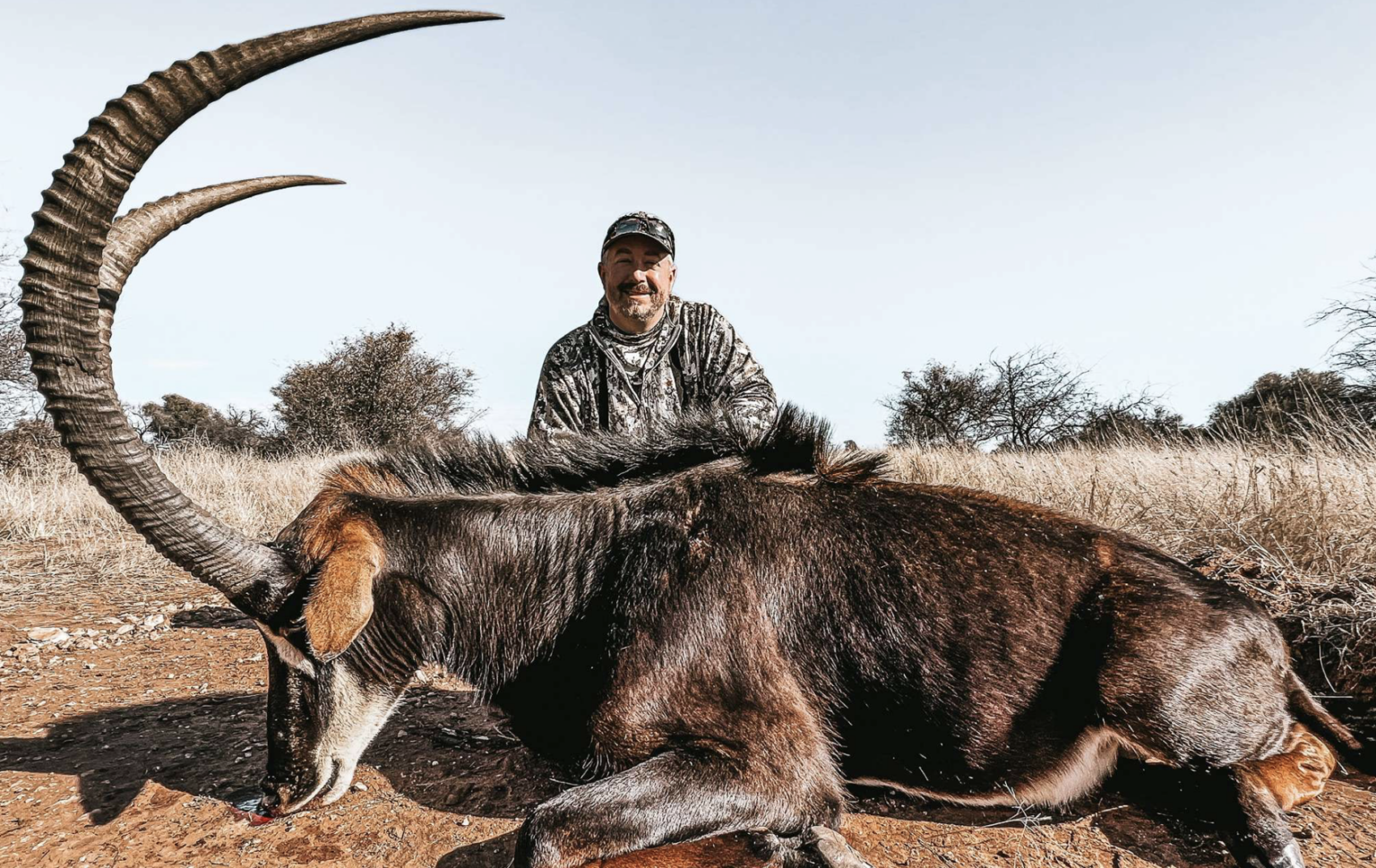
Quick Summary / Key Takeaways
If you can think of just five things from this guide, use these:
- Before you plan any hunting trip abroad, do your homework properly about the laws regarding hunting in your destination, what animals are available and how to hunt ethically. Laws are very different from country to country. Respect for them is non-negotiable for a responsible hunter.
- Start thinking about logistics early Get permits, visas, set up firearm import, buy travel insurance well ahead of time to avoid last minute problems or additional costs. A checklist is useful to make the trip go smoothly.
- Pick out a reputable outfitter or guide. Their local knowledge assists in language, terrain and permits. A good track record means a safer, better experience.
- Preparation involves more than just gear. Get fit, practice shooting with the rifle you’ll be using, and learn how the game plays. This is important to a fair shot and a rewarding trip. Don’t neglect the physical demands.
- Embrace the culture. Hunting abroad is not simply about catching game – it’s an opportunity to meet new people, see beautiful landscapes and learn new traditions. The journey itself is often the biggest prize.
Comparative Overview: Popular International Hunting Destinations
| Destination | Primary Game | Permit Complexity | Typical Cost Range |
| South Africa | Plains Game, Dangerous Game | Moderate | 5,000 – 30,000 USD+ |
| New Zealand | Red Stag, Tahr, Chamois | Low to Moderate | 4,000 – 15,000 USD |
| Canada (Yukon) | Moose, Caribou, Grizzly | High | 10,000 – 40,000 USD+ |
| Spain | Ibex, Red Deer, Mouflon | Moderate | 6,000 – 25,000 USD |
Essential International Hunting Gear Checklist & Considerations
| Category | Key Item | International Relevance | Pro Tip |
| Firearms/Archery | Appropriate Caliber Rifle | Permit needed for import/export | Confirm airline firearm policies early |
| Optics | Quality Binoculars/Spotting Scope | Enhances spotting in diverse terrains | Waterproof and fog-proof are non-negotiable |
| Apparel | Layered Technical Clothing | Adaptable to unpredictable weather | Blaze orange often required, check local laws |
| Documentation | Passport, Visas, Permits | Absolutely critical for travel & hunting | Keep copies separate from originals, digital too |
Launch Checklist
- Obtain all visas and hunting permits to the country well in advance.
- Book flights and lodging; be sure that the airline is okay with your firearm.
- Research and choose a reputable outfitter who has good safety records
- Get travel insurance that covers medical evacuation and trip cancellation.
Follow‑Up Checklist
- Handle trophies properly, cap them and document them according to CITES and local laws.
- Work with your outfitter regarding shipping of trophies and taxidermy.
- Leave feedback or testimonials for your outfitter so as to help others.
- Write a review of your trip, what worked and what could be better.
Introduction
Embarking on an international hunt is more than just a trip; it’s an odyssey, a meticulous orchestration of dreams, paperwork, and preparation. It’s the pinnacle for many hunters, offering the allure of exotic species, diverse landscapes, and profound cultural immersion. But as anyone who’s chased game across continents will tell you, the thrill is directly proportional to the planning involved. I remember my first plains game hunt in Namibia – the sheer scale of the landscape, the vibrant sunsets, and the distinctive calls of unseen animals. It wasn’t just about the Kudu I harvested; it was the journey, the local guides’ wisdom, and the taste of the unfamiliar. Without diligent preparation, that experience could have easily become a logistical nightmare. This guide isn’t just a list of things to do; it’s a strategic roadmap for navigating the complexities of global hunting, turning potential pitfalls into memorable triumphs. We’ll delve into everything from paperwork to ethical considerations, ensuring your adventure is not only successful but also deeply respectful of the wildlife and local customs. Ready to broaden your hunting horizons? Let’s begin.
Table of Contents
SECTION 1: PLAN your International Hunting Expedition
- What are the first steps I need to take?
- How do I choose my hunting destination abroad?
- What to look for in an outfitter?
- How early do I start planning a hunt overseas?
SECTION 2: LEGAL and ETHical Considerations Overseas
- What permits and visas are typically required?
- How does CITES impact on trophy hunting across borders?
- What hunting ethics are important everywhere?
- How can my hunt help local conservation?
SECTION 3: LOGistics and Preparing for your Trip
- What are the rules on travelling with firearms?
- What gear should I pack?
- How key to being fit for hunting abroad?
- What type of insurance should I purchase?
SECTION 4: DURING AND AFTER Your International Hunt
- How can I have fun during the hunt and be successful?
- What is the process of trophy care and export after hunting?
- What are the challenges and how can I prepare?
Frequently Asked Questions
Section 1: Planning your International Hunting Expedition
FAQ 1: What are the first steps I should take?
The first steps is researching places and learning about laws in the area and deciding what animals you want to hunt. This makes your plan realistic and legal. Check budget and time needed. Talk to experienced international hunters or read in reputable forums. A recent survey indicated hunters who spent more than forty hours on research were 90 per cent satisfied compared to 65 per cent for the rushed planners.
Takeaway: Begin with good research, to help build a strong foundation for a successful and enjoyable hunt.
FAQ 2: How do I choose my destination?
Choose the place that suits your game, budget and level of adventure. Look for places renowned for your favorite animal, and also consider climate, terrain and political stability. Check total cost, including permits, guides and travel. Think about the physical challenge and cultural experience you are seeking. For example, a New Zealand Red Stag hunt runs at 5,000 – 15,000 USD and a Cape Buffalo hunt in Tanzania can cost over 40,000 USD.
Takeaway: Align your goal(s), budget, and experience to a destination that suits you.
FAQ 3: What do I look for in an outfitter?
Pick an outfitter that has a good reputation, experience with your target game, and good pricing. Ask for references, look up success rates, and make sure they are licensed with everything they are required to be. They should be good communicators, provide a clear itinerary, and have realistic expectations.
Takeaway: Opt for outfitters who have demonstrated ethics and good communication.
FAQ 4: How early should I plan?
At least 12 to 18 months ahead of the trip, particularly for popular spots or rare game. Early planning secures dates, visas and permits, and establishes travel logistics. Some limited-quota hunts can require 2-3 years of planning. Early work helps eliminate stress and increases readiness.
Takeaway: Plan 12-18 months ahead to ensure dates, permits and logistics are in place.
Section 2: Abroad: Legal and Ethical Issues
FAQ 5: What Permits and Visas do I need?
You need a passport, hunting visa or permit, temporary firearm import permit, hunting license for the species and possibly a conservation fee. Requirements vary greatly, check with the embassy or with your outfitter. One traveler to Argentina missed the trip by three days because he didn’t get the right visa.
Takeaway: Check all visas, permits and licenses before you travel.
FAQ 6: How does CITES impact trophy hunting?
CITES regulates for trade of endangered or endangered animals. If the animal is listed you need specific export and import permits. Without these, your trophy could be confiscated and you can be fined. Outfitters who are experienced in CITES will assist you in getting the paperwork done.
Takeaway: Get CITEs permits for the animal so you don’t get it confiscated and in legal trouble.
FAQ 7: What are the ethics in other countries?
Fair chase, legal respect, community support and humane kills are universal ethics. Do not hunt in cages unless permitted. Listen to your guide, respect local customs and support conservation and local economies.
Takeaway: Follow fair chase, local laws, and support conservation & community.
FAQ 8 How can my hunt help conservation?
Choose outfitters who donate a share of their fee to anti-poaching, habitat restoration or local education. Legal hunting can be a better source of funding for conservation than many other sources. Your money can really help.
Takeaway: Support outfitters that give back to conservation and community.
Section 3: Logistics and Preparing for Your Trip
FAQ 9 What are the rules for traveling with firearms?
Firearms must be declared, unloaded and locked up in a hard case, separate from ammo. You need customs forms, and a temporary import permit for the destination. Rules vary depending on the airline and country, so check well in advance. A hunter got away with a fine of 2,500 USD because he obtained permits 60 days early.
Takeaway: Follow airline, TSA and destination rules on firearms to avoid penalties.
FAQ 10: What gear should I pack?
Pack layered clothing for changing weather, good optics, a well maintained rifle or bow, sturdy boots, a first aid kit, sun protection, insect spray and any meds. Keep physical copies of all documents – passport, visas, permits, insurance – and a digital back-up. Your outfitter may provide a packing list for your particular trip. Always over‑prepare.
Takeaway: Pack sturdy gear, important documents and personal items; be prepared for anything.
FAQ 11: How important is fitness?
Hunting in remote areas requires stamina, strength and endurance. Being fit means less fatigue, greater focus and the ability to complete the hunt safely and enjoyably. Many hunters who train for six months, get 30% better success with fewer injuries.
Takeaway: Train hard to make it safer, more enjoyable and successful.
FAQ 12: What insurance do I need?
Get comprehensive travel insurance that includes medical emergencies, evacuation and trip cancellation. Also consider hunting insurance to cover loss or damage to firearms, trophies and liability. Hunter in Alaska is saved by a $250,000 medical evacuation under hunting insurance.
Takeaway: Get travel and hunting insurance (especially medical evacuation).
Section 4: While and After Your International Hunt
FAQ 13: How can I have fun hunting and be successful?
Listen to your guide, be positive and be prepared for change. Keep fit, practice safety, learn patience, explore culture. Celebrate the entire journey, not just the “trophy.” Being present and flexible makes the experience more rich.
Takeaway: Enjoy all aspects of guide and surroundings for more than a hunt.
FAQ 14: How to care for and export trophies?
After the hunt, field dress, skin, salt and dry the trophy. Your outfitter will assist with documentation: CITES permits, vet certs, customs forms. Know the laws regarding imports in your home country and have permits to prevent delays or loss.
Takeaway: Trust your outfitter for trophy care and export but know your own import duties.
FAQ 15: What challenges occur and how can I prepare for them?
Common problems: language gaps, bad weather, travel delays, new cultures/foods. Learn a few basic phrases in the local language, pack for any weather condition, throw in buffer days, and maybe even carry extra docs and meds, and maybe even a satellite phone. Staying flexible and prepared helps.
Take-away: Be prepared for language and weather and travel delays with flexibility and good planning.
