
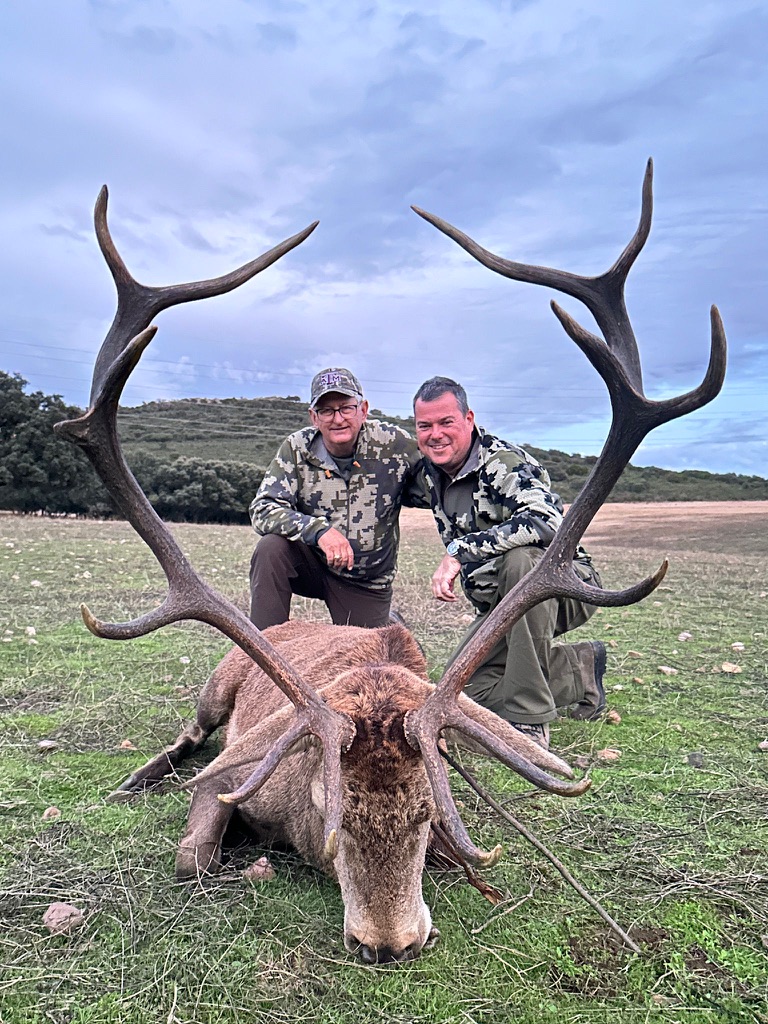
A hunting rifle sling might seem like a simple strap but in the wild, it can mean the difference between a missed shot and a perfect one. From stabilizing your aim to keeping your rifle ready during long treks through rugged terrain, the right sling adds comfort, control, and efficiency to every hunt. Whether you’re threading through thick brush or scanning a marsh for waterfowl, your gear should work with you not against you. This guide breaks down everything you need to know to choose the ideal hunting rifle sling for your style, needs, and environment.
Understanding the Different Types of Hunting Rifle Slings
Before diving into materials and features, it helps to understand the basic types of slings. Each offers different benefits based on how you hunt and carry your rifle.
Single-Point Slings
These attach at a single rear point on your rifle, allowing for maximum movement. While great for tactical scenarios and fast transitions, they’re not ideal for long treks or steady shooting. The rifle tends to swing, which can be problematic in thick cover.
Two-Point Slings
By far the most popular option for hunters, these attach to both the front and rear of your rifle. They allow for secure, balanced carrying and can double as a shooting aid. They’re stable, versatile, and ideal for most hunting conditions.
Three-Point Slings
Less common for hunting, these include an extra loop that goes around your torso. They offer excellent retention and stability but can interfere with other gear and require more adjustment.
Hybrid Slings
Some slings allow switching between single- and two-point configurations. These are great for hunters who want flexibility across different terrains or firearm styles.
Quick Tip: If you’re just starting out, a two-point sling is the best all-around choice. It’s simple, practical, and works with most rifles and hunting scenarios.
Key Features to Look For in a Hunting Rifle Sling

Once you’ve chosen the sling type, focus on the features that affect comfort, durability, and usability.
1. Comfort
Comfort is crucial when you’re carrying your rifle for hours on end. Look for padded shoulder straps, preferably made of neoprene or dense foam, to cushion your shoulder and reduce fatigue on long treks.
Slings that are at least 1.25 inches wide help distribute the weight more evenly across your shoulder, preventing sore spots and pressure build-up. Additionally, ergonomically curved designs contour better to your body, reducing chafing and improving overall fit — especially when you’re navigating steep or uneven ground.
2. Material
The material of your sling plays a big role in its performance, durability, and appearance. Leather slings offer a classic, rugged look and feel. They’re highly durable and perfect for traditional rifles, but they do require regular maintenance to stay in good condition. Nylon slings are a go-to for many modern hunters—they’re lightweight, affordable, and extremely weather-resistant, making them well-suited for wet or dusty environments. Neoprene slings strike a balance between comfort and function. With their natural stretch and shock-absorbing qualities, they help reduce strain during movement, making them a great option for high-activity hunts.
3. Adjustability
Versatility matters in the field. Slings with quick-adjust systems allow you to modify the length on the fly — great for transitioning between carrying positions or when layering up in cold weather. If you prefer simplicity and consistency, fixed-length slings can work well for setups that don’t change frequently, such as a tree stand or blind hunting scenario.
4. Durability
Hunting gear takes a beating, and your sling should be built to last. Choose slings with double or reinforced stitching to withstand the rigors of regular outdoor use. Pay attention to the attachment hardware too — metal swivels tend to outlast plastic ones, and Quick Detach (QD) systems make it fast and easy to remove or swap slings as needed.
5. Bonus Features
Modern slings often come with added features that boost both convenience and efficiency. A non-slip backing, typically made from textured rubber, helps keep the sling securely on your shoulder, even in wet or rugged conditions. Some slings include ammo loops or small pockets, giving you quick access to spare rounds, a practical touch when every second counts. Quick-release buckles are another smart addition, allowing for fast emergency access or making it easier to pack away your rifle safely and efficiently.
Whether you’re stalking whitetail through thick brush or glassing across open country, investing in a high-quality sling tailored to your hunting style can dramatically improve your comfort, control, and readiness in the field.
Matching Your Sling to Your Hunting Style
When it comes to choosing the right rifle sling, there’s no one-size-fits-all solution. The ideal sling depends on several factors, what you’re hunting, the terrain you’re navigating, the type of rifle you’re using, and even how you prefer to carry your firearm. Here’s how to match your sling to your specific hunting style for maximum comfort, efficiency, and performance in the field.
By Hunting Type
Selecting the right sling by hunting type ensures better performance and comfort in the field. For big game hunting like elk, deer, or hogs, where you’re often covering long distances, comfort and durability are key. A padded, adjustable two-point sling is ideal as it evenly distributes the rifle’s weight and reduces fatigue during long hikes. Materials like neoprene or reinforced nylon are best for handling rough terrain and unpredictable weather. When it comes to waterfowl hunting in wet, brushy, or muddy environments, mobility is essential. Opt for hybrid or quick-detach (QD) slings that allow for easy maneuvering and quick rifle access. Look for non-snag designs and weather-resistant materials to stay light and responsive.
For upland game and varmint hunting, such as pheasant, rabbit, or coyotes, speed and readiness matter most. A lightweight sling with minimal bulk won’t get in your way, while a non-slip backing ensures it stays secure as you move quickly through fields or brush. In these fast-paced scenarios, simplicity is best, so avoid overly tactical setups that could slow you down.
By Rifle Type
Choosing a sling based on your rifle type ensures both functionality and comfort in the field. Bolt-action rifles, being classic hunting firearms, pair best with a traditional two-point sling made of leather or tough nylon. This setup provides a clean, straightforward look and a secure carry without unnecessary complexity—perfect for big game hunting and long treks. On the other hand, AR-style rifles benefit from a tactical sling that features quick-detach (QD) hardware, single- or two-point convertibility, and quick-adjust capabilities. These features offer greater flexibility and enable rapid transitions between carrying and shooting, making them particularly useful for varmint or predator hunting.
By Carry Style
The way you carry your rifle can impact both comfort and accessibility, so choosing the right sling for your carry style is key. Over-the-shoulder is the most common and comfortable method; for this style, a wide, padded sling works best as it won’t dig into your shoulder and provides good stability during long carries. Cross-body (chest carry) is ideal for hands-free movement and quick access, especially in dense woods or hilly terrain—look for a sling that adjusts easily and stays snug without bouncing as you walk. For those tackling long hikes or backcountry hunts, back carry is a great option. It keeps your rifle out of the way but accessible, and works best with a tight-fitting sling made of anti-slip material to prevent sliding or shifting during movement.
Tips for Using and Maintaining Your Rifle Sling
A rifle sling is only as effective as the way it’s used and cared for. Even the most high-end sling can fail or become uncomfortable if it’s not adjusted correctly or maintained regularly. To get the most out of your sling, and ensure it lasts for many hunting seasons to come, follow these essential tips:
Practice Before the Hunt:
Don’t wait until you’re out in the field to figure out how your sling works. Spend some time practicing at home or at the shooting range. Familiarize yourself with how to adjust the length quickly, how to transition between different carry styles (shoulder, cross-body, or back carry), and how to detach it swiftly if needed. This pre-hunt prep builds muscle memory and ensures you’re not fumbling with straps when it matters most.
Use Your Sling as a Shooting Aid
A sling isn’t just for carrying — it can also help you steady your aim, especially when shooting from a standing or kneeling position. Learn how to use the “hasty sling” technique, where you wrap the sling around your support arm to create tension and stabilize your shot. With a two-point sling, this trick can significantly improve accuracy when a rest or bipod isn’t available.
Inspect Regularly for Wear and Tear
Before every hunt, give your sling a quick but thorough inspection. Check for any frayed stitching, loose buckles, or worn attachment points that could lead to failure in the field. A damaged sling not only risks your comfort but could also result in a dropped rifle or a missed opportunity. Replace or repair faulty components before heading out.
Clean and Maintain Based on Material
Different materials require different care, so to extend your sling’s life and keep it functioning properly, it’s important to clean and maintain it based on its material. Leather slings should be treated like any other piece of quality gear—apply leather conditioner periodically to prevent cracking or drying out, and store it in a cool, dry place away from direct heat or moisture, which can warp or damage the material.
Nylon slings are more low-maintenance, but still need attention. Wipe them down with a damp cloth after hunts, especially if exposed to mud, sweat, or brush, and let them air dry completely before storing. Avoid harsh chemical cleaners, as they can weaken the fabric or fade the color. Neoprene slings benefit from an occasional rinse with mild soap and water, especially after exposure to saltwater or heavy perspiration. Make sure to rinse thoroughly and hang dry to maintain elasticity and prevent odor buildup.
Need Expert Advice or Gear Tips?
Whether you’re buying your first sling or upgrading your setup for the next big hunt, reliable advice makes all the difference. Global Hunting Solutions is your trusted partner in the field, offering detailed tips, gear comparisons, and real-world insights that speak the hunter’s language. From slings to scopes, we’ve got your back.
FAQs
What is the most recommended sling for general hunting?
A padded, adjustable two-point sling is widely considered the most practical and comfortable for most hunters.
Can I use a tactical sling for traditional hunting?
Yes especially if you’re using modern-style rifles or want fast adjustment and increased mobility.
How does a sling help with shooting?
It can stabilize your aim by anchoring the rifle against your body, especially helpful for offhand shots.
What should I avoid when buying a sling?
Avoid overly thin or non-padded slings for long hunts, and steer clear of poorly stitched or low-quality materials.
Are rifle slings adjustable for different body types?
Most modern slings are highly adjustable. Always test fit while wearing your regular hunting gear.
Do I need quick-detach swivels?
Not essential, but very convenient if you switch rifles often or need to quickly remove your sling.
Final Thoughts
A well-chosen hunting rifle sling is an essential part of any hunter’s kit. It helps you carry your firearm comfortably, access it quickly, and even shoot more accurately. Whether you prefer the simplicity of a padded two-point sling or the versatility of a hybrid model, investing in the right sling can elevate your field performance.
By understanding the different types, features, and practical applications, you’ll be well-equipped to choose a rifle sling that fits your needs and enhances every hunting experience.