
Quick Summary / Key Takeaways
If you only remember 5 things from this guide, make it these:
- South Africa’s most consistent hunting window runs from May through September, aligning with the dry winter season that delivers cooler temperatures, reduced vegetation, and clearer visibility critical for ethical spot-and-stalk execution.
- Seasonal timing should be matched to target species and terrain, as animal movement, visibility, and herd behavior shift throughout the year, directly influencing hunt strategy and field efficiency.
- Well-managed hunting in South Africa functions as a conservation tool, operating under regulated quotas that support habitat preservation, wildlife monitoring, and rural economic stability when executed responsibly.
- Regional conditions vary meaningfully between areas such as Limpopo, the Eastern Cape, and arid regions like the Karoo, requiring itinerary-specific planning rather than blanket season assumptions.
- Disciplined outfitting, senior professional hunter leadership, and enforced safety protocols are baseline requirements for a controlled, ethical, and credible safari—not optional enhancements.
Introduction
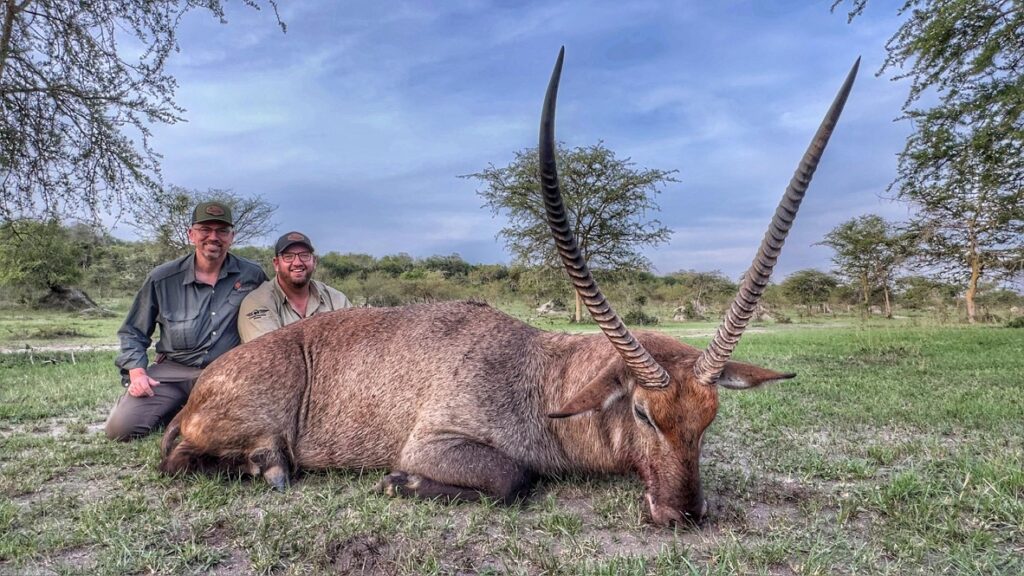
Planning a hunting safari in South Africa requires intentional timing and a disciplined understanding of regional climate, terrain, and game behavior. The quality of your hunt, whether pursuing plains game or regulated dangerous game, is shaped less by chance than by seasonal alignment, itinerary design, and controlled execution.
This guide provides field-relevant insight aligned with Global Hunting Solutions’ operating philosophy, examining how weather patterns, vegetation cycles, and species movement influence ethical decision-making and in-field execution. The focus remains practical and execution-driven, delivering actionable intelligence for serious hunters rather than generalized travel guidance.
Understanding seasonal nuance is essential to maintaining fair-chase discipline, safety margins, and conservation outcomes. South African hunting operates within quota-driven management systems designed to sustain wildlife populations, protect habitat, and support rural communities through regulated use. When timed and executed correctly, as structured within GHS itineraries, the hunt functions as a conservation-aligned operation, not a standalone pursuit.
This article equips you with the planning clarity required to align your schedule with ecological and operational reality, ensuring you enter the African bush prepared for its demands, respectful of its constraints, and positioned for a controlled, ethical, and professionally executed hunt.
South Africa Hunting Season Overview by Month
| Month | Climate | Vegetation | Visibility/Activity |
|---|---|---|---|
| May | Cool and dry | Thinning winter cover | Improving visibility with consistent plains game movement |
| June | Cool and dry | Sparse vegetation | Excellent visibility and peak execution window for plains game hunts |
| July | Coldest period, dry | Very sparse cover | Optimal visibility and predictable movement across most species, including regulated dangerous game |
| August | Gradual warming, dry | Sparse cover remains | Reliable plains game activity with sustained effectiveness for dangerous game itineraries |
Species-Specific Hunting Windows in South Africa
| Species | Optimal Months | Key Behavior | Success Factor |
|---|---|---|---|
| Kudu | June-August | Seeking water, reduced winter cover | Disciplined glassing along dry river systems, ridgelines, and broken winter cover |
| Impala | May-September | Rutting activity early season, structured herd movement | Anticipating established travel corridors and feeding patterns |
| Wildebeest | June-July | Concentrated grazing in open plains | Measured PH-led herd approaches with attention to wind and spacing |
| Buffalo | July-September | Holding near permanent water and heavy cover | Regulated dangerous-game tracking, controlled pressure, and sustained patience |
Best Season by Region: Where GHS Hunts
Global Hunting Solutions runs its South African hunts in two very different regions, and the season plays out differently in each.
| Region | Country | Key species | Best months |
|---|---|---|---|
| Northern Cape (Kimberley) | Open, semi-arid country with longer shots | Gemsbok, springbok, red hartebeest, plus a wide mix of plains game | May to September: cool, dry and clear |
| Limpopo | Thick bushveld with closer, stalk-and-glass hunting | Kudu, impala, sable, blue wildebeest, nyala, Cape buffalo | May to September, when winter thins the bush and game gathers at water |
In both regions, the South African winter (May to September) is the most popular hunting season: cooler days, thinner cover and animals moving to water. Summer (roughly November to March) brings heat and rain, especially in Limpopo, so cover is thicker and game is more spread out.
Our Northern Cape lodge is about 20 minutes from Kimberley Airport. Learn more about hunting in Limpopo or what your first South African safari looks like.
Pre-Safari Planning & Compliance Checklist
- Confirm all South African hunting permits, licenses, and species-specific authorizations are current and correctly issued for your GHS-managed itinerary, dates, and concessions.
- Coordinate international flights, firearm logistics, in-country transfers, and lodging in lockstep with Global Hunting Solutions (GHS) pre-arrival planning.
- Verify rifle, caliber, and ammunition selection are appropriate for intended species, ethical shot standards, and South African import regulations, with GHS guidance where required.
- Review medical, evacuation, travel, and equipment insurance coverage suitable for remote concessions and regulated dangerous game, where applicable.
Post-Safari Closeout & Future Planning Checklist
- Confirm trophy field preparation, dip-and-pack, and export coordination remain under GHS-supervised post-hunt procedures and approved partners.
- Reconcile all final balances and documentation with GHS and any vetted third-party service providers to formally conclude the hunt.
- Provide structured feedback to Global Hunting Solutions focused on operational execution, safety, logistics, and field conduct.
- Evaluate outcomes, species strategy, and seasonal timing to guide planning for future GHS-led South African or international hunts.
Table of Contents
SECTION 1: UNDERSTANDING THE SOUTH AFRICAN HUNTING SEASON
- What is the primary hunting season in South Africa?
- Why is winter considered the best time to hunt in South Africa?
- How do regional climates affect the hunting season?
- What are the general regulations for hunting season in South Africa?
SECTION 2: SPECIES-SPECIFIC HUNTING WINDOWS
- When is the best time to hunt plains game like Kudu or Impala?
- What is the optimal period for dangerous game such as Buffalo or Leopard?
- Do migratory patterns influence the best time to hunt certain species?
- Are there any species with year-round hunting opportunities?
SECTION 3: LOGISTICAL AND ETHICAL CONSIDERATIONS
- How does vegetation density impact hunting success during different seasons?
- What role does water availability play in animal movement and hunting strategy?
- How do ethical quotas and conservation efforts relate to the hunting season?
- What are the essential safety protocols during a South African hunting safari?
SECTION 4: PLANNING YOUR SOUTH AFRICA HUNT
- How far in advance should I book my South African hunting season safari?
- What gear adjustments are necessary for different hunting seasons?
- How do I choose a reputable outfitter for my hunt?
Frequently Asked Questions
SECTION: UNDERSTANDING THE SOUTH AFRICAN HUNTING SEASON
What is the primary hunting season in South Africa?
The primary hunting season in South Africa runs from May through August, aligning with the dry winter window Global Hunting Solutions (GHS) prioritizes for controlled, high-visibility field execution. This period delivers cooler daytime temperatures, reduced ground cover, and more predictable animal movement, creating conditions well suited to ethical spot-and-stalk execution and disciplined tracking. Reduced foliage improves glassing efficiency, while constrained water availability naturally concentrates game movement without artificial pressure, reinforcing fair-chase standards across plains game and permit-regulated dangerous game hunts. This May–August window defines the core operating season for most GHS South Africa itineraries, though specific species objectives and concession locations may extend effective hunting into adjacent months.
Takeaway: Plan GHS-led South Africa hunts around the May–August dry winter window to maximize visibility, tracking efficiency, and controlled, ethical field execution under stable seasonal conditions.
Back to Table of Contents
Why is winter considered the best time to hunt in South Africa?
Winter is considered the best time to hunt in South Africa because it creates intentionally controlled, predictable field conditions that support ethical execution rather than comfort alone. Cooler daytime temperatures reduce heat stress during extended spot-and-stalk and tracking sequences, allowing hunters and Professional Hunters to maintain focus and discipline over long hours in the field. The dry winter season naturally thins vegetation, improving sightlines and glassing efficiency without altering animal behavior through artificial pressure. Reduced insect activity further limits distraction and fatigue, supporting deliberate movement, sound shot selection, and consistent decision-making. Together, these factors define winter as the season where visibility, animal movement, and hunter endurance align most reliably with fair-chase standards and the disciplined execution model used across Global Hunting Solutions (GHS) South Africa itineraries.
Takeaway: Choose winter for a South African hunt to operate under cool, dry, high-visibility conditions that support ethical tracking, disciplined shot opportunities, and GHS-standard field control.
Back to Table of Contents
How do regional climates affect the hunting season?
Regional climates materially affect the hunting season in South Africa, shaping how Global Hunting Solutions (GHS) structures seasonal timing, daily pacing, and in-field execution across different concessions. Provinces such as Limpopo, the Eastern Cape, and KwaZulu-Natal present distinct climate patterns that influence vegetation density, animal movement, and tactical hunt planning.
Limpopo’s bushveld typically enters hotter, drier conditions earlier in the season, concentrating game near permanent water and favoring disciplined tracking in tighter cover, while the Eastern Cape’s cooler, more temperate climate supports longer glassing windows and extended spot-and-stalk execution across open terrain. These regional differences directly affect visibility, movement windows, and physical demand, requiring itinerary-driven planning rather than generalized seasonal assumptions. GHS aligns each hunt to these regional realities to maintain measured pressure, safety margins, and controlled execution.
Takeaway: Match your hunt to region-specific climate dynamics so timing, terrain, and species behavior align with disciplined, ethically executed GHS-led field operations rather than a one-size-fits-all season window.
Back to Table of Contents
What are the general regulations for hunting season in South Africa?
General regulations governing the hunting season in South Africa require disciplined adherence to province-specific wildlife ordinances, permitting frameworks, and quota-based management systems rather than a single national rule set. Each province establishes its own seasonal windows, species-specific allocations, and legally defined off-take limits, all of which must be observed precisely. Hunters must hold valid provincial hunting licenses, along with pre-issued, species-specific permits for regulated or dangerous game that are explicitly linked to approved concessions and dates.
These regulatory controls exist to enforce data-driven population management, fair-chase enforcement, and long-term conservation accountability. Global Hunting Solutions (GHS) operates exclusively with licensed outfitters, registered Professional Hunters, and approved concessions, integrating regulatory compliance directly into itinerary design and field execution, ensuring every hunt is conducted within legal parameters and ethical boundaries without burdening the client with administrative risk.
Takeaway: Hunt only within province-specific regulations and quota frameworks, and rely on GHS-integrated permitting, vetted concessions, and licensed Professional Hunters to ensure full legal compliance and conservation-aligned execution.
SECTION: SPECIES-SPECIFIC HUNTING WINDOWS
When is the best time to hunt plains game like Kudu or Impala?
The best time to hunt plains game such as Kudu or Impala in South Africa is most reliably June through August, within the dry winter window intentionally targeted by Global Hunting Solutions (GHS). During this period, limited surface water and progressively thinned winter cover concentrate game movement and improve pattern reliability, particularly for Kudu, which hold closer to permanent water and broken terrain under sustained cold-season pressure. Impala activity remains elevated through early winter following the May rut, while continued vegetation dieback through mid-winter preserves clear sightlines and disciplined stalk execution. These months align with GHS plains game itineraries engineered for controlled spot-and-stalk hunting, ethical pressure management, and consistent field outcomes, rather than opportunistic timing.
Takeaway: Focus on June–August GHS-managed plains game hunts to capitalize on winter-driven movement predictability, reduced cover, and professionally controlled execution conditions for species such as Kudu and Impala.
Back to Table of Contents
What is the optimal period for dangerous game such as Buffalo or Leopard?
The optimal period for dangerous game such as buffalo and leopard in South Africa is most consistently July through September, aligning with the late dry winter window Global Hunting Solutions (GHS) targets for disciplined dangerous game execution. During this period, buffalo holds tighter to permanent water and heavy cover, enabling deliberate, methodical tracking under cooler temperatures and reduced vegetation rather than reactive pursuit. Leopard hunts, conducted under regulated baiting protocols and professional oversight, benefit from cooler, drier conditions that preserve bait integrity, limit insect disruption, and support controlled night monitoring. Seasonal foliage reduction improves sightlines and shot verification, reinforcing ethical pressure, safety margins, and measured decision-making. This window aligns with GHS dangerous game itineraries built around patience, senior professional hunter leadership, and risk-managed execution—not speed or volume.
Takeaway: Target July–September GHS-managed dangerous game hunts to operate under dry, cool-season conditions that support disciplined tracking, ethical bait management, and controlled, safety-first execution for Buffalo and Leopard.
Back to Table of Contents
Do migratory patterns influence the best time to hunt certain species?
Yes, localized seasonal movement patterns do influence the best time to hunt certain species in South Africa, particularly plains game such as wildebeest and zebra. While these animals do not undertake long-distance migrations like those seen in East Africa, they shift range and concentration in response to grazing quality, rainfall distribution, and water availability. These movements affect where herds hold, how predictably they travel, and which concessions offer the most ethical shot opportunities at different points in the season. Global Hunting Solutions (GHS) accounts for these localized shifts when structuring plains game itineraries, aligning timing and concession selection to natural movement cycles rather than static calendar dates. This ensures hunts are conducted where animals are naturally present and moving without artificial pressure, supporting fair-chase standards and controlled execution.
Takeaway: Account for seasonal, localized movement patterns when planning hunts for species like wildebeest and zebra, and rely on GHS itinerary planning to align timing and location with natural herd behavior for ethical, effective field execution.
Back to Table of Contents
Are there any species with year-round hunting opportunities?
While the dry winter window remains the most controlled period for most hunts in South Africa, limited year-round hunting opportunities do exist for select species under strictly managed conditions, primarily on approved private conservancies operating within provincial regulatory frameworks. Species such as Warthog, Baboon, and certain non-native or management-designated species may be legally hunted outside the core winter season, depending on location, quota structure, and landowner authorization. These opportunities are management-driven rather than season-driven, and field execution standards remain consistent regardless of calendar timing.
Even where year-round access is permitted, winter conditions continue to provide measurable advantages in visibility, movement predictability, and physical efficiency, which is why Global Hunting Solutions (GHS) deliberately anchors the majority of itineraries within the dry season. Availability, legality, and ethical pressure must always be verified at the provincial and concession level, with timing aligned to responsible wildlife management objectives rather than convenience-based scheduling.
Takeaway: While select species may be legally available year-round under regulated conditions, the dry winter season remains the most consistent window for visibility, control, and ethical field execution across GHS-managed hunts.
SECTION: LOGISTICAL AND ETHICAL CONSIDERATIONS
How does vegetation density impact hunting success during different seasons?
Vegetation density directly influences field execution and hunt control by shaping visibility, movement options, and tracking efficiency across seasons. During the wet summer months, heavy foliage and rapid regrowth restrict sightlines, absorb sound, and allow animals to hold tighter in cover, reducing movement predictability and extending stalk complexity. In contrast, the dry winter period naturally thins ground cover and leaf canopy, opening consistent glassing lanes, exposing established travel routes, and improving sign clarity without altering animal behavior through artificial pressure. These conditions favor deliberate spot-and-stalk execution, reliable shot verification, and disciplined decision-making, which is why winter forms the primary operational window for Global Hunting Solutions (GHS) South Africa itineraries rather than a preference based on comfort or convenience.
Takeaway: Prioritize dry winter hunts to operate under reduced vegetation density that strengthens visibility, tracking control, and ethical field execution on GHS-managed safaris.
Back to Table of Contents
What role does water availability play in animal movement and hunting strategy?
Water availability is a primary driver of animal movement and hunt execution strategy in South Africa, particularly during the dry winter window targeted by Global Hunting Solutions (GHS). As surface water recedes, game naturally concentrates around permanent rivers, pans, and waterholes, compressing movement patterns without artificial pressure. This predictability anchors ethical hunt planning, allowing Professional Hunters to design tracking, glassing, and approach sequences around established travel corridors rather than chance encounters. For both plains game and regulated dangerous game, water-driven concentration supports methodical spot-and-stalk execution, clearer shot verification, and controlled, safety-conscious pressure aligned with fair-chase standards. These dynamics are central to why GHS structures South African itineraries around the dry season, prioritizing natural behavior, operational control, and repeatable field execution over opportunistic timing.
Takeaway: Use dry-season water concentration to align GHS-led hunts with predictable animal movement, disciplined field strategy, and ethical execution driven by natural behavior—not artificial advantage.
Back to Table of Contents
How do ethical quotas and conservation efforts relate to the hunting season?
Ethical quotas and conservation efforts are operationally inseparable from field execution within the South African hunting season, governing how, when, and where GHS hunts are structured rather than existing as abstract policy. Provincial and national wildlife authorities establish species-specific, quota-based harvest limits grounded in population surveys, habitat capacity, and seasonal conditions, ensuring off-take remains biologically sustainable and defensible. These quotas are seasonally applied to align harvest pressure with periods of lower environmental stress, predictable animal movement, and reduced reproductive risk.
When executed within the designated hunting season, regulated hunting functions as a measurable conservation tool, directing revenue into habitat management, wildlife monitoring, anti-poaching units, and community-linked conservation programs. For Global Hunting Solutions (GHS), quota compliance is embedded directly into itinerary planning and concession selection, ensuring each hunt supports long-term land stewardship through controlled execution rather than short-term extraction.
Takeaway: Ethical quotas tied to seasonal regulations ensure hunting remains science-based, conservation-aligned, and economically supportive of wildlife protection and rural communities under disciplined GHS-managed operations.
Back to Table of Contents
What are the essential safety protocols during a South African hunting safari?
Essential safety protocols during a South African hunting safari are treated as enforced operational standards rather than general guidelines, with safety discipline integrated into every phase of a GHS-led hunt. Strict compliance with the professional hunter command authority, disciplined firearm handling, and continuous situational awareness are mandatory in all field conditions. Firearms are managed under clearly defined load-and-carry procedures, with muzzles kept in safe orientation, chambers verified, and shots taken only after positive target identification and backstop confirmation.
Professional Hunters direct movement, spacing, and engagement at all times, particularly when tracking or approaching regulated dangerous game, where risk escalates rapidly without disciplined execution. Hunters are expected to maintain awareness of terrain, wind, visibility, and the position of trackers, skinners, and vehicles to prevent cross-lane exposure or unsafe angles. These protocols are non-negotiable components of ethical, risk-managed execution and are embedded into how GHS structures daily hunt flow, positioning, and decision-making in the field.
Takeaway: Prioritize safety by operating under professional hunter authority, controlled firearm protocols, and constant situational awareness—the foundation of responsible, safety-first execution on all GHS-managed South African safaris.
SECTION: PLANNING YOUR SOUTH AFRICA HUNT
How far in advance should I book my South African hunting season safari?
You should book your South African hunting season safari 12–24 months in advance, particularly when planning a GHS-managed itinerary targeting peak dry-season windows, specific concessions, regulated dangerous game, or senior Professional Hunter leadership. Prime GHS concessions and vetted PHs are secured well ahead of season, especially for July–September hunts when tracking conditions, visibility, and safety margins are most stable. Early booking allows GHS to align quota availability, permitting, firearm logistics, and concession access without compromise, while also providing adequate runway for physical conditioning and marksmanship readiness. This planning horizon reflects execution discipline rather than convenience-based scheduling and remains central to how GHS structures credible, conservation-aligned hunts.
Takeaway: Book GHS-led South African hunting safaris 12–24 months in advance to secure peak-season access, preferred Professional Hunters, regulated species quotas, and fully coordinated, ethically executed itineraries.
Back to Table of Contents
What gear adjustments are necessary for different hunting seasons?
Gear adjustments across South African hunting seasons focus on controlled temperature regulation, durability, and field efficiency rather than comfort alone. During the dry winter window targeted by Global Hunting Solutions (GHS), hunters should plan for cold pre-dawn starts and evening shutdowns with layered insulation, while maintaining lighter, breathable mid-layers for extended midday movement. Wind-resistant outer shells are critical for exposed ridgelines, open plains, and long glassing sessions, even when rainfall is minimal.
For shoulder-season hunts outside peak winter, lighter, moisture-managing fabrics become more important as daytime temperatures rise, though thermal adaptability remains essential for early starts, elevation changes, and variable pacing. Footwear is non-negotiable year-round: broken-in, supportive boots suited for rock, thorn, and uneven ground are mandatory across all GHS itineraries. Gear selection should align with terrain demands, hunt duration, and execution requirements, with GHS pre-hunt planning providing itinerary-specific guidance rather than generic packing lists.
Takeaway: Pack season-adjusted layers and terrain-appropriate footwear, prioritizing thermal control, durability, and execution efficiency—especially for cold winter mornings and extended movement on GHS-managed hunts.
Back to Table of Contents
How do I choose a reputable outfitter for my hunt?
Choose a reputable outfitter for your South African hunt by evaluating documented, region-specific operational experience, fully licensed credentials, and verifiable ethical standards rather than marketing claims. Prioritize outfitters who operate strictly within province-level regulations and quota-based wildlife management systems, work exclusively with registered Professional Hunters, and maintain clear, written pricing structures that define inclusions, exclusions, and post-hunt responsibilities without ambiguity. Request recent, hunt-specific client references and confirm the outfitter’s proven performance within the exact regions, concessions, and species categories you intend to pursue, not generalized success metrics.
A credible outfitter demonstrates professionalism through enforced safety protocols, conservation-aligned field execution, and itinerary-driven planning rather than one-size-fits-all packages. For Global Hunting Solutions (GHS), reputation is anchored in senior-led operational control, measured ethical pressure, and accountability to conservation outcomes, ensuring each hunt is structured around field discipline, legal compliance, and long-term land stewardship rather than volume or convenience. The right outfitter eliminates uncertainty by owning compliance, logistics, and execution end to end, allowing the hunter to focus solely on disciplined performance in the field.
Takeaway: Select outfitters based on proven, hunt-relevant experience, licensed and transparent operations, and demonstrated ethical discipline, ensuring your hunt is executed under professional oversight, conservation accountability, and controlled field standards.