
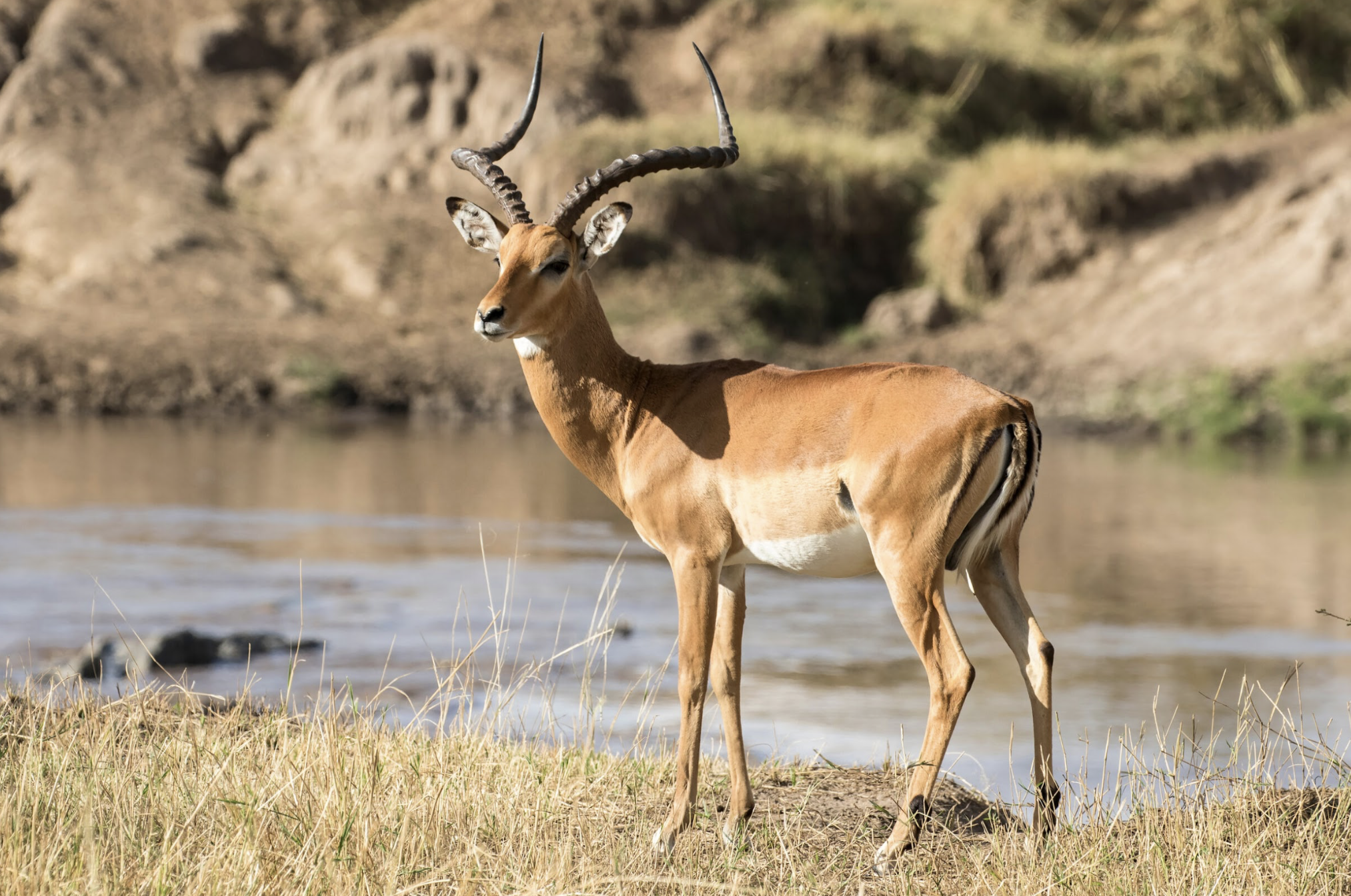
Tanzania remains one of Africa’s established destinations for truly wild, unfenced safari country on a massive scale. Roughly three-quarters of the country consists of wildlife habitat, game reserves, forests, and protected areas, creating a diverse range across its major hunting regions. For hunters researching Tanzania hunting or big game hunting in Tanzania, the appeal is simple: vast wilderness, remote hunting blocks, and access to some of Africa’s most iconic game species.
From elephant and lion to buffalo and rare plains game, a Tanzania hunting safari offers a demanding fair-chase safari experience shaped by terrain, licensing, species goals, and logistics. Whether you’re planning your first African safari or returning in pursuit of a specific species, understanding Tanzania’s hunting regions, species, and logistics is essential to building the right experience.
If you’re ready to begin planning your next safari, start by using our Contact & Booking form and speaking directly with the GHS team.
Why Tanzania Is a Premier Big-Game Hunting Destination
Tanzania has earned a reputation as one of Africa’s most respected safari destinations because it offers something few modern hunting destinations can still deliver: genuine wilderness. Many hunting areas cover large, unfenced blocks, allowing game to move naturally across wide landscapes. Hunters are not pursuing animals inside managed enclosures; they are hunting free-ranging wildlife in some of Africa’s most remote ecosystems.
The country’s hunting industry operates under the oversight of the Tanzania Wildlife Management Authority (TAWA), which manages hunting blocks, concession allocations, and wildlife quotas. Hunting opportunities are regulated through a licensing structure that generally includes 10-day, 16-day, and 21-day safari options, with species availability tied to license duration and current regulations. Hunters should always verify current TAWA requirements before booking, as regulations can change from season to season.
What defines Tanzania is the sheer scale of the experience. A typical day may involve tracking buffalo through miombo woodland, glassing open plains for lesser kudu, or following elephant signs across miles of untouched country. Distances are large, game is truly wild, and success often depends on patience, tracking skill, and local knowledge.
For experienced hunters, that is the draw. The country still delivers the kind of safari that defined Africa’s hunting heritage: long days on foot, professional tracking teams, and encounters with game in its natural environment. It is authentic fair-chase hunting in pristine wilderness.
A Tanzania hunting safari can combine dangerous game and plains game in the same trip. Depending on the hunting block, license structure, quota availability, and current regulations, hunters may pursue buffalo, lion, elephant, sable, roan, kudu, sitatunga, and numerous other species during a single safari.
The result is a hunting experience that feels expansive rather than restricted. You’re not traveling to Tanzania for one animal alone; you’re entering one of the most diverse hunting landscapes in Africa.
Major Hunting Blocks and Regions of Tanzania
One of the most important decisions when planning a hunting safari in Tanzania is selecting the right hunting region. Species distribution varies significantly across the country, and the habitat where you hunt often has as much impact on your safari as the animals you’re pursuing.
Tanzania’s hunting areas are generally concentrated across the southern, western, central, and northeastern portions of the country. Each region offers a distinct landscape, different game populations, and a unique hunting experience. Understanding these ecosystems helps hunters choose the right area for their goals and expectations.
Selous / Nyerere Ecosystem
The Selous / Nyerere ecosystem in southern Tanzania remains one of Africa’s most recognized hunting regions. While much of the historic Selous Game Reserve has been reorganized into what is now Nyerere National Park, surrounding hunting areas may continue to offer regulated safari opportunities where hunting concessions remain legally allocated.
The landscape is dominated by miombo woodland, river systems, floodplains, and dense bush country. These habitats are commonly associated with elephant, buffalo, lion, sable, and roan antelope, making the region important for hunters focused on dangerous game and classic East African safari species.
What many hunters appreciate most about this area is its sense of scale. It is possible to spend an entire day tracking game without encountering roads, settlements, or signs of modern development. For those seeking a traditional Tanzania hunting safari, few regions carry the same reputation as the Selous / Nyerere ecosystem.
Maasai Steppe
Located in northeastern Tanzania, the Maasai Steppe presents a very different hunting environment. Open plains, rolling hills, and scattered acacia country create excellent visibility and a diverse mix of species.
The area is particularly attractive to hunters interested in combining buffalo with unique East African plains game. Gerenuk, lesser kudu, and oryx are among the species commonly associated with this region, along with a variety of gazelles and other antelope.
Because of its more open terrain, hunting here often involves extensive glassing and spot-and-stalk techniques. Hunters who enjoy covering ground and evaluating animals from a distance frequently find the Maasai Steppe well suited to that style of safari.
Rungwa Game Reserve
Central Tanzania’s Rungwa ecosystem has long been recognized as one of the country’s most serious destinations for dangerous game. The region consists primarily of miombo woodland interspersed with seasonal river systems and open feeding areas.
Buffalo are one of the primary attractions, but hunters also may pursue lion, leopard, sable, and a variety of plains-game species throughout the area, depending on current quotas, concession access, and license structure. The hunting here can be physically demanding, often requiring long tracking sessions through thick cover and rugged terrain.
For hunters seeking a remote wilderness experience combined with strong dangerous-game opportunities, Rungwa is often considered one of Tanzania’s notable hunting regions.
Moyowosi / Kigosi
Western Tanzania’s Moyowosi / Kigosi ecosystem offers something few hunting destinations can match: extensive wetland and swamp habitat. These environments support species that are difficult to pursue elsewhere, including sitatunga.
The combination of swamps, seasonal floodplains, and woodland also may support buffalo and hippo populations, where current allocations and regulations allow. Hunting conditions are often challenging due to water levels, dense vegetation, and difficult footing, but the rewards can be meaningful for hunters pursuing specialized species.
This region appeals particularly to experienced safari hunters looking for species and habitats beyond the traditional plains-game experience.
Kilombero Valley
The Kilombero Valley is one of southern Tanzania’s well-known wildlife areas. Its floodplains and surrounding woodland create strong conditions for buffalo and a variety of plains-game species.
Waterbuck are especially associated with the valley’s river systems and wetland habitats, while the surrounding woodland supports numerous antelope species. The area’s mix of open country and thicker cover creates varied hunting conditions throughout a safari.
Hunters looking to combine dangerous game with strong plains-game opportunities often consider the Kilombero Valley an attractive option, subject to current concession status, quotas, and TAWA requirements.
Lake Rukwa Basin
The Lake Rukwa Basin in southwestern Tanzania is another important hunting region known for its diverse habitats and remote setting. The area includes grasslands, woodland, and wetland environments that support a broad range of game species.
As with all Tanzanian hunting areas, species availability and concession access should be confirmed before booking. Hunting opportunities can vary based on current allocations, wildlife populations, and government management decisions.
For hunters willing to travel beyond the better-known regions, Lake Rukwa offers a more remote safari experience in one of Tanzania’s less-publicized wilderness areas.
Choosing the right hunting region is the foundation of a successful safari. Once you’ve identified where you want to hunt, the next step is deciding which species you want to pursue, and Tanzania offers one of the most diverse big-game rosters in East Africa.
Big-Game Species: Elephant, Lion, and Cape Buffalo
Once you’ve selected a hunting region, the next decision is determining which species you want to pursue. Tanzania has long been regarded as one of Africa’s premier destinations for dangerous game, offering hunters access to elephant, lion, buffalo, leopard, and a wide range of plains-game species across vast wilderness concessions.
For many hunters, these iconic animals are the reason they travel to Tanzania. The country’s combination of large hunting blocks, experienced professional hunters (PHs), and free-ranging game creates opportunities built around patience, fieldcraft, and fair-chase conditions.
Elephant Hunting in Tanzania
For hunters pursuing one of Africa’s most challenging and respected dangerous-game species, elephant hunting in Tanzania remains a major draw. Elephant populations are primarily distributed throughout southern and western Tanzania, particularly in large wilderness ecosystems where extensive habitat still supports natural movement patterns.
Elephant hunting is heavily regulated through government-managed quota systems and international conservation agreements. African elephants are listed under CITES Appendix I, and U.S. hunters must comply with both Tanzanian export requirements and U.S. Fish & Wildlife Service import regulations. Import permits are evaluated individually, and approval is never guaranteed.
From a hunting perspective, elephant safaris are often defined by tracking. Professional hunters and trackers may spend hours following spoor through woodland, river corridors, and thick bush before locating a mature bull. Success frequently depends on patience, fieldcraft, and the ability to read signs over long distances.
The appeal goes far beyond the trophy itself. For many hunters, tracking elephants through Tanzania’s remote wilderness represents a serious East African safari experience built on discipline, distance, and time in the field.
Lion Hunting in Tanzania
Few species carry the history and weight associated with lion hunting in Tanzania. The country has long been recognized as one of Africa’s important lion range states, with populations distributed throughout several TAWA-managed hunting ecosystems.
Modern lion management focuses heavily on conservation and sustainability. Age-based harvest standards are designed to target mature males while protecting breeding populations. This approach helps ensure that hunting remains compatible with long-term wildlife management objectives.
Lion safaris are generally associated with longer hunting licenses and extended time in the field. Regulations should always be verified before booking, but hunters pursuing lions often spend significantly more time in camp than those focused solely on plains game or buffalo.
Like elephant trophies, lion trophies are subject to international regulations. Lions are listed under CITES Appendix II, and U.S. hunters must obtain the appropriate federal permits before importation can be considered.
From a hunting standpoint, lion safaris require patience and persistence. Days may be spent evaluating tracks, checking roads and riverbeds, and responding to fresh signs before an opportunity develops. The challenge is one reason lions continue to rank among Africa’s most respected dangerous-game species.
Cape Buffalo Hunting in Tanzania
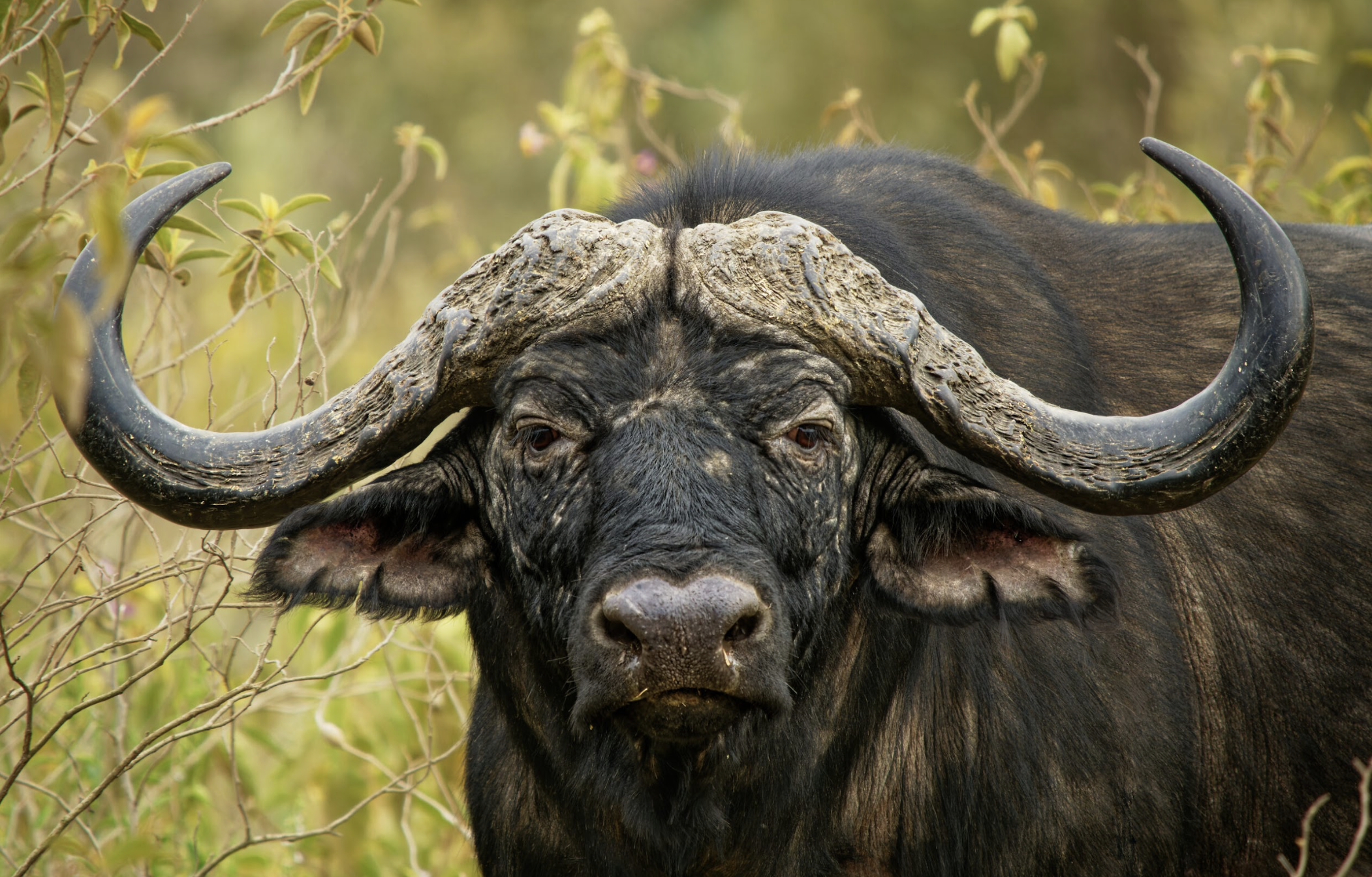
If there is one animal that defines buffalo hunting in Tanzania, it is the old dagga boy. Heavy bosses, worn horns, scarred faces, and years of experience make mature Cape buffalo one of Africa’s most respected dangerous-game animals.
Buffalo are widely distributed throughout many of Tanzania’s hunting regions, including the Selous / Nyerere ecosystem, Rungwa, Kilombero, and portions of western Tanzania, where current allocations, quotas, and license structures allow. Their broad distribution makes them a cornerstone of many dangerous-game safaris.
Unlike lion or elephant hunting, buffalo hunting often involves covering significant ground on foot while tracking herds or searching for mature bulls that have separated from larger groups. Encounters can happen quickly and at close range, particularly in thick woodland or riverine cover.
Many professional hunters consider Cape buffalo to be among the most dangerous animals in Africa because of their unpredictable behavior and willingness to stand their ground when pressured. For that reason, cape buffalo hunting in Tanzania continues to attract both first-time dangerous-game hunters and experienced safari veterans.
What makes Tanzania particularly appealing is the setting. Hunters are pursuing buffalo across large, unfenced hunting areas where animals behave naturally and often travel significant distances between feeding and watering areas. The result is a true fair-chase experience built around tracking, observation, and fieldcraft rather than convenience.
For many visitors, buffalo become the highlight of the entire safari, even when other dangerous game species are part of the hunt plan.
Plains Game Hunting in Tanzania
While dangerous game often receive the most attention, Tanzania also offers one of the most diverse plains-game rosters on the continent. In fact, many hunters leave Tanzania equally impressed by the range and variety of antelope species they encounter during a safari.
One of the advantages of a hunting safari in Tanzania is the opportunity to combine dangerous game and plains game within the same trip. Depending on the hunting area, current quota, species availability, and license structure, hunters may pursue multiple species representing very different habitats and hunting styles.
The miombo woodlands of southern and central Tanzania are particularly well known for sable and roan antelope. These striking species are among the most sought-after plains-game animals in Africa and thrive in areas that may receive relatively little hunting pressure compared to more accessible regions.
Greater kudu and lesser kudu occupy different habitats throughout Tanzania, with lesser kudu especially associated with the drier country of the Maasai Steppe and surrounding regions. Their cautious behavior and ability to disappear into thick cover make them a challenging species for even experienced hunters.
The wetlands and floodplains of western Tanzania support species such as sitatunga and puku. Sitatunga, in particular, are highly specialized antelopes that spend much of their lives in swamp environments, creating a hunting experience unlike anything found in more traditional plains-game country.
Hunters pursuing open-country species may find opportunities for gerenuk, oryx, topi, zebra, Grant’s gazelle, Thomson’s gazelle, and Coke’s hartebeest. These animals are often associated with the grasslands and savannah ecosystems of northern and northeastern Tanzania.
Tanzania’s larger antelopes also shape many plains-game plans. Eland, waterbuck, wildebeest, reedbuck, warthog, impala, and various regional subspecies can all be encountered depending on the hunting block, license structure, current quota, and ecosystem selected.
What makes Tanzania stand out is not simply the number of available species. It is the diversity of landscapes where those species are found. A hunter may glass open plains for oryx in the morning, track buffalo through woodland during the afternoon, and spend the following day pursuing waterbuck along a river system.
This variety is one reason experienced hunters often return to Tanzania multiple times. A single safari can cover serious ground, but the country’s full range takes time to understand.
As many hunters discover after their first visit, this is Africa as it was meant to be experienced: wild, expansive, and remarkably diverse.
The species you choose to pursue will also have a significant impact on your safari budget. License duration, trophy fees, charter flights, and camp logistics all influence overall trip costs, which we’ll cover in the next section.
Tanzania Hunting Packages and What Affects Pricing
One of the most common questions hunters ask when researching a safari is how much a trip will cost. The reality is that Tanzania hunting safari prices vary considerably because every hunt is built around different species, hunting areas, license requirements, and logistical needs.
Unlike many destinations where hunters drive directly to camp, Tanzania often requires additional travel into remote wilderness concessions. Those logistics are part of what makes the experience unique, but they also influence overall safari costs.
License Duration
One of the biggest factors affecting Tanzania hunting packages is the length of the safari itself. Tanzania’s hunting system is structured around license durations that generally include 10-day, 16-day, and 21-day options, subject to current regulations.
Longer safaris provide access to additional species and more time in the field. Dangerous-game hunts involving species such as lions often require extended safari durations, while some buffalo and plains-game combinations may be completed on shorter licenses.
Simply put, more days in camp mean more staff support, additional field time, and greater operational costs.
Species Pursued and Trophy Fees
The species included in your safari significantly impact pricing. Every hunt is built around government-regulated trophy fees that vary by animal and are separate from many of the day-to-day operating costs of the safari.
A plains-game-focused hunt typically entails different costs than a dangerous-game safari targeting buffalo, lions, or elephants. Adding species during the planning process can affect both licensing requirements and overall trophy fees.
For this reason, one hunter’s safari may look very different from another’s, even when both are hunting in the same region.
Hunting Block Location
Location matters in Tanzania.
Many of the country’s remote hunting areas are located hundreds of miles from major cities such as Arusha or Dar es Salaam. Reaching these remote concessions often requires charter flights, specialized ground transportation, or a combination of both.
Some hunting blocks are relatively straightforward to access, while others require additional travel days and logistical support. These transportation requirements are a major factor in hunting in Tanzania prices and should be considered during the planning process.
Camp Accommodations and Safari Style
Not every safari camp offers the same level of comfort.
Some camps are designed around traditional canvas safari accommodations, while others provide luxury amenities, private chalets, professional staff, full dining services, and modern conveniences despite being located deep in the bush.
The size of the camp operation, staffing levels, and accommodation standards all influence overall safari costs. Hunters should consider both their budget and the type of experience they want when evaluating different safari options.
Dangerous-Game and Government Fees
Dangerous-game hunting requires additional management, staffing, and regulatory oversight. These factors can contribute to higher operating costs than a safari focused exclusively on plains game.
Government concession fees, conservation fees, licensing costs, and wildlife-management expenses are also built into the overall structure of Tanzania’s hunting industry. These fees help support the management of hunting areas and wildlife resources throughout the country.
Rather than focusing solely on price, hunters should evaluate what is included in a safari package and whether the hunt aligns with their goals, target species, and expectations.
If you’re interested in current availability, species options, or customized safari planning, start through Contact & Booking or call Travis Wier directly at 214-707-5833 for current package information.
Tanzania Hunting Season and Planning Logistics
A successful safari begins long before you arrive in camp. Understanding travel requirements, firearm regulations, and trophy-export procedures helps ensure that your hunt starts smoothly and that export documentation is handled correctly after the hunt.
For hunters traveling from the United States, preparation is one of the most important parts of the entire process.
When Is the Tanzania Hunting Season?
Tanzania’s hunting season generally runs from July 1 through December 31, subject to current regulations issued by the Tanzania Wildlife Management Authority (TAWA).
Many hunters prefer the later months of the season when vegetation is thinner and animals are more concentrated around available water sources. Conditions vary by region, but September through November are often considered particularly productive periods for dangerous-game hunting.
Weather, habitat conditions, and target species should all be considered when selecting safari dates.
Arriving in Tanzania
Most international hunters arrive through either Arusha or Dar es Salaam, depending on their hunting destination and travel itinerary.
After clearing customs and immigration, hunters typically transfer to a charter aircraft or arrange ground transportation that takes them directly to their hunting concession. Because many hunting areas are located in remote wilderness regions, charter flights are often the most efficient option.
Travel times can vary considerably depending on the hunting block selected.
Firearm Import Requirements
Hunters bringing firearms into Tanzania must comply with current import regulations and submit the required documentation before arrival.
Requirements generally include firearm details, serial numbers, passport information, and supporting travel documents. Current regulations may allow hunters to import up to three rifles and a limited quantity of ammunition, although all requirements should be verified before travel.
For dangerous-game hunting, regulations generally require a minimum caliber of .375. Many hunters choose larger calibers for buffalo, lion, or elephant hunting, but caliber selection ultimately depends on personal preference, PH guidance, and the species being pursued.
Health and Travel Considerations
A valid tourist visa is required for most visitors entering Tanzania.
Hunters should also discuss malaria prevention with their physician before travel, particularly when hunting in lower-elevation areas where mosquito activity may be greater. Travel insurance and medical evacuation coverage are also commonly recommended for hunters visiting remote regions.
While safari camps are typically well-equipped and professionally managed, preparation remains an important part of any African hunting trip.
Trophy Export and Import Procedures
After the hunt, trophies are professionally skinned, salted, and prepared in camp before being transferred to a licensed taxidermist or export agent.
The export process includes the permits and documentation required by Tanzanian authorities, along with any applicable CITES paperwork for regulated species. Once preparation is complete, trophies are shipped to the hunter’s chosen taxidermist or import destination.
Hunters pursuing species such as elephant or lion should remember that U.S. import approval requires additional federal permitting. Those permits are reviewed individually, and approval is never guaranteed.
Tipping and Safari Culture
Tipping is a longstanding part of safari culture throughout Africa.
Professional hunters, trackers, skinners, camp staff, cooks, and drivers all contribute to the success of the safari experience. While tipping practices vary between camps and outfitters, hunters should discuss expectations before arriving in camp so they can budget appropriately.
Understanding these logistical details before departure helps eliminate surprises and allows hunters to focus on what matters most once the safari begins: time in the field.
Just as important as planning the hunt itself is understanding how hunting contributes to wildlife management in Tanzania. In the next section, we’ll look at the conservation framework that supports regulated hunting throughout the country and why ethical hunting remains an important part of Tanzania’s wildlife strategy.
Conservation and Ethical Hunting Framework
Modern hunting in Tanzania operates within a conservation system designed to balance wildlife management, habitat protection, and local community benefits. While the country’s wildlife resources are among the most significant in Africa, maintaining those resources requires ongoing investment, monitoring, and anti-poaching efforts.
The Tanzania Wildlife Management Authority (TAWA) oversees hunting quotas, concession allocations, and wildlife management across designated hunting areas. Quotas are established through government wildlife-management programs and are intended to support sustainable use while protecting long-term population health.
For hunters researching trophy hunting in Tanzania, understanding this framework is important. Regulated hunting generates revenue through concession fees, license fees, conservation charges, and associated safari expenditures. Those funds contribute to wildlife management activities, anti-poaching initiatives, and employment opportunities in rural communities that coexist with wildlife.
Equally important is the fair-chase philosophy that defines Tanzania’s hunting tradition. Hunting is conducted under regulated field requirements intended to preserve the integrity of the experience and protect wildlife resources.
Standard fair-chase principles generally include:
- No shooting from vehicles
- Daylight hunting only
- No pursuing animals with vehicles
- Respect for quota allocations
- Protection of immature animals and breeding females, where regulations apply
- Compliance with applicable CITES documentation for regulated species
These regulations help ensure that hunting remains focused on mature, legally harvested animals within established management objectives.
For many experienced hunters, this commitment to ethical hunting is one of Tanzania’s greatest strengths. The emphasis remains on tracking, fieldcraft, patience, and respect for the animal rather than convenience or guaranteed outcomes.
Ethical hunting plays a critical role in wildlife conservation in Tanzania. When conducted within a regulated management framework, hunting contributes to the protection of wildlife habitat and creates economic incentives that help keep large landscapes dedicated to conservation.
The result is what many hunters seek when they travel to East Africa: Authentic fair-chase hunting in pristine wilderness.
Why Choose Global Hunting Solutions
Planning a Tanzania safari involves far more than selecting a species and booking dates. Hunting blocks, licensing requirements, firearm permits, charter flights, trophy-export procedures, and camp logistics all require careful coordination.
That’s where Global Hunting Solutions keeps the process direct.
Global Hunting Solutions is an owner-led outfitter. Travis Wier and Adam Barnard are directly involved throughout the planning process and lead each expedition from planning through the safari itself.
Through a partnership with 4 Aces Safari Outfitters Africa, hunters gain access to approximately 1.5 million acres of hunting concessions across African hunting destinations. Rather than working through multiple intermediaries, clients communicate directly with the people responsible for organizing and overseeing the hunt.
No booking agents. No middlemen.
For hunters investing significant time and resources into an African safari, direct communication matters. Questions about species availability, travel logistics, firearm documentation, camp accommodations, and trophy handling can be addressed by experienced professionals who understand the realities of hunting in Africa.
Hunt with the owners is more than a marketing slogan. It reflects a hands-on approach that prioritizes communication, transparency, and personal involvement throughout the safari experience.
Global Hunting Solutions also assists clients with:
- Firearm import documentation
- International travel coordination
- Charter flight planning
- Camp logistics
- Trophy-export guidance
- Pre-safari preparation
The goal is straightforward: remove unnecessary complications so hunters can focus on preparing for the hunt itself.
At the same time, comfort is never overlooked. Through carefully selected camps and experienced local partners, hunters enjoy the level of service expected from a premium safari while remaining immersed in genuine wilderness hunting environments.
Where Luxury Meets Adventure is not about excess; it’s about creating a comfortable and professionally managed safari experience without losing the authenticity that makes Africa special.
Availability is limited, and concession access can vary from season to season. If you’re considering a Tanzania safari, the best approach is to start the conversation early and discuss your goals with the team.
Start through Contact & Booking or call Travis Wier directly at 214-707-5833 to learn more about current opportunities and availability.
Frequently Asked Questions About Tanzania Hunting
When is the Tanzania hunting season open?
Tanzania’s hunting season generally runs from July 1 through December 31, subject to current regulations issued by the Tanzania Wildlife Management Authority (TAWA). Many hunters prefer the later months of the season when vegetation is thinner, and game is concentrated around available water sources. Always confirm current TAWA season dates, license requirements, and species availability before booking your Tanzania hunting safari.
What species require a 21-day license to hunt in Tanzania?
Lion hunting in Tanzania is typically conducted on a 21-day license, and some dangerous-game combinations may also require longer safari durations depending on the species pursued, license structure, quota availability, and current regulations. License structures are established by TAWA and can change, so hunters should verify current requirements before booking a hunting safari in Tanzania.
Do U.S. hunters need a special permit to import elephant or lion trophies from Tanzania?
Yes. U.S. hunters pursuing elephant hunting in Tanzania or lion hunting in Tanzania must comply with both Tanzanian export requirements and U.S. import regulations. Elephant trophies require additional permits due to their CITES Appendix I status, while lion imports are also subject to federal review under CITES and applicable U.S. wildlife regulations.
USFWS may require ESA-related import authorization, including an enhancement-of-survival finding or permit, depending on the species and current rules. Permit approval is never guaranteed, and current USFWS requirements should be confirmed before booking or finalizing any hunt plan.
What is the minimum caliber for dangerous game hunting in Tanzania?
Tanzania hunting regulations are generally understood to require a minimum caliber of .375 for dangerous game species such as buffalo, lion, and elephant, subject to current TAWA rules. Hunters are also limited in the number of firearms and ammunition they can import, with regulations typically allowing up to three rifles and 100 rounds per rifle, though firearm import rules should be verified before departure. Requirements should always be confirmed before travel with GHS, the operating outfitter, and relevant Tanzanian authorities.
How do I get my trophies back to the United States from Tanzania?
After your hunt, trophies are professionally skinned, salted, prepared, and documented in camp before being transferred to a licensed taxidermist or shipping agent. That export team coordinates export permits, CITES documentation where required, and shipment to the United States. For species such as elephant and lion, U.S. import permits may be required before trophies can be legally imported, and approval should never be assumed before current USFWS requirements are confirmed and the final hunt plan is approved.
Does Global Hunting Solutions handle firearm import paperwork for Tanzania hunts?
Yes. Global Hunting Solutions provides full-service support for firearm import documentation, travel logistics, and pre-hunt preparation. Travis Wier and the team help hunters navigate permit requirements, serial number documentation, and arrival procedures, so the process is clearly managed before departing for Tanzania. Because firearm import rules can change, hunters should confirm current documentation requirements with GHS, the operating outfitter, and relevant Tanzanian authorities before travel.
Start Planning Your Tanzania Hunting Safari
A successful Tanzania hunting safari starts long before you arrive in camp. Understanding the hunting regions, target species, licensing requirements, and travel logistics helps ensure you choose the right area and the right hunt for your goals. Whether you’re planning a Cape buffalo hunt in the Selous / Nyerere ecosystem, pursuing plains game in the Maasai Steppe, or exploring one of Tanzania’s remote wilderness concessions, preparation makes the hunt more focused from the first day in the field.
Global Hunting Solutions works with carefully selected hunting areas across Africa and provides hands-on guidance throughout the planning process. If you’re considering a hunting trip to Tanzania and want straightforward answers about species availability, logistics, or current package options, start through Contact & Booking or calling Travis Wier directly at 214-707-5833. You’ll work with an owner-led team that understands the terrain, the current licensing requirements, and the realities of building a serious Tanzania safari. No booking agents. No middlemen.